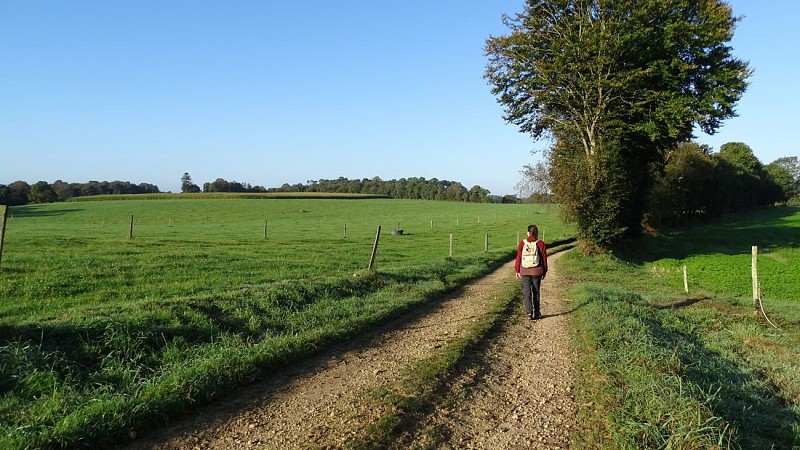
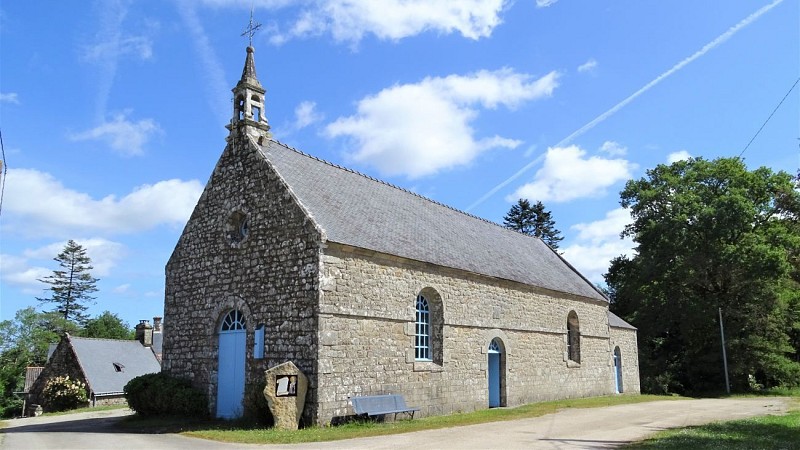
Three hundred metres on the right is the village of Lann Justice. A curious name, that reveals how justice was dispensed under the Ancien Régime. In Bubry, the entire parish was under the rule and jurisdiction of the high justice of Pontkalleg en Berné, a demesne founded in 1281 by Duke Jean 1st of Brittany. In 1779, the Marquis de Pontkallec declared to the King “the parish of Bubry in which the said Lord and Marquis is likewise universal lord, superior and founder” with the right to establish a gallows.
He also had the right to have “his coat of arms embossed in or on the windows of the parish church”, the right to customs in the said village of Bubry, and the right to tax commercial transactions. As the owner of the land on 18 tenant farms, he received annual rents in the form of money, grain, poultry and labour, as well as rents on numerous lands and properties in the town and villages. These revenues were collected by the lord of Brulay de Bubry, its provost.
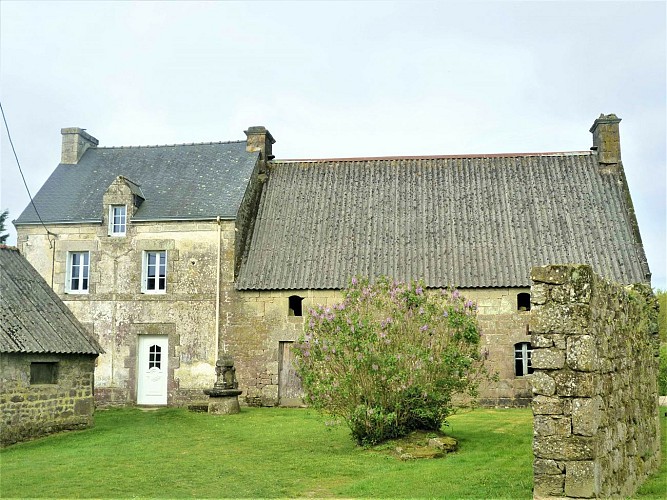
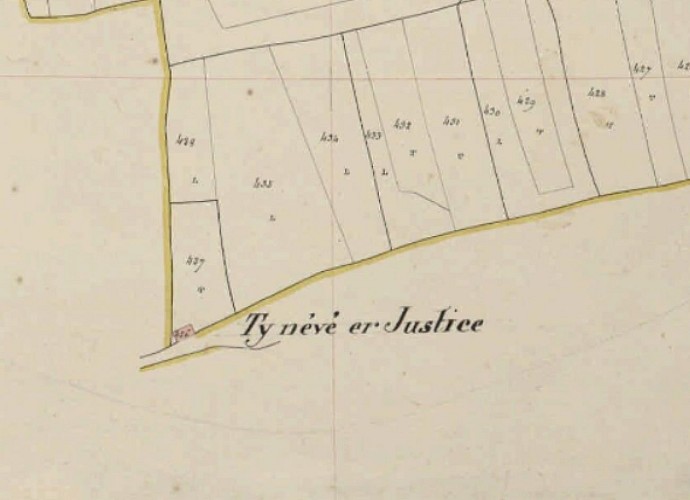
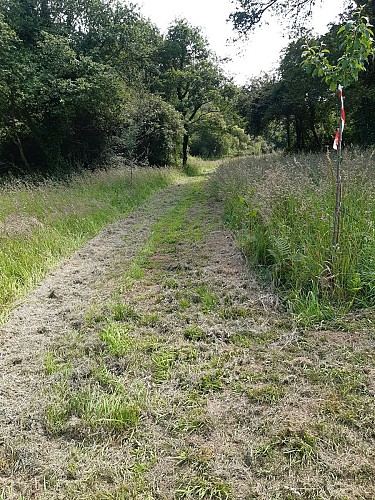
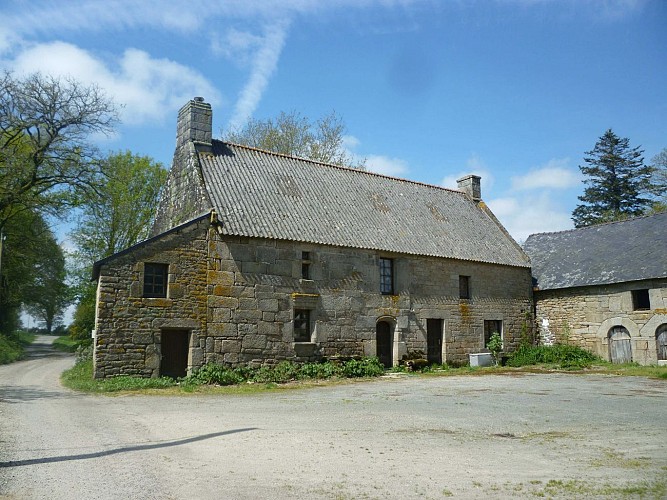
In 1842, the Napoleonic land registry shows a house called Ty Névé ar Justice, the new house of justice, at a place called Lann Justice. Was this where the provost carried out his duties? It's hard to say, but it is certain that the Marquis de Pontkalleg never erected a gallows in Bubry, even though he had the right to do so. As in the case of Plouay, where high justice was once exercised, in the 18th century it fell under the jurisdiction of the royal seat and seneschaussée of Hennebont. No gallows appear in this area on the late 18th century Cassini map. However, it might have existed in the Middle Ages, when Bubry depended on the Duke of Brittany, as attested by the presence of the Duke's Mill.Elsewhere in Brittany, where these “Lann Justice” were associated with gallows, they were always located near major traffic arteries to set an example, as is the case here.