Alert
Alerts
NAPOLEON trail in Wallonia / June 1815

IGN cards








Description
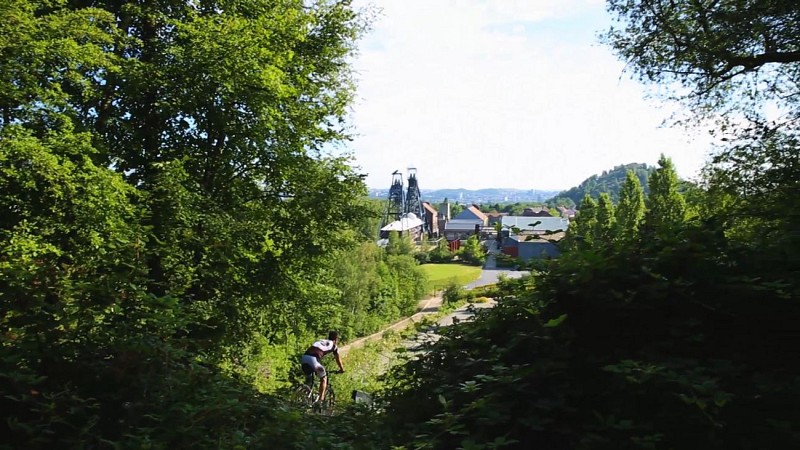
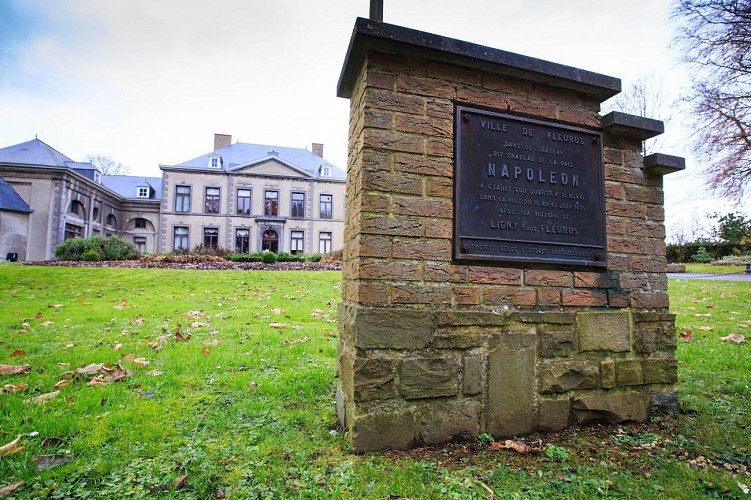
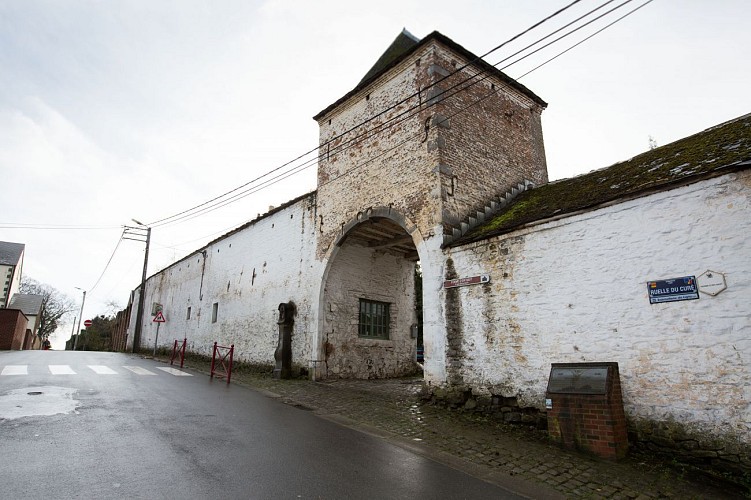
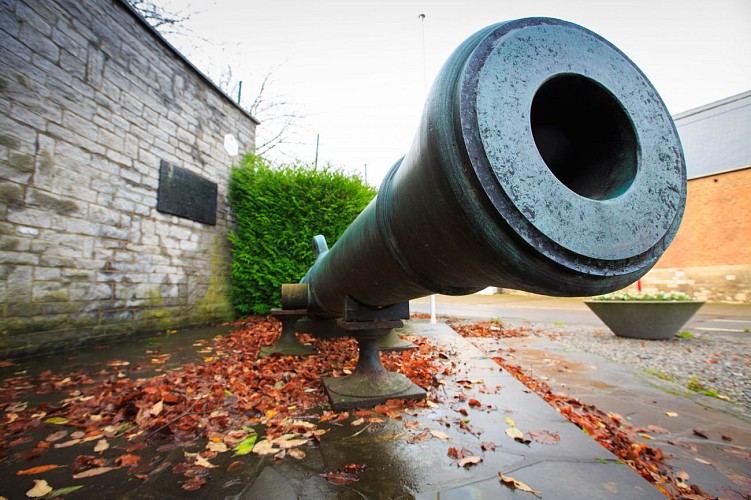
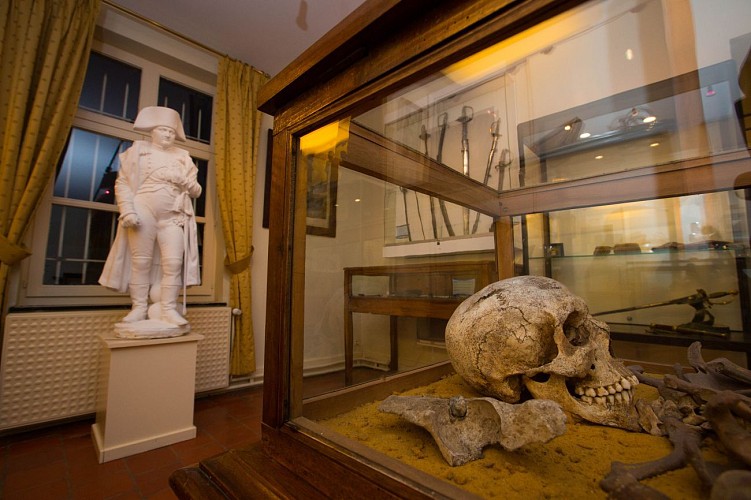
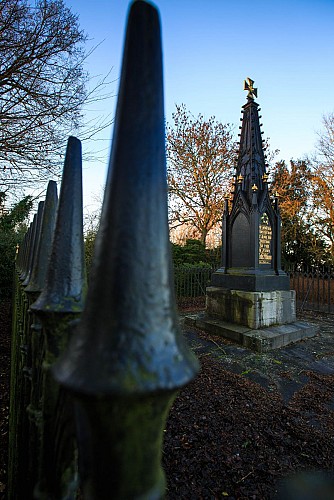
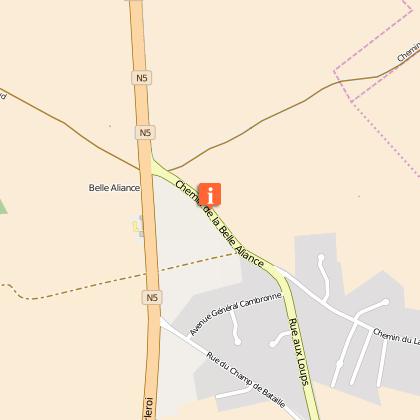
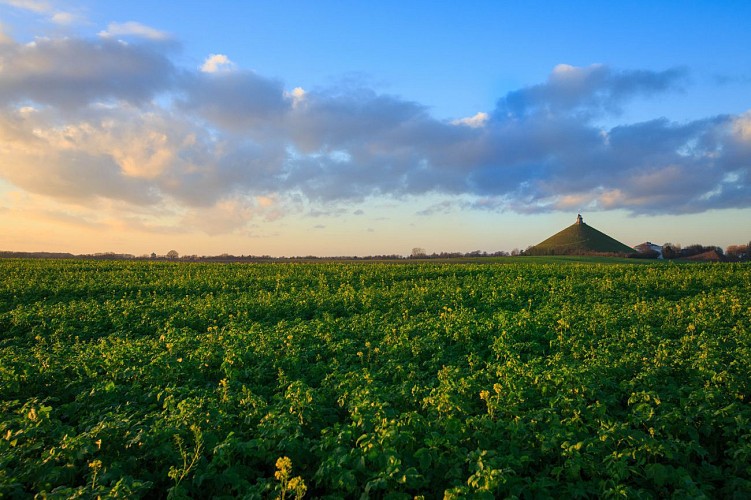
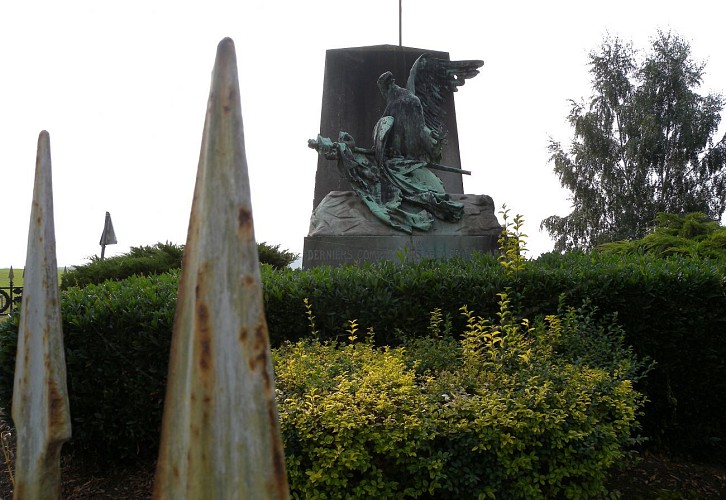
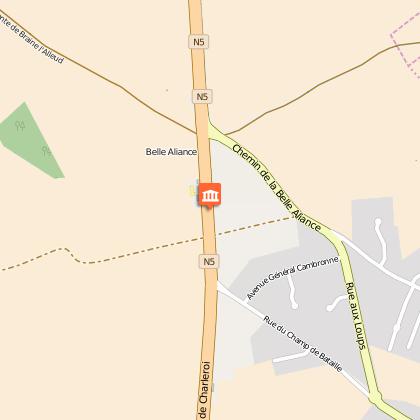
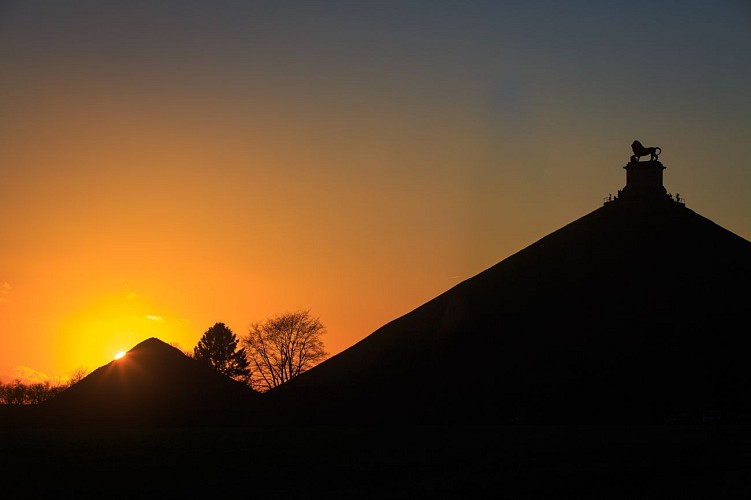
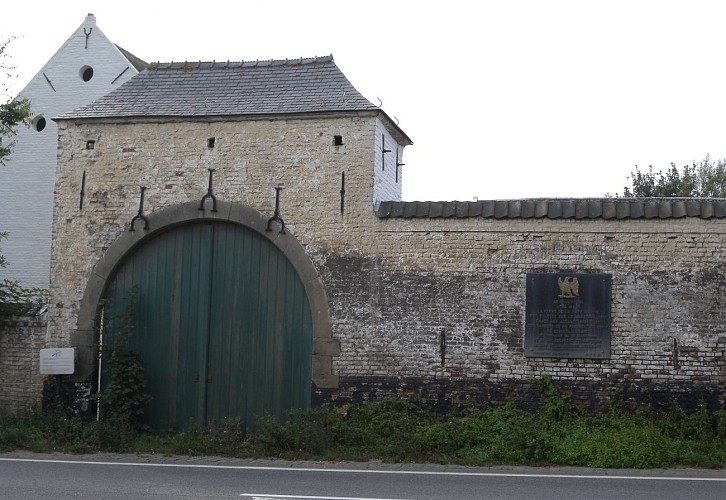
Let your imagination reproduce the decor and the events of the final days of the Waterloo Campaign in June 1815, from Hestrud (France) to Waterloo. The geo-reference points of this 118 kilometre marked trail alternate between historical content and tourist information.
The historical points of interest were identified by Philippe Raxhon (ULG - FNRS) and Corentin De Favereau (UCL). The historical texts were written by Fabien De Reymaeker (Hainaut Culture Tourisme) and validated by Philippe Raxhon.
Technical Information
Altimetric profile
Starting point
Steps
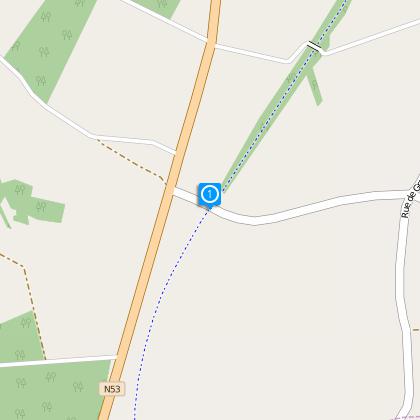
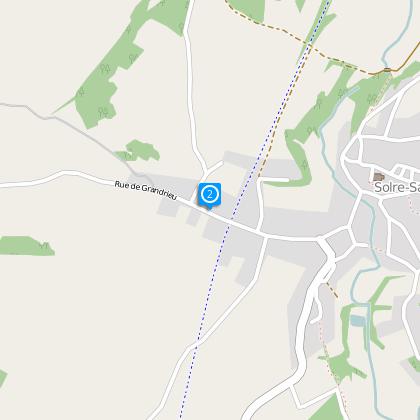
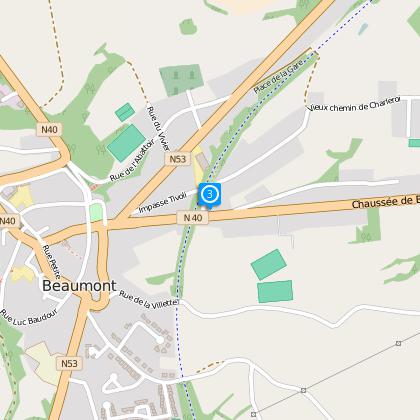
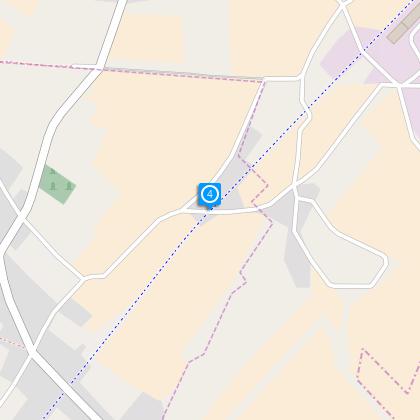
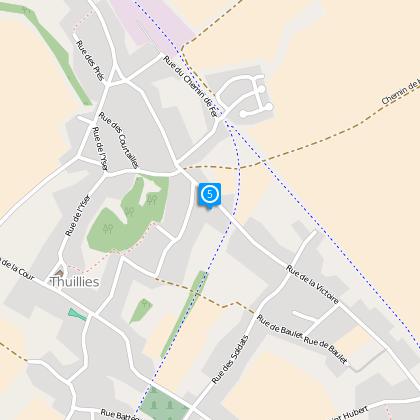
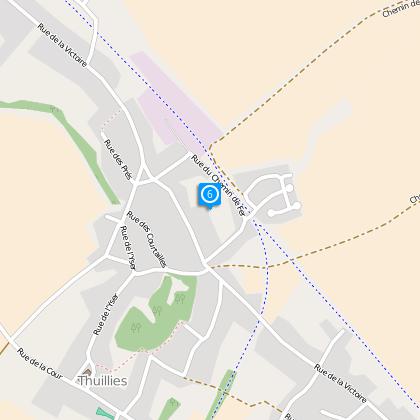
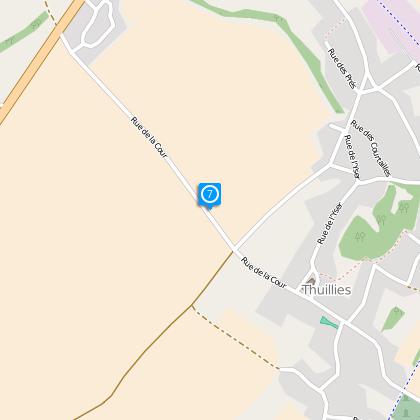
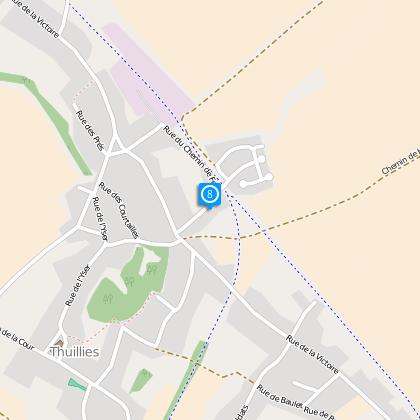
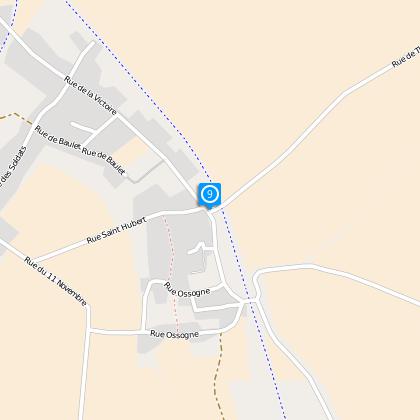
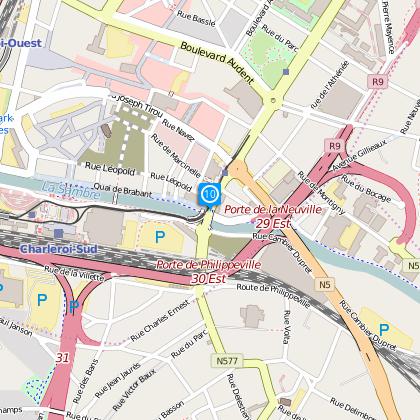
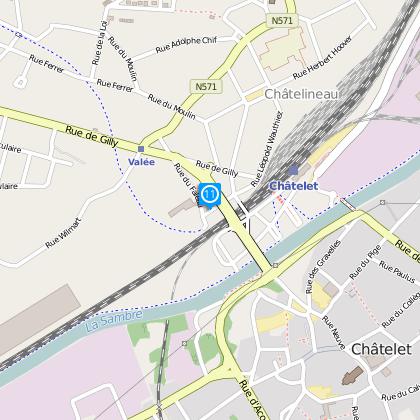

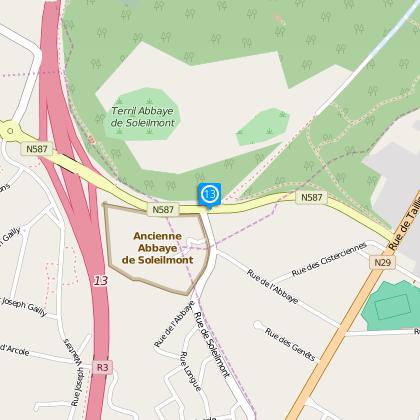
Points of interest

Data author

The Cirkwi brief
Immerse yourself in a blend of history and scenic beauty as you pedal through the Napoleon Route in Wallonia, meticulously brought to life by Genart. This 118 km biking adventure from Hestrud to Waterloo, envisioned by the minds at Hainaut Culture Tourisme, takes you back to the pivotal days of June 1815, through the final chapters of the Campaign in Belgium. As you navigate this historical journey, let your imagination recreate the battles and the tranquility that now marks these lands, offering a unique juxtaposition of past and present, curated with both the history buff and the avid cyclist in mind.
Key Route Specifications Unveiled
The Napoleon Route spans 118.2 kilometers, starting from Hestrud and ending at the iconic site of Waterloo. Designed with cyclists in mind, this route provides an engaging mix of historical intrigue and physical challenge, suitable for VTC bikes. Riders should prepare for a journey that, while lacking in significant elevation changes, offers a substantial distance to cover, recommending a steady pace and suitable preparation for the endeavor ahead.
Seasonal Travel Tips and Safety
For an optimal experience, spring and early fall are ideal for avoiding peak summer heat and the chill of winter. During these seasons, paths are less crowded and the weather is more conducive to cycling. Ensure your bike is well-maintained, carry water and snacks, and familiarize yourself with the route beforehand. Reflective gear and helmets are a must for safety, and always respect local traffic laws and the environment along your journey.
Historical Essence of the Region
Hestrud, in the Hainaut region, marks the beginning of a route steeped in history. The area played a pivotal role during the final days of Napoleon's Campaign of Belgium in June 1815. This region, rich in cultural and historical significance, provides an evocative backdrop for the route, offering insights into Europe's tumultuous past while showcasing the serene beauty and resilience of its landscapes and communities.
Climate Insights for Cyclists
The region experiences a temperate climate, marked by mild summers and cool winters. Best times to visit are late spring (May to June) and early autumn (September to October), when you are likely to encounter pleasant weather, with average temperatures conducive to cycling. Always check the forecast before you embark on your journey, as weather can be unpredictable.