Tours
Activities
Places of interest
Where to eat
Where to sleep

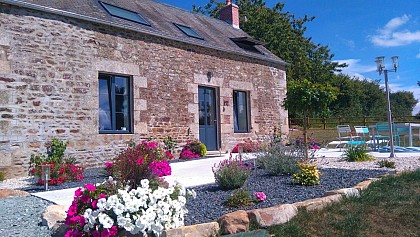
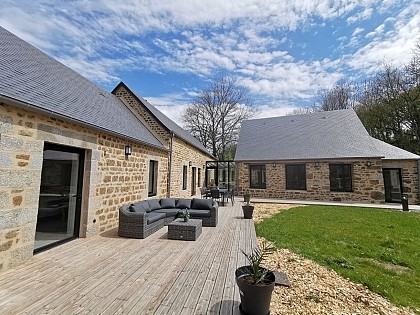
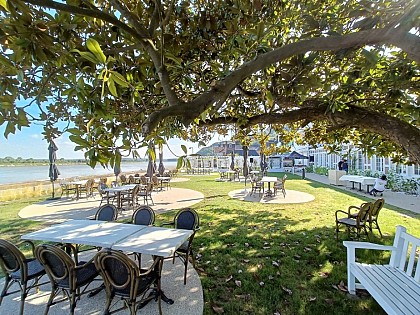
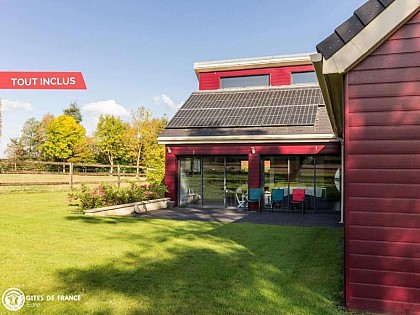
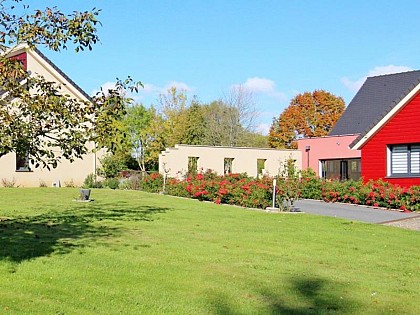
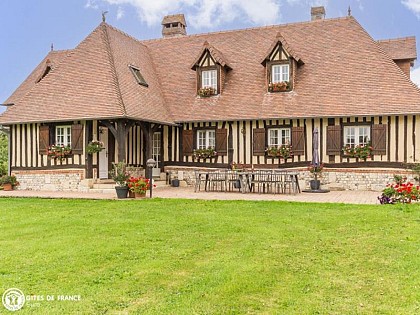
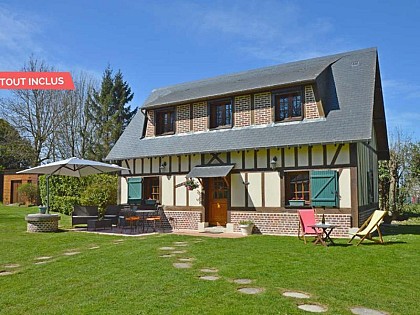
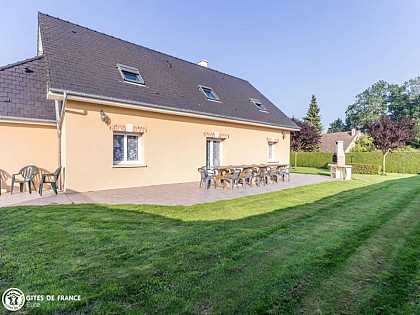
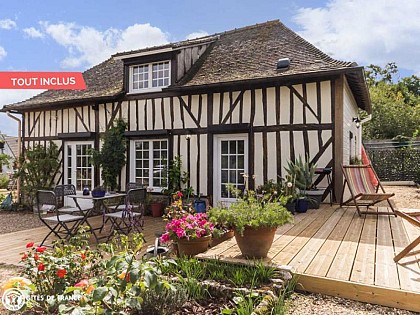
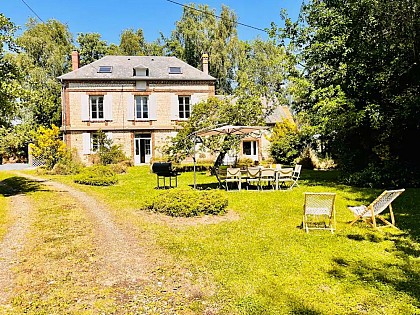
Les Marronniers de Ste Opportune: Explore Nature and Heritage

Are you the owner?
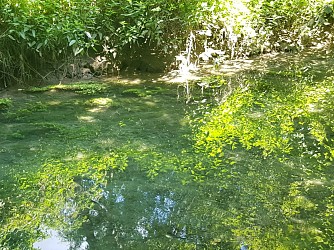
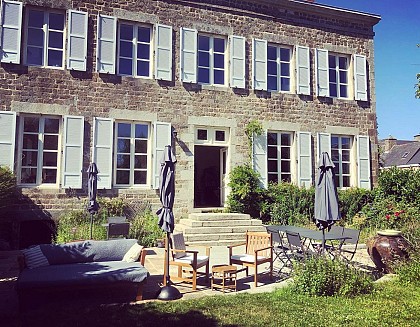
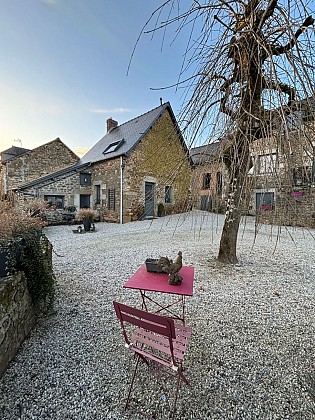
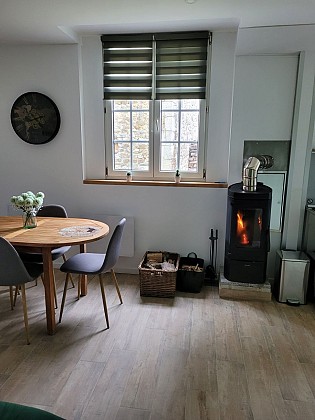
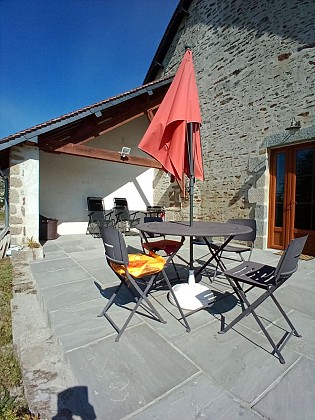
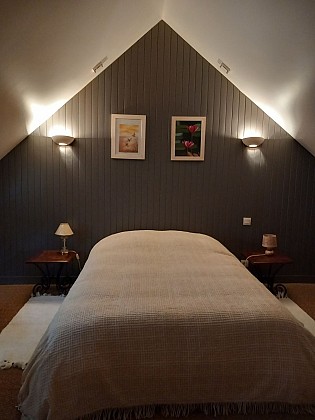
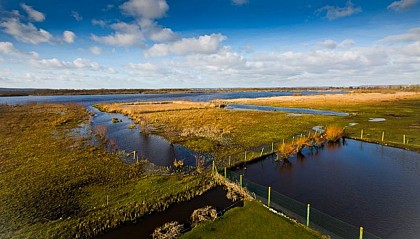
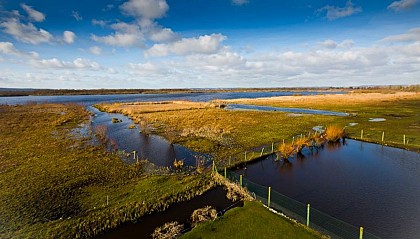
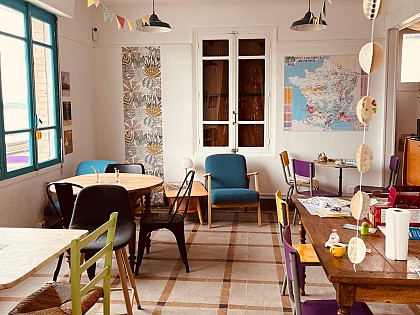
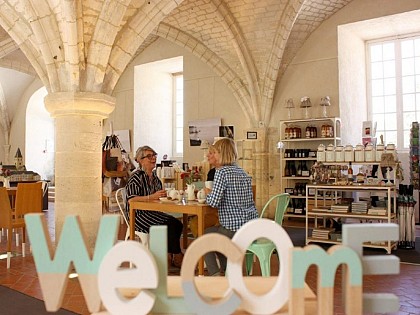
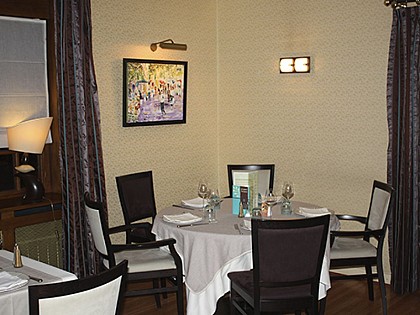
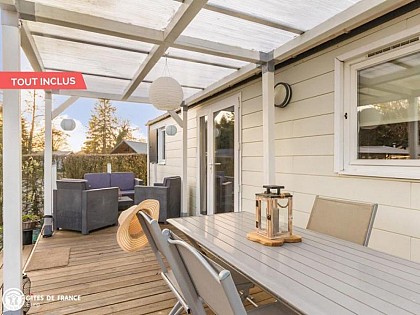
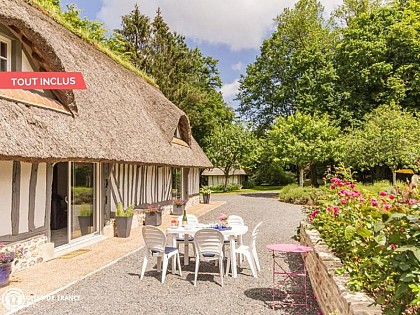
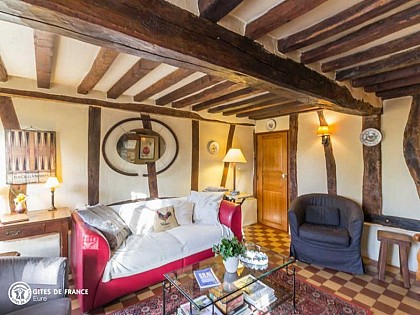
Welcome to Les Marronniers de Ste Opportune, your perfect start point to discover the wonders of Sainte-Opportune-la-Mare in the Eure department, Haute-Normandie. This charming village will captivate you with its lush nature and bucolic landscapes, inviting you to relax and escape. You can explore the magnificent Vernier Marsh Natural Reserve, renowned for its exceptional biodiversity and scenic h...See more

What to do in LES MARRONNIERS DE STE OPPORTUNE

See more suggestions
Activities for all tastes await you in LES MARRONNIERS DE STE OPPORTUNE, book them today.
See more suggestions

What to visit in LES MARRONNIERS DE STE OPPORTUNE

See more suggestions
Attend shows and concerts in LES MARRONNIERS DE STE OPPORTUNE.
See more suggestions
Église Saint-Pierre de Bébec
13 km

Église Saint-Pierre de Bébec

In the Seine valley, on the heights of Villequier, the church of Saint-Pierre de Bébec is the perfect example of a country church that can be discovered on a Sunday walk. This local heritage, which is the charm of our villages and contains many treasures, has been labeled "Rural Heritage" by the Department of Seine-Maritime in 2021. It was during a walk with my friend Rachel that we discovered the Saint-Pierre de Bébec church, indicated by signs from Villequier. The charm of the place conquered us immediately. Only the birdsong kept us company in the middle of all this greenery, it was magical. We learned on an information panel that the Saint-Pierre de Bébec church is a former parish of the deanery of Saint-Georges, attached to Villequier since September 3, 1823. We begin our visit quietly by the exterior to appreciate the bucolic setting of this timeless place. A very small cemetery adjoins the body of the church, and we are seduced by the large lawns on which the stone building seems to stand. The surrounding shrubs are pruned in topiary and the smell of freshly mown grass awakens memories. Rachel invites me to come and see the graves of the Protestant denominations, which are oriented in the opposite direction to the Catholic ones. I see curious graffiti on the outside of the church: a gallows, a ladder, ships? No doubt in thanksgiving to Saint Peter, the patron saint of sailors? Indeed, the Seine is very close. We walk around the chevet and exit the cemetery to enter the church. The tranquility and the spirituality of the place instantly give us an unsuspected well-being. A beautiful light highlights the pointed arch choir and then descends on the painted wooden altar. We look up at the vault of the nave. The polychrome wooden statues from the 17th century that inhabit the place are remarkable. We also discover Greek crosses painted on the walls, a life-size crib in the only chapel. So many details that challenge us, question us and delight us in their progressive discovery. We have not seen the time pass and we must leave. Rachel tells me that it would be too stupid to go back like that. "And why not visit the Victor Hugo Museum on the banks of the Seine in Villequier? "Excellent idea, it's been years since I've been there and I've heard about a flower carpet in the garden. Spectacular it seems!" says Rachel.

Show
Vitrail commémoratif
13 km

Vitrail commémoratif

Passionate about the events of the 1st World War, I was delighted to learn of the existence of this stained-glass window when the Seine-Maritime department announced its list of "Rural Heritage" sites. Let's go and discover it! As I drive through the pretty, flower-filled village of Saint-Jean-de-Folleville, I head for the church and park in the Mairie parking lot. This is a former presbytery, beautifully constructed in white sandstone and brick. The landscaping is most pleasing, with perfectly trimmed boxwood topiaries. My nostrils perk up as I pass the fragrant rosebushes. An excellent start to the visit! As I tread the ancient cobblestones, I spot the "rural heritage label" totem at the entrance to the cemetery. It tells the story of the stained-glass memorial window, with explanations and photos that only increase my desire to discover it. Pushing open a black gate, I walk along the wall of the church, surrounded by the graves of the follevillais. Next to the church porch is a calvary, with the war memorial topped by a war cross not far away. I push open the church door and discover a place that shimmers in the light of the colored stained-glass windows. In front of me is the altar, with pews arranged on either side of the nave. On my right, close to the confessional, I can see the stained-glass memorial window depicting twenty-five soldiers who fell in battle or died of wounds sustained in the First World War. The military portraits are based on photographic archives of the poilus, except for one whose name is Isidore and whose photo has not been found. I was amazed and moved by the depictions of these lost soldiers, whose gazes will stay with us forever. They are so real, ready to come to life. Each has his first and last name, as well as the place and date of the moment when life stopped for him. Their representation moves me. Some are dressed in combat gear, as if ready to go to the front. Others look at us wearing their caps or kepis, depending on their rank or corps. I remember leafing through family photo albums with my grandmother, in which I could see my ancestors proudly wearing their military uniforms. There are definitely a lot of emotions running through me. Combining patriotism and religion, a soldier is depicted in agony in the center of the work, in the arms of a nurse, the latter showing him Christ on the cross. The link between religious and patriotic sacrifice is symbolically highlighted in the center of the stained-glass window. A lectern with a book of remembrance is available to visitors, with personal letters from the poilus in the stained-glass window and archival documents. I find myself reading some of them. With their beautiful handwriting, it's as if the lost soldiers come to life again through their thoughts. I close the door of the church softly, full of emotion, with the tragic memories of our French history fresh in my mind. As I drive back to my car, I become aware of the need for remembrance, and tell myself that we are fortunate to have at our disposal so many memorial sites from the 1st and 2nd World Wars, which left their mark on our Normandy region.

Show

Where to eat in LES MARRONNIERS DE STE OPPORTUNE

See more suggestions
Experience LES MARRONNIERS DE STE OPPORTUNE's gastronomy.
See more suggestions

Where to sleep in LES MARRONNIERS DE STE OPPORTUNE

See more suggestions
Stay at one of the many hotels in LES MARRONNIERS DE STE OPPORTUNE.
See more suggestions
Caution!
We have no information on the difficulty of this circuit. You may encounter some surprises along the way. Before you go, please feel free to inquire more and take all necessary precautions. Have a good trip! 🌳🥾