Alert
Alerts
Type of practice
Racing biking
Easy
Electric bicycle
Easy
Cycling
Easy
Mountainbiking
Easy
Presentation
Map
Points of interest
Cirkwi brief's
Ratings and reviews
See around
biking tour Flandre Côte d'Opale
The Cirkwi brief
Experience the Unique Maritime Flanders Bike Tour
Embark on an unparalleled journey designed by Xavier Lesaege that showcases the stunning natural beauty and urban landscapes of Maritime Flanders. Setting off from the quaint starting point of Impasse du Père Lachaise in Bray-Dunes, this itinerary is a celebration of the untamed North Sea coast. With its inviting white sandy beaches, distinctive urban settings, and vibrant port atmospheres, this cycling adventure promises a blend of exhilarating exploration and serene nature encounters. Get ready to discover hidden gems along the coastline that are waiting to amaze you with their extraordinary biodiversity and unique dune landscapes sculpted by the winds.
Brief Technical Itinerary Overview
This meticulously crafted cycling route spans approximately 41.2 kilometers, with elevations ranging from -1 to 10 meters above sea level. Cyclists will experience a modest net elevation gain of 26 meters, navigating through the lowest and highest points of the journey. The inclusion of the dynamic dune landscapes alongside the technicalities such as the total distance and elevation changes, demands a nominal level of fitness from participants. This ride, mapped out by Xavier Lesaege, is not just a test of endurance but an invitation to immerse in the cycling dynamics of the region.
Seasonal Tips for Cyclists
Regardless of the season, it’s vital to come prepared for the Maritime Flanders cycling route. In summer, bring sunscreen and plenty of water to stay hydrated under the sun. Spring and autumn, with their milder temperatures, are ideal for those seeking a serene biking experience, though rain gear is recommended for unexpected showers. Winter demands the most caution - ensure your bike is equipped with lights and reflectors due to shorter daylight hours, and dress in warm, windproof clothing. Safety is paramount; always check your equipment before setting off.
Unearthing Maritime Flanders' Heritage
Maritime Flanders, with Bray-Dunes at its heart, is a region steeped in history and cultural significance. This area, bordering Belgium, serves as a living museum, narrating stories of wars, trade, and seaside escapism. The cycling itinerary not only offers a physical journey but also a passage through time. As riders pedal through this terrain, they are reminded of the strategic importance of the coast during the world wars and the evolution of its urban and natural landscapes. This region, a blend of French and Flemish influences, continues to enchant visitors with its rich tapestry of history and culture.
Understanding the Local Climate for Planning
The maritime climate of Flanders is characterized by moderate temperatures and variable weather patterns year-round. Expect mild winters and cool summers, with a predilection for rain regardless of the season. Given these conditions, the optimal time for embarking on this cycling tour would be late spring or early autumn when the weather is generally more stable, and the landscapes are at their most vibrant. Be sure to check the forecast before your trip and prepare for the possibility of brisk winds and sudden weather changes, typical of coastal regions.
Embark on an unparalleled journey designed by Xavier Lesaege that showcases the stunning natural beauty and urban landscapes of Maritime Flanders. Setting off from the quaint starting point of Impasse du Père Lachaise in Bray-Dunes, this itinerary is a celebration of the untamed North Sea coast. With its inviting white sandy beaches, distinctive urban settings, and vibrant port atmospheres, this cycling adventure promises a blend of exhilarating exploration and serene nature encounters. Get ready to discover hidden gems along the coastline that are waiting to amaze you with their extraordinary biodiversity and unique dune landscapes sculpted by the winds.
Brief Technical Itinerary Overview
This meticulously crafted cycling route spans approximately 41.2 kilometers, with elevations ranging from -1 to 10 meters above sea level. Cyclists will experience a modest net elevation gain of 26 meters, navigating through the lowest and highest points of the journey. The inclusion of the dynamic dune landscapes alongside the technicalities such as the total distance and elevation changes, demands a nominal level of fitness from participants. This ride, mapped out by Xavier Lesaege, is not just a test of endurance but an invitation to immerse in the cycling dynamics of the region.
Seasonal Tips for Cyclists
Regardless of the season, it’s vital to come prepared for the Maritime Flanders cycling route. In summer, bring sunscreen and plenty of water to stay hydrated under the sun. Spring and autumn, with their milder temperatures, are ideal for those seeking a serene biking experience, though rain gear is recommended for unexpected showers. Winter demands the most caution - ensure your bike is equipped with lights and reflectors due to shorter daylight hours, and dress in warm, windproof clothing. Safety is paramount; always check your equipment before setting off.
Unearthing Maritime Flanders' Heritage
Maritime Flanders, with Bray-Dunes at its heart, is a region steeped in history and cultural significance. This area, bordering Belgium, serves as a living museum, narrating stories of wars, trade, and seaside escapism. The cycling itinerary not only offers a physical journey but also a passage through time. As riders pedal through this terrain, they are reminded of the strategic importance of the coast during the world wars and the evolution of its urban and natural landscapes. This region, a blend of French and Flemish influences, continues to enchant visitors with its rich tapestry of history and culture.
Understanding the Local Climate for Planning
The maritime climate of Flanders is characterized by moderate temperatures and variable weather patterns year-round. Expect mild winters and cool summers, with a predilection for rain regardless of the season. Given these conditions, the optimal time for embarking on this cycling tour would be late spring or early autumn when the weather is generally more stable, and the landscapes are at their most vibrant. Be sure to check the forecast before your trip and prepare for the possibility of brisk winds and sudden weather changes, typical of coastal regions.
Automatically generated.
Technical Information
Racing biking
Difficulty
Easy
Dist.
41 km
Type of practice
Racing biking
Easy
Electric bicycle
Easy
Cycling
Easy
Mountainbiking
Easy
Show more
Altimetric profile
Starting point
1
Impasse du Père Lachaise
,
59123
Bray-Dunes
Lat : 51.07114Lng : 2.52764
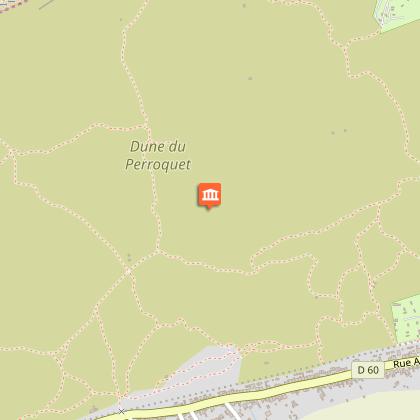
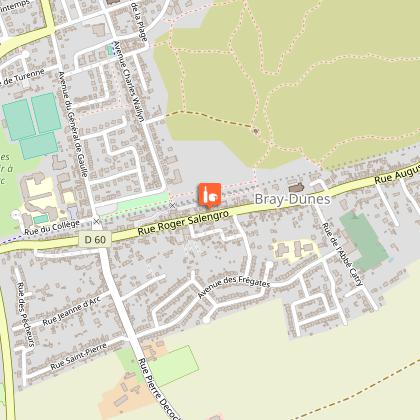
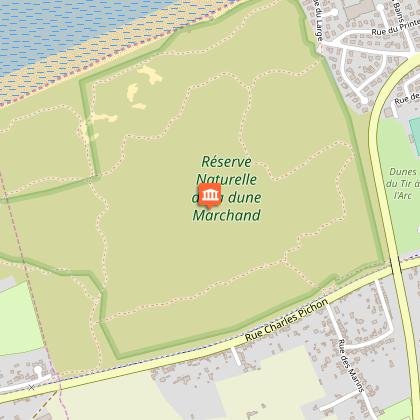
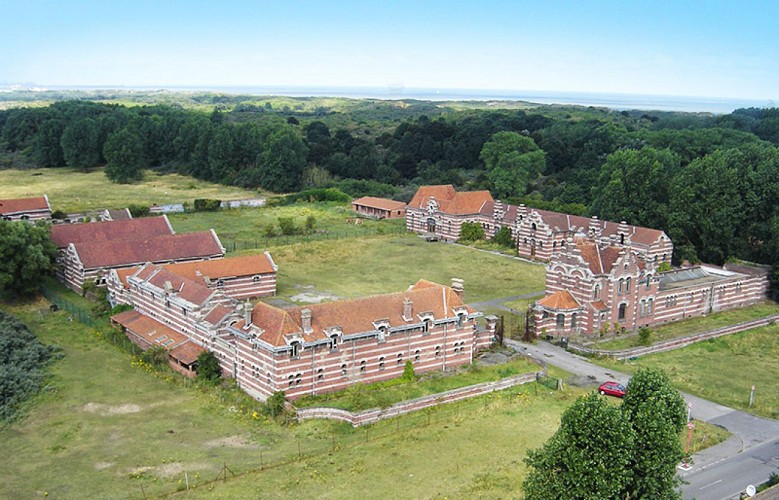
Points of interest
Data author

proposed by
xavier lesaege
France
Ratings and reviews
To see around