Tours
Activities
Places of interest
Where to eat
Where to sleep

Unveil the gems of Houyet, Namur, Namur

Are you in charge of the destination?
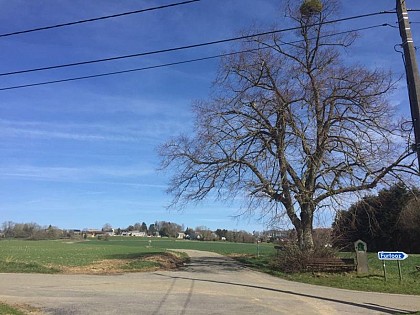
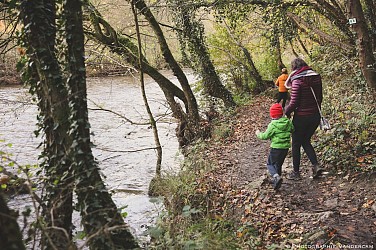
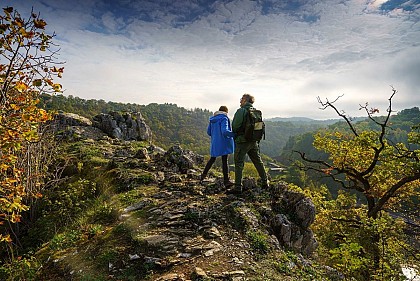
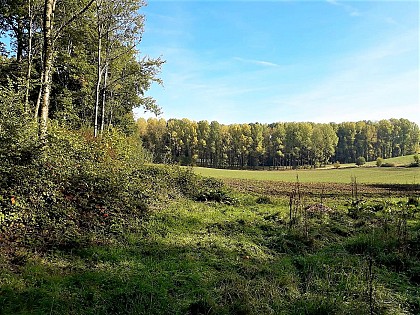
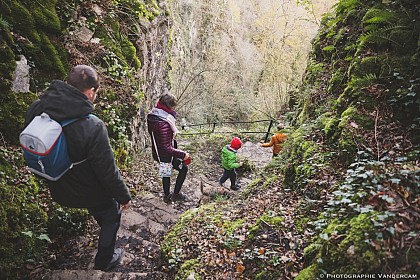
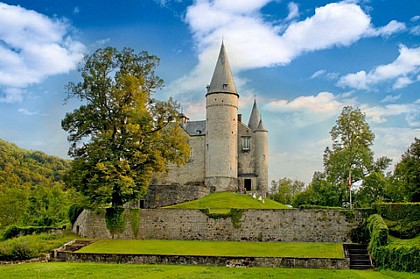
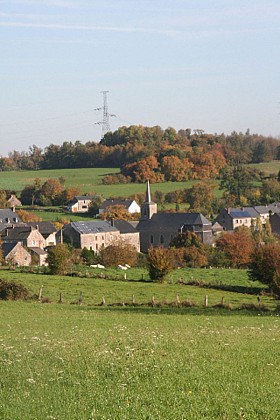
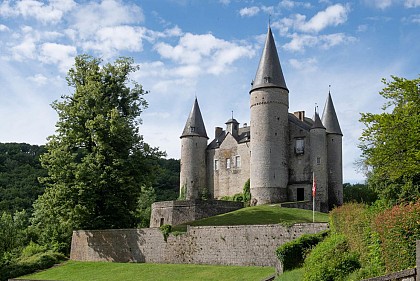
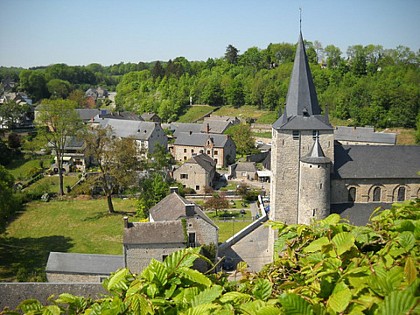
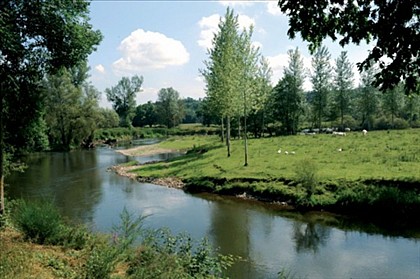
Nestled in the heart of Namur province, Houyet is a charming town bordered by the scenic Lesse Valley, perfect for nature lovers and adventurers. Among the must-dos, experience the famous kayak descents on the Lesse River, offering a picturesque and thrilling journey. Hiking enthusiasts will appreciate the numerous marked trails that wind through woods and fields, showcasing rolling, verdant lands...See more

Walking around Houyet

See more suggestions
Explore the natural surroundings of Houyet.
See more suggestions


What to do in Houyet

See more suggestions
Exciting adventures await you in Houyet, book now.
See more suggestions

What to visit in Houyet

See more suggestions
Enjoy the green spaces of Houyet.
See more suggestions
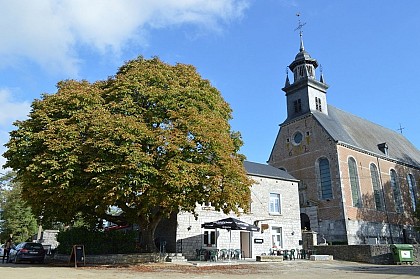
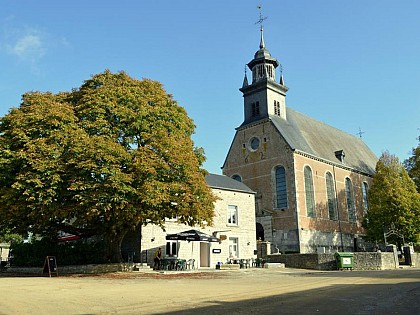
The church of Saint-Hadelin
4.9 km

The church of Saint-Hadelin

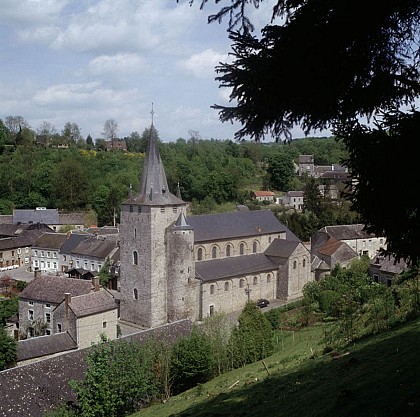
  The church of Saint-Hadelin of Celles is a former collegiate church in the Romanesque style built in the 11th century. Constructed on the site where St Hadelin withdrew at the end of the 7th century, the church was the heir to a monastic foundation that from the 10th century housed a college of canons and was later the site of a pilgrimage. The building is one of the first examples of religious Romanesque architecture. It was substantially restored in 1590 (particularly the front section) and again in the 19th and 20th centuries. The church is made up of juxtaposed spaces that are fairly straightforward to interpret. The façade consists of a front section enclosed by two semi-circular stair turrets. Above is the west tower, which is on four levels. The tower is capped by an octagonal spire flanked by four small spires. Entry to the church is through two side entrances located in the first bay of the north and south side aisles. The gutter-bearing walls, as well as the side aisle walls and the chancel feature blind arcatures, which are typical of Roman architecture. The nave and side aisles run in length along five bays. The transept is not very prominent and low. The north arm has a neo-Roman chapel dating from 1858, while the crossing is delineated by a diaphragm arch. The chancel ends in a semi-circular apse with sphered vault and two absidioles. The church also has two crypts, one in the west, situated under the tower and the other, in the east, beneath the chancel. This half-buried east crypt is made up of nine bays of ridges supported by pillars and pilasters. Note the features of the Mosan-style Romansque architecture, such as the projecting front, the massive tower, the flat ceilings, the marked horizontality of the nave, the simplicity of the interior décor and the installation of coating inside and outside. Listed (18-06-1947) Exceptional heritage site of Wallonia  

Show
The fortification of Hauterecenne
5.2 km

The fortification of Hauterecenne

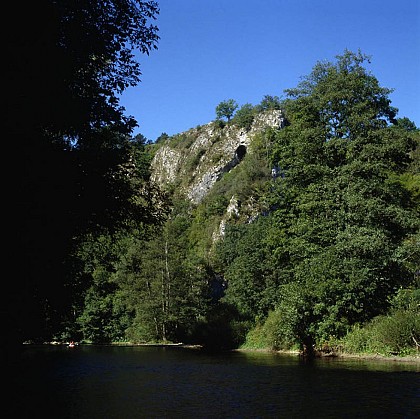
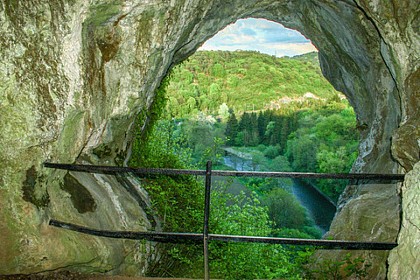
  The site at Furfooz features a ridge overlooking the Lesse below, a strategic position for siting a fortification. Probably occupied from prehistoric times to the 13th century, it was the Roman period that attracted attention through the grandeur and splendour of the facilities left behind (defensive walls, baths, necropolis, etc.) as well as the transition between antiquity and the Middle Ages, a process during which the role of Furfooz should not be neglected. At that time, the site was protected on its north-west flank by walls flanked by towers and by two defensive walls with entrenchments in front, and on its south-east side by the sheer cliff. The site also included a keep and a Roman building as well as the baths abandoned and reused as a necropolis during the establishment of a Germanic community between the 4th and 5th centuries. The remains discovered enable us to understand the role of of this fortress in the late Roman Empire. It acted as a garrison for accommodating Romanised troops who were given the task of defending the hinterland behind the borders, which was one of the key missions in the politics of the time. Following this episode, there was a significant break in which the occupants, probably Germanic, no longer recognised Roman customs. Troops paid by Rome came to take possession of the fortress. This selected passage describing how this exceptional site was occupied, highlights how long it has been occupied by different populations with a variety of cultures. Listed: 18-07-1980 Exceptional heritage site of Wallonia  

Show

Where to eat in Houyet

See more suggestions
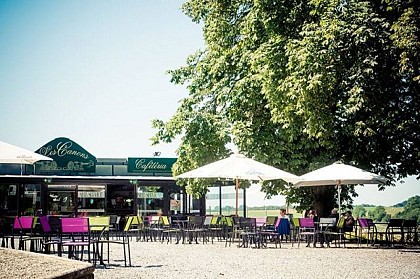
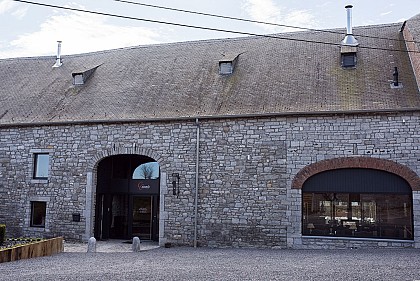
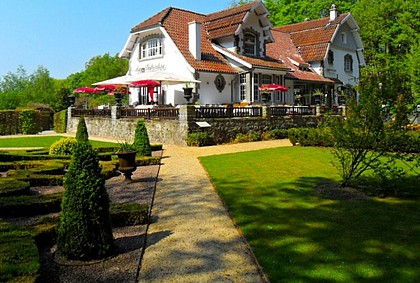
Restaurants in Houyet are ready to welcome you.
See more suggestions
Where to sleep in Houyet

See more suggestions
Book a quality accommodation in Houyet.
See more suggestions
Caution!
We have no information on the difficulty of this circuit. You may encounter some surprises along the way. Before you go, please feel free to inquire more and take all necessary precautions. Have a good trip! 🌳🥾