Tours
Activities
Places of interest
Where to eat
Where to sleep

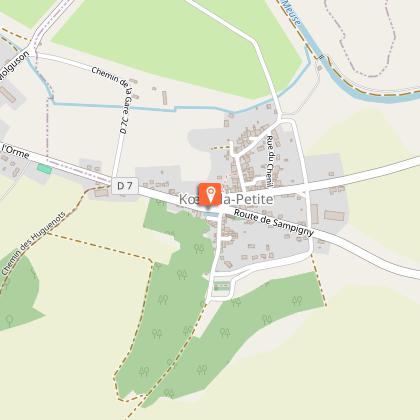
Discover Koeur-la-petite, Meuse, Lorraine, and its wonders

Are you in charge of the destination?
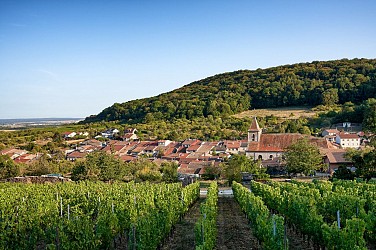
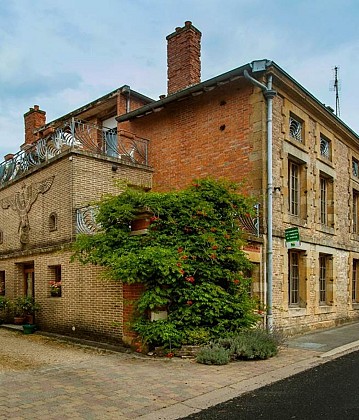
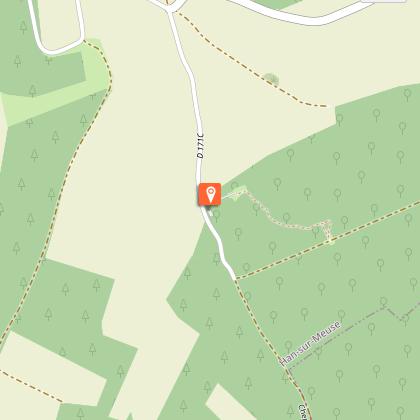
Welcome to Koeur-la-petite, a picturesque town in the Meuse region of Lorraine. Enjoy scenic walks along surrounding trails and explore the charming landscapes that await you.
History buffs will relish a visit to the Saint-Remi church, a listed historical monument, or the nearby Château de Koeur-la-Grande. Each step brings you closer to the serene and authentic atmosphere of this region.
Nature...
See more

Walking around Koeur-la-petite

See more suggestions
Walk through the natural landscapes of Koeur-la-petite.
See more suggestions

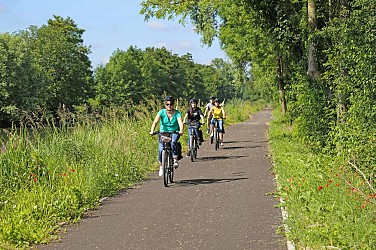
Left bank : through the walking and cycling path
35 km

Left bank : through the walking and cycling path

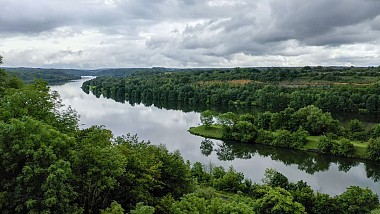
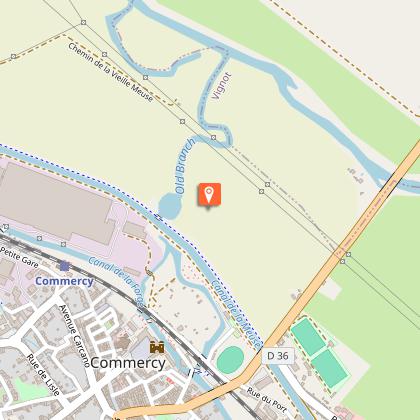
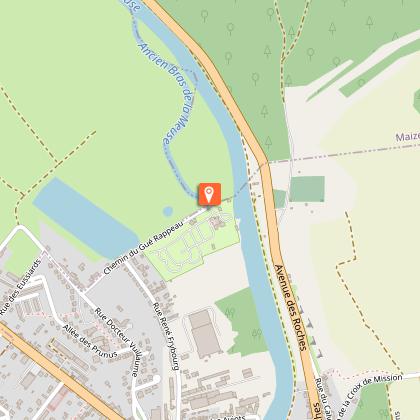
This tour allows you to discover the Left Bank and the beauty of the landscapes of the Meuse Valley along the canal. Dead man’s hill (Le Homme-mort) has suffered some of the most deadliest combats just as much as those on the right bank. Today, it is a pleasant wooded mound that you can enjoy visiting. This course is perfect for a first try of the electric bike. Easy and with little difference in altitude, it will be perfect for a nice stroll with family or friends ! Limited in supply and manpower, the Kronprinz army cannot attack simultaneously on both banks of the Meuse. In order to obtain better results on the right bank, C.Q.G. German prepared the second phase of its offensive whose main objective was to take control of the hills of Mort-Homme (Dead man’s hill) and the Côte 304. These two natural observatories regulated the fires of the French artillery; it is in fact a crucial stake for the offensive continuation. The fighting raged on there for weeks, destroying villages of Esnes-EN-ARGONNE and Chattancourt. Rapidly, the battle peaks became untenable volcanoes; suicidal assaults fade to move on to countless murderous gunshots . To protect themselves from bombing, both sides took refuge on the hillside, digging tunnels. On August 20, 1917, the generals Guillaumat and Pétain begin a to put victorious offensive which has the effect four German divisions attached to the sector Mort-Homme-cote 304 to flight. To the thousands of prisoners, material and armaments captured, must also be added more than twenty thousand victims whose units appear on the current monuments. In this inferno, the village of Cumières will disappear completely and will never be rebuilt.

4 h
48 km
Easy
1 Rue René Panau 55100 Verdun
Show

What to do in Koeur-la-petite

See more suggestions
Book your activities in Koeur-la-petite and experience memorable moments.
See more suggestions

What to visit in Koeur-la-petite

See more suggestions
Visit the museums and galleries of Koeur-la-petite.
See more suggestions
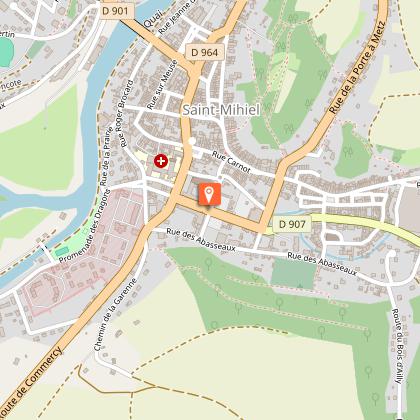
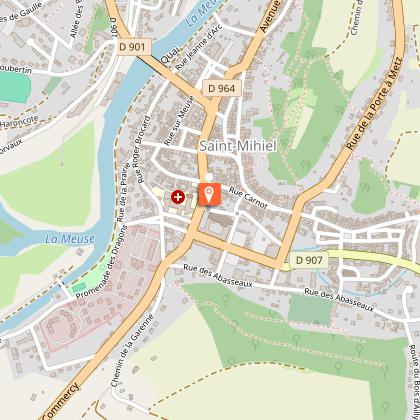
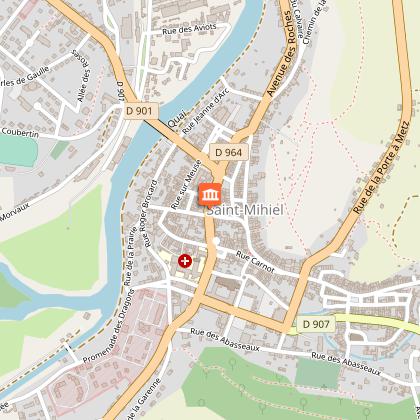
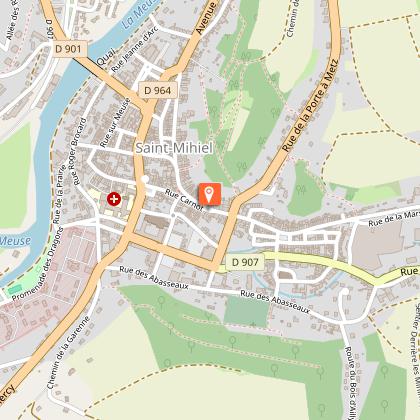
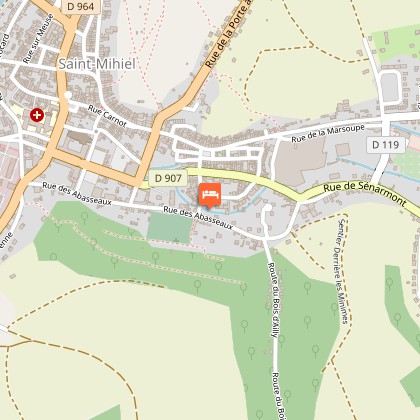
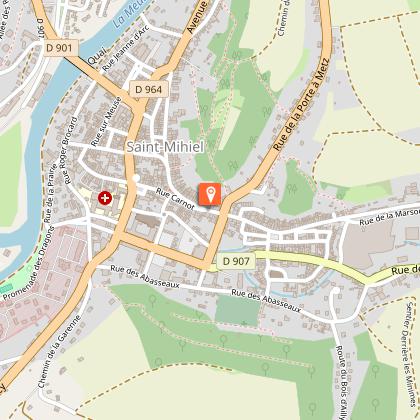
Ville remarquable de Saint-Mihiel
5.1 km

Ville remarquable de Saint-Mihiel

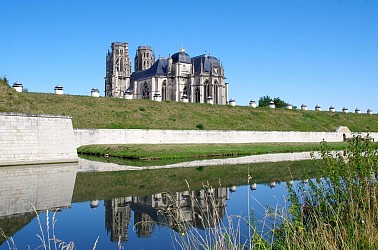
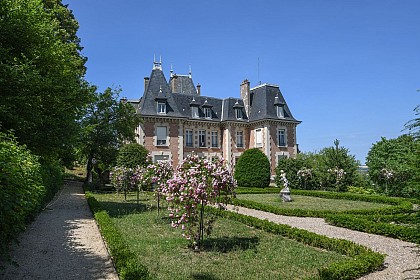
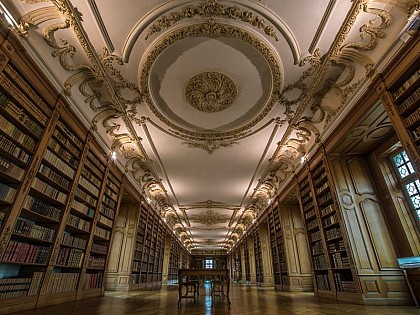
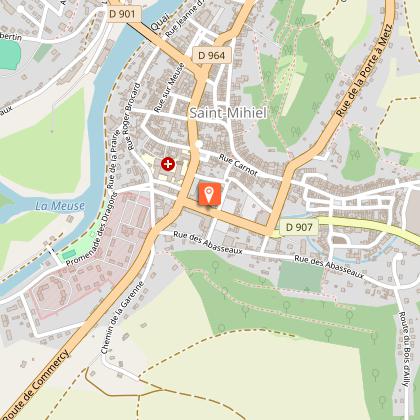
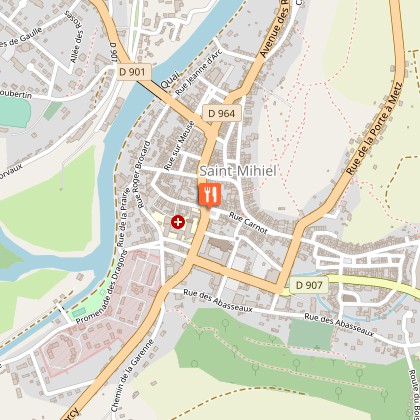
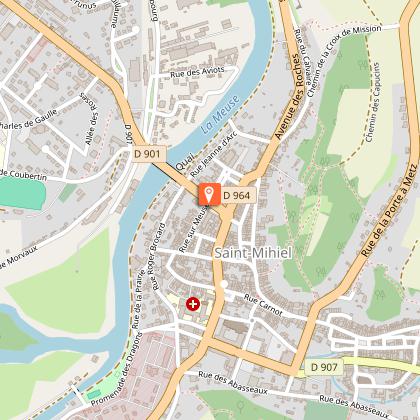
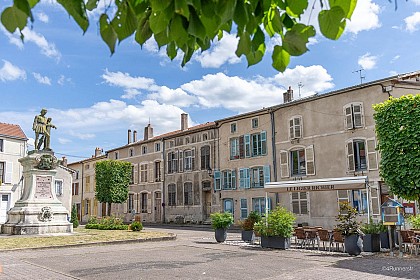
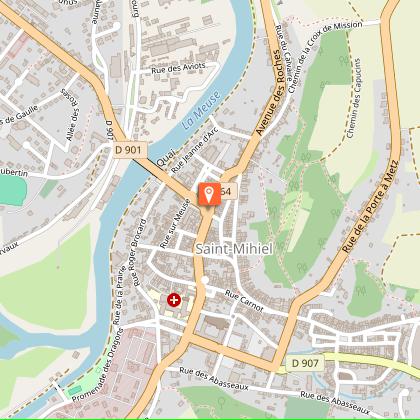
Located in the heart of the Meuse Valley, 35km south of Verdun, the city of Saint-Mihiel offers its inhabitants and visitors a rich heritage marked by a strong memory. Its history is closely linked to that of its Benedictine abbey, founded in the 8th century, on a wooded hill (Mont Châtillon) a few kilometres from its current location. Legend has it that the foundation was founded as a result of a demonstration by the Archangel Michael, head of the heavenly armies. Spending a night with his suite on Mount Châtillon, Lord Wulfoad allegedly had a relic of the archangel hung on a hazelnut branch. In the morning, when he wanted to retrieve the relic, the branch rose again with each attempt. The sign was clear, Saint-Michel wanted a religious house to be founded here. For modern historians, the establishment of the Benedictines corresponds to a disgrace suffered by Wulfoad, a powerful Austrasian lord, following a rebellion against King Pepin Le Bref. The latter confiscated the lord's lands and entrusted them to Fulrad, abbot of Saint-Denis, who made use of them by setting up a Benedictine community there. It is also said that Saint-Michel saved the city by preventing seven evil fairies from throwing large rocks into the Meuse River that would have flooded the site. Still visible, these rocks are now known as the Dames de Meuse. Beyond the legendary aspects, we know that the Benedictine community settled near the banks of the Meuse River in the 9th century in a hamlet called Godonécourt. Over the centuries, under the impulse of the abbey, the town of Saint-Mihiel flourished and developed to the point of becoming a true artistic and cultural centre. Many footprints are still visible today, rooted in the Sami heritage: magnificent private mansions from the Renaissance, 17th and 18th centuries; a renowned artistic heritage inspired by the emergence of Ligier Richier's Sammielloise sculpture school, the leader of a cultural renewal; an exceptional Benedictine library whose oldest manuscripts date back to the 8th century. Discover Saint-Mihiel by walking through its streets, reflecting an exciting heritage.

55300 SAINT MIHIEL
Show

Where to eat in Koeur-la-petite

See more suggestions
The cuisine of Koeur-la-petite is a must-try.
See more suggestions

Where to sleep in Koeur-la-petite

See more suggestions
Choose from a variety of lodgings in Koeur-la-petite.
See more suggestions
Caution!
We have no information on the difficulty of this circuit. You may encounter some surprises along the way. Before you go, please feel free to inquire more and take all necessary precautions. Have a good trip! 🌳🥾