Tours
Activities
Places of interest
Where to eat
Where to sleep
Experience Fayet with BRIT HOTEL SARL BARRET LAUNAY
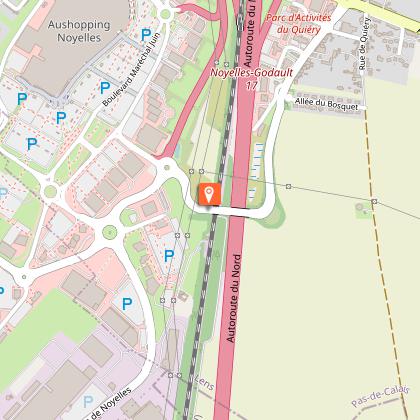
Are you the owner?Welcome to the page dedicated to local attractions accessible from BRIT HOTEL SARL BARRET LAUNAY, located in Fayet, Aisne, Picardie. Fayet's region is rich in history and stunning natural sites. Start by visiting the beautiful city of Saint-Quentin, just a few kilometers away, renowned for its majestic basilica and flamboyant gothic town hall. Don't miss the Antoine-Lécuyer Museum, which houses an...See more
Walking around BRIT HOTEL SARL BARRET LAUNAY
See more suggestionsHikes for all levels in BRIT HOTEL SARL BARRET LAUNAY.
See more suggestions


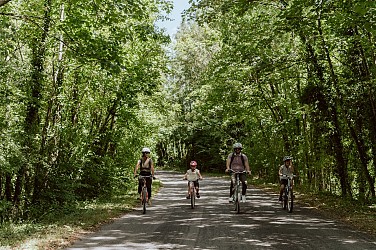


What to do in BRIT HOTEL SARL BARRET LAUNAY
See more suggestionsPlan a perfect day in BRIT HOTEL SARL BARRET LAUNAY with our bookable activities.
See more suggestions



IGN cards
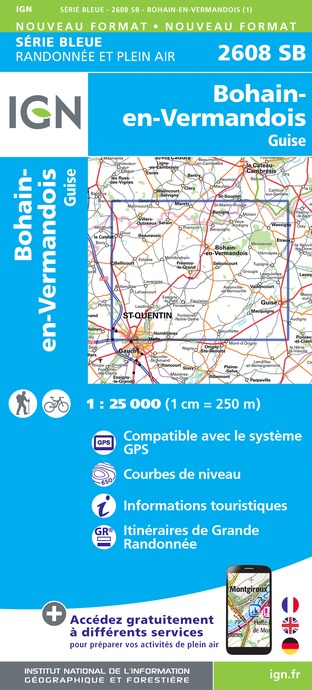
2608SB - BOHAIN-ENVERMANDOIS GUISE
Editor : IGN
Collection : TOP 25 ET SÉRIE BLEUE
Scale : 1:25 000
13.90€

2609SB - SAINT-QUENTIN RIBEMONT
Editor : IGN
Collection : TOP 25 ET SÉRIE BLEUE
Scale : 1:25 000
13.90€

2509SB - HAM NESLE
Editor : IGN
Collection : TOP 25 ET SÉRIE BLEUE
Scale : 1:25 000
13.90€

2508SB - PÉRONNE ROISEL
Editor : IGN
Collection : TOP 25 ET SÉRIE BLEUE
Scale : 1:25 000
13.90€
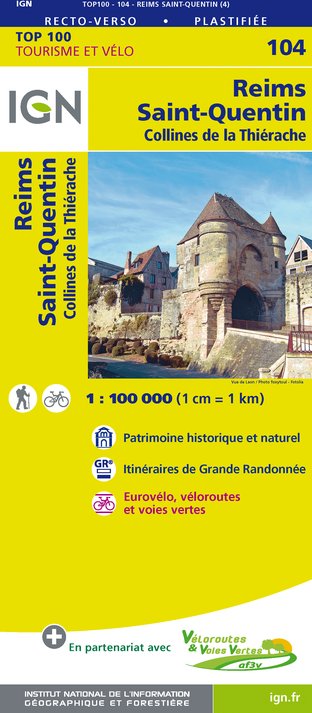
104 REIMS SAINT-QUENTIN COLLINES DE LA THIÉRACHE
Editor : IGN
Collection : TOP 100
Scale : 1:100 000
8.40€

D60-80 OISE SOMME
Editor : IGN
Collection : CARTES DÉPARTEMENTALES IGN
Scale : 1:150 000
5.90€
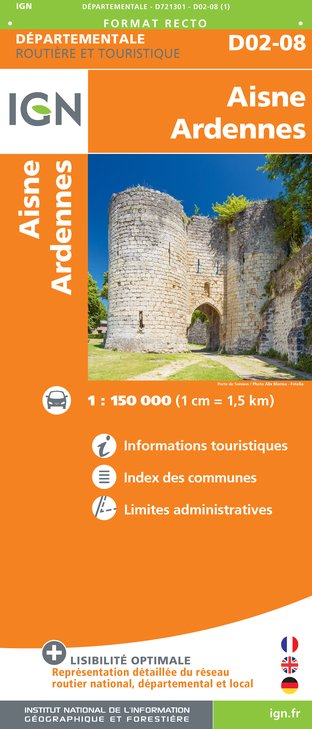
D02-08 AISNE ARDENNES
Editor : IGN
Collection : CARTES DÉPARTEMENTALES IGN
Scale : 1:150 000
5.90€

D59-62 NORD PAS-DE-CALAIS
Editor : IGN
Collection : CARTES DÉPARTEMENTALES IGN
Scale : 1:150 000
5.90€
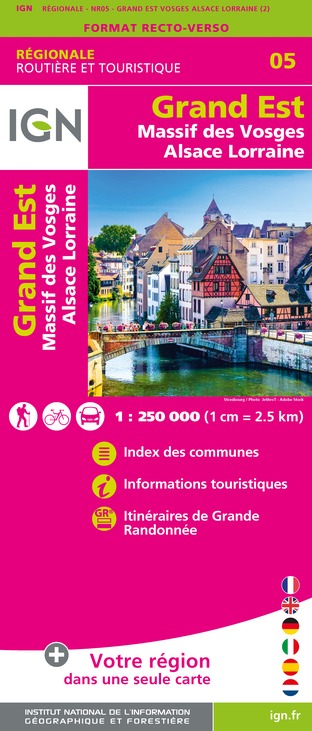
NR05 GRAND EST RECTO/VERSO MASSIF DES VOSGES ALSACE LORRAINE
Editor : IGN
Collection : CARTES RÉGIONALES IGN
Scale : 1:250 000
6.80€

NR04 - GRAND EST RECTO/VERSO ARDENNE CHAMPAGNE
Editor : IGN
Collection : CARTES RÉGIONALES IGN
Scale : 1:250 000
6.80€

NR01 HAUTS-DE-FRANCE
Editor : IGN
Collection : CARTES RÉGIONALES IGN
Scale : 1:250 000
6.80€
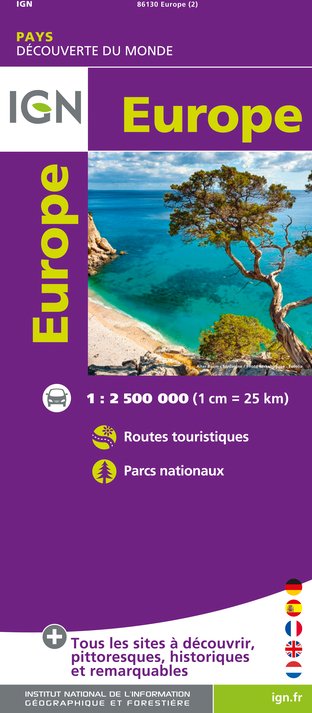
EUROPE
Editor : IGN
Collection : DÉCOUVERTE DES PAYS DU MONDE IGN
Scale : 1:2 500 000
7.00€

PAYS-BAS BELGIQUE LUXEMBOURG
Editor : IGN
Collection : DÉCOUVERTE DES PAYS DU MONDE IGN
Scale : 1:300 000
7.00€
What to visit in BRIT HOTEL SARL BARRET LAUNAY
See more suggestionsAttend events organized in BRIT HOTEL SARL BARRET LAUNAY.
See more suggestions




Where to eat in BRIT HOTEL SARL BARRET LAUNAY
See more suggestionsChefs in BRIT HOTEL SARL BARRET LAUNAY will delight you.
See more suggestions


Where to sleep in BRIT HOTEL SARL BARRET LAUNAY
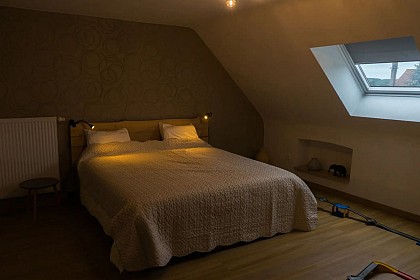
See more suggestionsFind the perfect lodging for your visit to BRIT HOTEL SARL BARRET LAUNAY.
See more suggestions