Alert
Alerts
The Loing by bike – from Moret-sur-Loing to Souppes-sur-Loing

Description
A bike ride between the medieval town of Moret-sur-Loing and Souppes-sur-Loing, along the Loing Canal towpath. A section of the “Scandibérique” EuroVelo 3 bike route linking Trondheim in Norway to Santiago de Compostela in Spain.
Departing from the medieval and Impressionist town of Moret-sur-Loing and exploring a section of the “Scandibérique” EuroVelo 3 bike route linking Trondheim in Norway to Santiago de Compostela in Spain, this tranquil, easy-to-pedal itinerary follows the picturesque Loing Canal towpath to the town of Souppes-sur-Loing. The towpath is mostly tarred for smooth riding.
Technical Information
Altimetric profile
Starting point
Steps
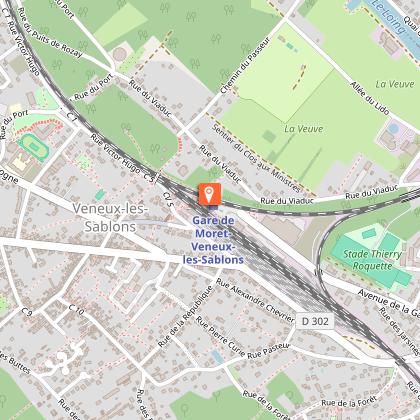
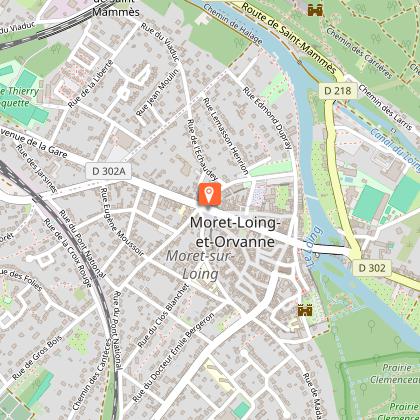
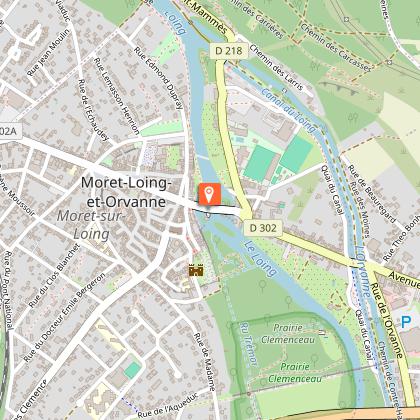
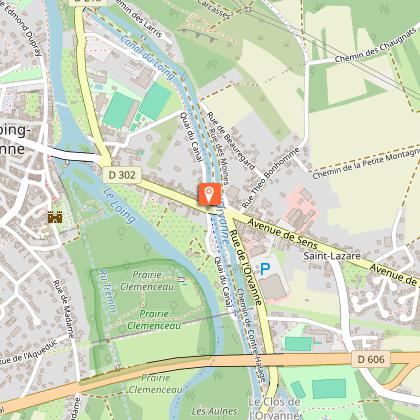
Points of interest
Additional information
Updated by
Seine et Marne Attractivité - 20/05/2026
www.tourisme-seine-et-marne.fr/
Report a problem
Services for cyclists
Safety instructions and good practices:
- Respect the French highway code and remain vigilant on and near all roads, particularly at intersections and when crossing départementales (secondary roads) and passing over bridges. To that end, carefully read the guide provided for each itinerary.
- Wear a properly fitting helmet. At night and in bad weather, wear a fluorescent vest with reflective bands and carry a proper torch/flashlight.
- Restrictions for children under 12: make sure that the loop you want to follow is well suited to your children.
- After every picnic, leave no trash behind, and respect the wild flora and fauna.
- Prior to departure, make sure that your smartphone or tablet is sufficiently charged. Consider taking along a charger.
- If you happen to notice any anomaly while following an itinerary, please don’t hesitate to write us! We value all such observations and remarks.
Open period
All year round daily.
Contact
Phone : 01 60 39 60 39
Email : info@attractivite77.fr
Website : https://www.tourisme-seine-et-marne.fr/
Facebook : https://www.facebook.com/77VivreEnGrand
Data author

The Cirkwi brief
Imagine pedaling down a scenic route, where the tranquility of nature meets the rich tapestry of French culture and history. This journey from the enchanting medieval village of Moret-sur-Loing to the picturesque Souppes-sur-Loing brings just that. Envisioned by Seine et Marne Attractivité, this track follows a portion of the ambitious EV3 Scandibérique route. It's not just a ride; it's an exploration of serene watersides and a dive into the heart of French charm without the hurry of city life. Ideal for leisure cyclists, this trail promises ease and unforgettable vistas.
Brief Technical Overview of the Route
Spanning a distance of approximately 31.6 kilometers with an elevation gain totaling 227,230 meters throughout —this route offers a relatively smooth cycling experience. Beginning at 45 meters above sea level, the highest point reaches 72 meters, offering subtle yet manageable challenges. The mixed terrain, primarily consisting of well-maintained tarmac, ensures accessibility for all levels of cyclists. These technical specifics underline a route that is both engaging and attainable, offering an insightful glimpse into the gradual topographical shifts characteristic of this region.
Seasonal Advice for Trail Enjoyment
Regardless of the season, the journey from Moret-sur-Loing to Souppes-sur-Loing is delightful. However, spring and autumn present the landscape at its most vibrant. During these periods, cooler temperatures and decreased rainfall create ideal conditions for cycling. It's recommended to wear layers, allowing for adjustments throughout the day. Necessary precautions include carrying water, especially in warmer months, and ensuring your bicycle is equipped with a repair kit. The Office de Tourisme's provision of a pump and repair kits emphasize the region's cyclist-friendly infrastructure.
Historical Significance of the Area
The territory from Moret-sur-Loing to Souppes-sur-Loing is steeped in a rich tapestry of French history and culture. Moret-sur-Loing, in particular, offers a glimpse into medieval France, with its surviving gates and picturesque streets serving as a testament to its past. This route, forming part of the EV3 Scandibérique, weaves through these historical narratives, linking storied lands with the breath of modern adventure. Not only does it connect physical locations but also the stories of countless generations that have traversed and shaped this land.
Weather Patterns and Best Visit Times
The region experiences a temperate climate, with mild winters and warm, pleasant summers. Rainfall is fairly evenly distributed throughout the year, with the potential for wetter months in spring and autumn. The best time for cycling this route would arguably be late spring through early autumn. During these months, you'll likely encounter mild weather conditions, making for an enjoyable ride. Catching the early morning light or late afternoon golden hour can add an extra layer of magic to your cycling adventure.