Alert
Alerts
Type of practice
Walking
Medium
5h
Presentation
Map
Points of interest
Cirkwi brief's
Ratings and reviews
See around
Rocks and Woods of Southern Seine-et-Marne
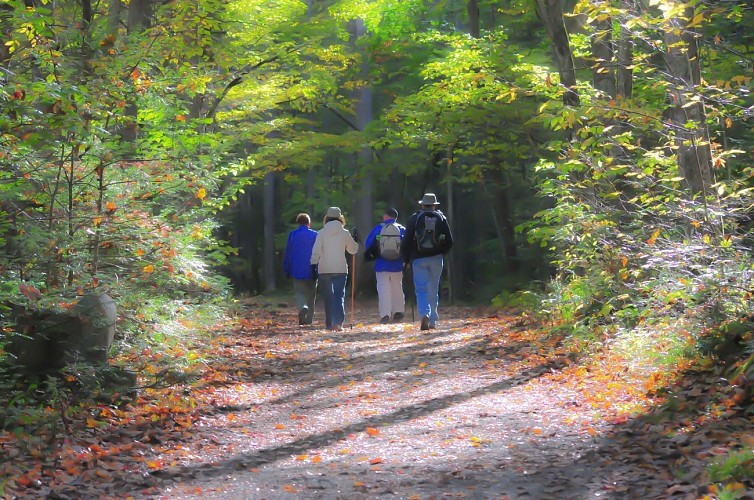
Credit : Pixabay
The Cirkwi brief
Explore Nemours: A Journey Through Natural Beauty and History
Embarking on this route means immersing yourself in a realm where nature and history intertwine beautifully. Led by the Office of Tourism of Pays de Nemours, this path invites you to unravel the olden times of Nemours, once the reigning heart of Gâtinais, as you wander beside the tranquil Loing River and marvel at its castle. Venture further, and you're greeted by forests dotted with surreal rocky landscapes amidst sandy moors. This voyage culminates at Souppes-sur-Loing, renowned for its exquisite limestone. It's a tale of natural wonders and historic charm awaiting your footsteps.
Brief Technical Overview for Hikers
This journey spans 20km, starting from Nemours-Saint-Pierre's railway station and stretching across varied terrains. This route boasts an ascend range from 320 to 311 meters, with the highest peak at 131 meters and the lowest at 59 meters. Such diversity in elevation makes for a stimulating trekking experience. Participants can anticipate a robust walk, demanding decent stamina. Ideal for enthusiasts seeking technical satisfaction, it combines the pleasures of a scenic route with the demands of a substantial physical challenge.
Seasonal Advice for Nemours Explorers
Regardless of the season, preparation is key for this journey. In summer, bring ample water and sun protection due to exposed sections under the sun. Autumn calls for waterproof gear, as this season can sprinkle your adventure with unexpected showers. Winter explorers should equip with thermal wear and be cautious of slippery paths. Spring, vibrant and mild, is perfect, but paths may be muddy, so wear appropriate footwear. Always inform someone of your itinerary before embarking, and stay on marked trails to ensure your safety.
Understanding Nemours: Historical Significance Unveiled
Nemours, nestled in the Seine-et-Marne department within the larger Île-de-France region, boasts a deeply rooted historical tapestry. This ancient capital of Gâtinais stands as a testament to France's medieval legacy, overlooked by its imposing castle that has watched over the Loing since its inception. The region's famed for its enchanting forest and unique geomorphology, which historically provided both refuge and resources to its inhabitants. The extraction of Souppes-sur-Loing's limestone further underlines the area’s integral role in the architectural evolution of its surroundings.
Best Times to Visit According to Weather Patterns
Seine-et-Marne Climate Guide for Travellers
The Seine-et-Marne region experiences a temperate climate, making Nemours accessible and enjoyable throughout the year. However, the optimal time to visit is between May and September when the weather is typically pleasant, with average temperatures conducive to outdoor activities. July and August are the warmest months, ideal for enjoying the scenic landscapes. Conversely, those wishing to avoid the summer crowd might find spring (late March to May) or early autumn (September and October) perfect, with mild temperatures and fewer tourists.
Embarking on this route means immersing yourself in a realm where nature and history intertwine beautifully. Led by the Office of Tourism of Pays de Nemours, this path invites you to unravel the olden times of Nemours, once the reigning heart of Gâtinais, as you wander beside the tranquil Loing River and marvel at its castle. Venture further, and you're greeted by forests dotted with surreal rocky landscapes amidst sandy moors. This voyage culminates at Souppes-sur-Loing, renowned for its exquisite limestone. It's a tale of natural wonders and historic charm awaiting your footsteps.
Brief Technical Overview for Hikers
This journey spans 20km, starting from Nemours-Saint-Pierre's railway station and stretching across varied terrains. This route boasts an ascend range from 320 to 311 meters, with the highest peak at 131 meters and the lowest at 59 meters. Such diversity in elevation makes for a stimulating trekking experience. Participants can anticipate a robust walk, demanding decent stamina. Ideal for enthusiasts seeking technical satisfaction, it combines the pleasures of a scenic route with the demands of a substantial physical challenge.
Seasonal Advice for Nemours Explorers
Regardless of the season, preparation is key for this journey. In summer, bring ample water and sun protection due to exposed sections under the sun. Autumn calls for waterproof gear, as this season can sprinkle your adventure with unexpected showers. Winter explorers should equip with thermal wear and be cautious of slippery paths. Spring, vibrant and mild, is perfect, but paths may be muddy, so wear appropriate footwear. Always inform someone of your itinerary before embarking, and stay on marked trails to ensure your safety.
Understanding Nemours: Historical Significance Unveiled
Nemours, nestled in the Seine-et-Marne department within the larger Île-de-France region, boasts a deeply rooted historical tapestry. This ancient capital of Gâtinais stands as a testament to France's medieval legacy, overlooked by its imposing castle that has watched over the Loing since its inception. The region's famed for its enchanting forest and unique geomorphology, which historically provided both refuge and resources to its inhabitants. The extraction of Souppes-sur-Loing's limestone further underlines the area’s integral role in the architectural evolution of its surroundings.
Best Times to Visit According to Weather Patterns
Seine-et-Marne Climate Guide for Travellers
The Seine-et-Marne region experiences a temperate climate, making Nemours accessible and enjoyable throughout the year. However, the optimal time to visit is between May and September when the weather is typically pleasant, with average temperatures conducive to outdoor activities. July and August are the warmest months, ideal for enjoying the scenic landscapes. Conversely, those wishing to avoid the summer crowd might find spring (late March to May) or early autumn (September and October) perfect, with mild temperatures and fewer tourists.
Automatically generated.
Technical Information
Walking
Difficulty
Medium
Duration
5h
Dist.
20 km
Type of practice
Walking
Medium
5h
Show more
Altimetric profile
Starting point
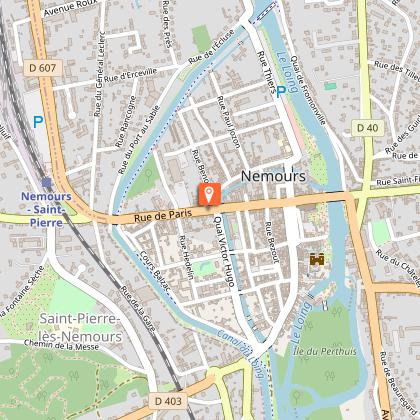
Gare de Nemours Saint-Pierre
,
77140
Nemours
Lat : 48.267875Lng : 2.685662
Points of interest


Data author

proposed by
Office de Tourisme du Pays de Nemours
28 rue Gautier 1er 77140 Nemours France
Ratings and reviews
To see around