Alert

Alerts

To see around
See more
Open
Close
Show
Show
Show
Show
Show
Show
Show
Show
Show
Show
Show

Oups... It would appear that Cirkwi does not have permission to use your location.

Presentation
Description
Map
Points of interest
Ratings and reviews
See around

Tour 3: Once upon a time there were Trees, Plants and People

Description

On this tour, you'll discover a heritage of remarkable trees, natural areas, parks and gardens, buildings and skills linked to the use of plants, revealing just a few facets of the relationship between plants and man.

On this tour, you'll discover a heritage of remarkable trees, natural areas, parks and gardens, buildings and know-how linked to the use of plants, revealing just a few facets of the relationship between plants and mankind.

At a time when everything moves so fast, it's important to remember that there is another kind of time. It's a time for slowness, seasons, patience and respect for the environment in the name of serene growth. This is the time of trees and plants

Whether they are there by natural enchantment, or thanks to the hand of man, these living beings delight the eyes and awaken the hearts as a major element of local culture. While cherishing this resource, generations have managed to tame it, exploit it and develop their know-how.

At the heart of France's leading forestry department, the communes of Méditerranée Porte des Maures are bursting with plant species. Remarkable trees and gardens, parks and natural areas, know-how and traditions, built heritage - these are just some of the things you can get to know.

As a precious resource that is sometimes overlooked, a magical instrument for cleaning up pollution and the home of rich ecosystems, everyone today recognises the importance of preserving them. To better appreciate and protect these species, we need to recognise them.

> Cuers
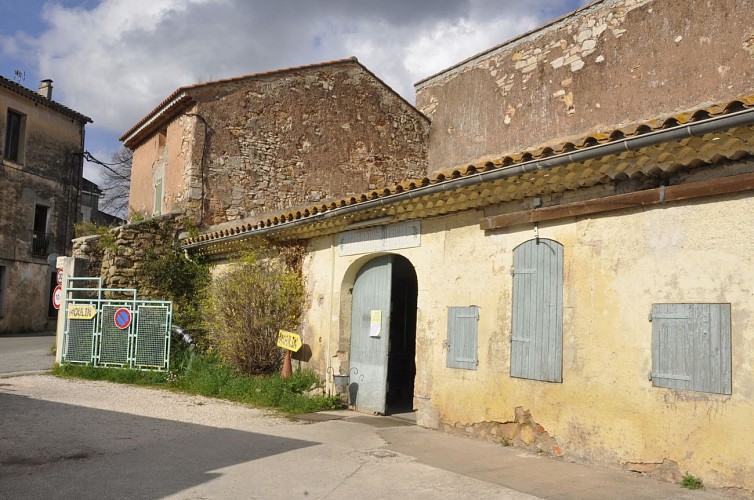
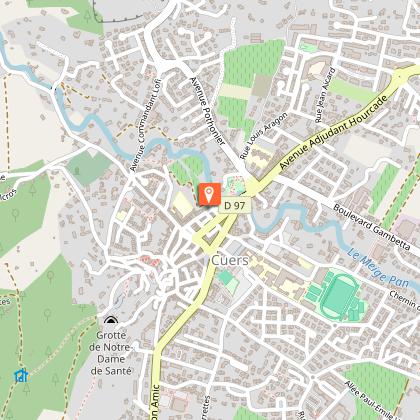
Located at the western gateway to the crystalline Maures massif and the limestone massifs, and home to four Zones Naturelles d'Intérêt Écologique Faunistique et Floristique (Natural Areas of Ecological, Faunistic and Floristic Interest), Cuers has always been influenced by this plant environment. There is a strong link between its inhabitants, its topography and this highly varied vegetation. As far back as Antiquity, the Ligures set up their oppidum on the hills to protect themselves. Since then, the area's inhabitants have continued to live together in this way. The natural environment is conducive to a number of crops (cereals, tobacco, potatoes, hemp, flax, vines and olives) and gentle farming methods (bees, silkworms).

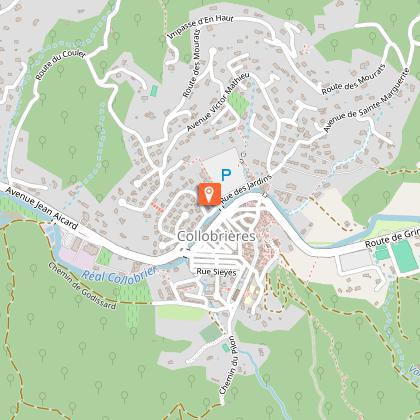
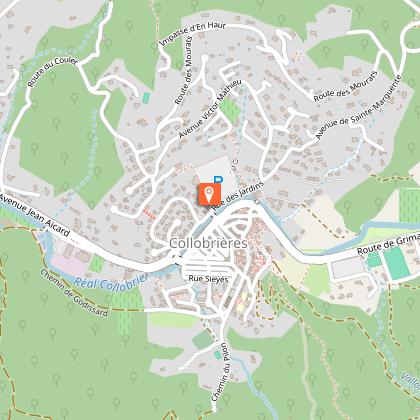
Collobrières
Nestling like a pearl in the heart of the crystalline Massif des Maures, the commune of Collobrières benefits from a mild Mediterranean climate, marked in particular by the presence of scrubland, cork oaks, hundred-year-old chestnut trees, arbutus and cades. The area around the village offers some remarkable walks, and is already revealing a wealth of biodiversity that will delight lovers of unspoilt nature, protected by a village that has been awarded 3 flowers under the "Villes et Villages Fleuris" (Towns and Villages in Bloom) label, as well as the "Village Nature 2 libellules - Territoire engagé pour la Nature" (Nature Village with 2 dragonflies - Territory committed to Nature) and "Villages de Caractère du Var" (Character Villages of the Var) labels.
Pierrefeu-du-Var
Due to its geographical location, Pierrefeu-du-Var benefits from a green setting that is ideal for hiking and discovering the flora and fauna of its waterways. Built on the first foothills of the Massif des Maures, it overlooks a vast, renowned wine-growing plain and wooded areas with typical Mediterranean scrubland vegetation, originally represented by white oak and cork oak. For many years, the link between nature and man has been an essential element in the economic development of the region, and this has been maintained to this day.

> La Londe les Maures
The part of the Maures massif that lies within the territory of Hyères was referred to as "forêts gastes" in the 17th century. The Norman origin of the name La Londe, "lund", means clearing, cleared forest. In order to exploit its resources and cultivate this land suitable for farming, man had to develop it. The first representatives of the commune, which was created in 1901, felt that "les Maures", which gained in value during the 19th century, deserved to add to its toponym. The latter is emblematic of the importance of the forest, which covers 75% of the territory, with wooded areas stretching right down to the seaside.

> Bormes les Mimosas
When you think of its name, you realise how important trees have always been to the village and its inhabitants. Bormes, classified as one of the "Most Beautiful Villages in France", is associated with an emblematic tree, the Mimosa, but its plant palette also includes remarkable trees and exotic species. In exchange for their care and respect, this forest and these trees have provided a living for entire families. At Bormes les Mimosas, mankind has come to realise that a close relationship with nature will bring him fulfilment, peace, fruitful exchanges and pleasures for the senses.

Le Lavandou
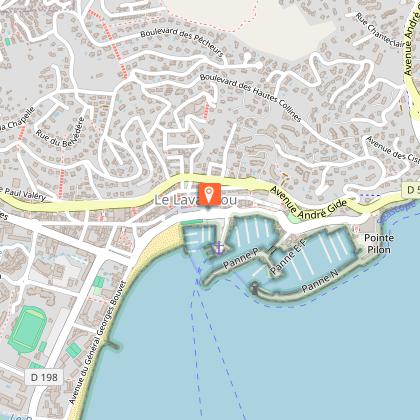
One flower, then two, then three... Le Lavandou's passion and the attentive care it lavishes on its environment and green spaces have gone to great lengths to create a bouquet of a thousand colours and a thousand scents... all the way to this coveted 4th flower, which honours the city of dolphins and whales with this exceptional label on the list of "Cities and Villages in Bloom in France". But as well as following the "Circuit des espaces fleuris" in the town centre, a visit to Le Lavandou also means taking a walk in the natural setting of the Saint-Clair terraces and discovering the many species in the resort.

Technical Information

Car
Difficulty
Easy
Duration
6h (1d)
Dist.
208 km
Show more

Altimetric profile

Starting point

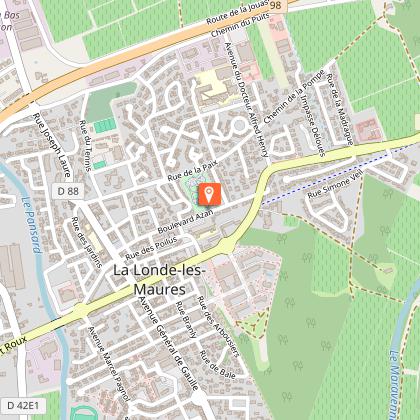
775 Avenue de la Baie des Îles , 83250   La Londe-les-Maures
Lat : 43.11564Lng : 6.24034

Points of interest
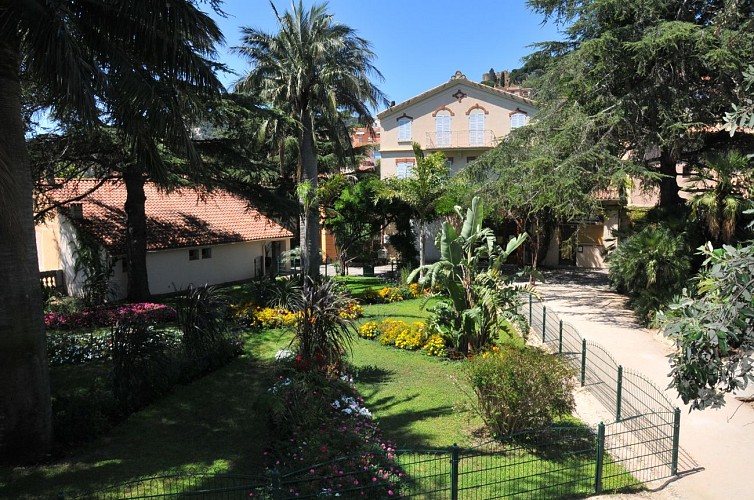
image du object

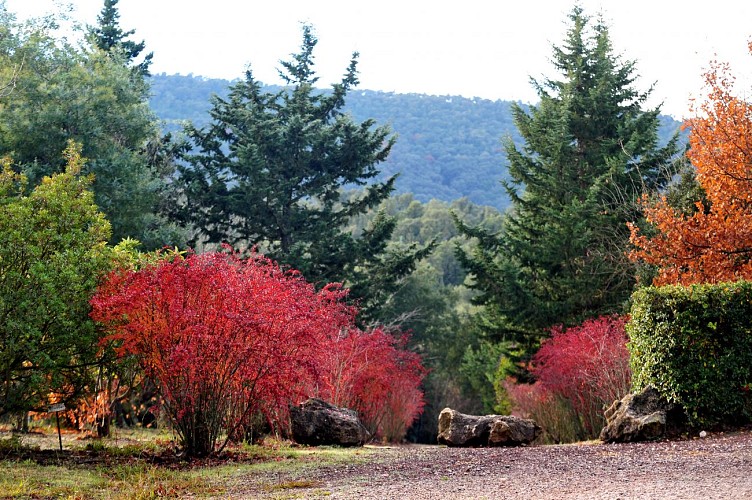
André Luglia area

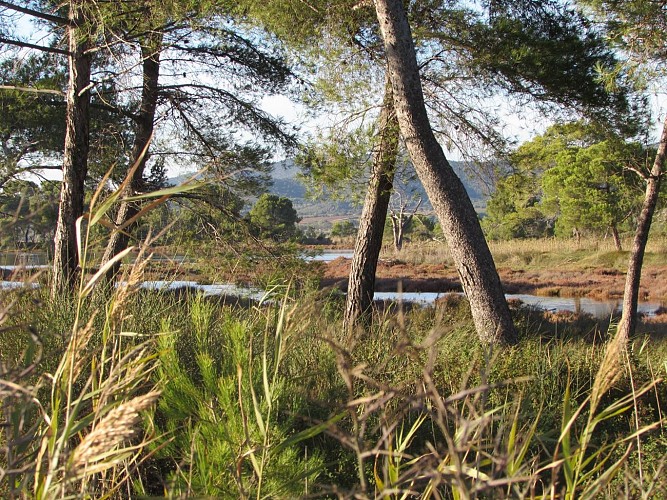
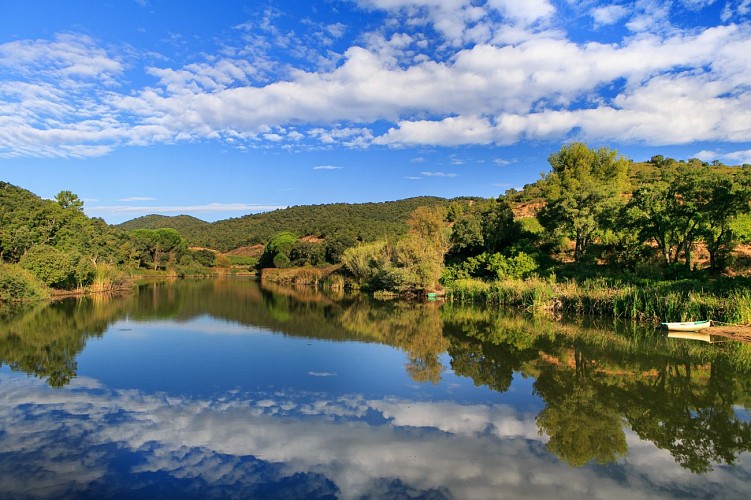
The André Luglia area includes an arboretum with over 300 species of trees, a picnic area, a botanical trail, lakes and a sports trail.This leisure area, created in the 1990s by the local council, offers a wide range of recreational and sporting activities in the rich and varied environment of the Maures forest. Over an area of 12,000 m2, you will discover more than 300 species of ornamental, forest and fruit trees and shrubs, including a collection of conifers. A place to study the adaptation of certain species to a Mediterranean environment with acid soil and no human intervention (no pruning or watering). It also includes two water reservoirs equipped with a pontoon suitable for people with reduced mobility, giving access to a fishing trail, and a botanical trail where you can use a QRcode to discover the species of the Mediterranean marquis and observe plant and animal biodiversity. You'll be able to spot kinglets, tree finches, robins, green woodpeckers, warblers, a multitude of insects such as dragonflies, as well as protected species such as Hermann's tortoise, a rich species in the Massif des Maures. You'll also find a rest and picnic area with drinking water, shaded by tall Aleppo pines and cork oaks, and an 800-metre sports trail with various apparatus for sporting activities. From 21 June to 20 September, the footpaths are subject to the rules governing access to the Var's forested areas in order to comply with the fire risk prevention plan. Before visiting the site during this period, call the Pierrefeu-du-Var tourist office or consult the Var prefecture website www.var.gouv.fr/ or the daily press (Var Matin).

Route de Collobrières 83390 Pierrefeu-du-Var
- OFFICE DE TOURISME INTERCOMMUNAL Cuers, Collobrières, Pierrefeu du Var, La Londe les Maures -
Consulter
image du object

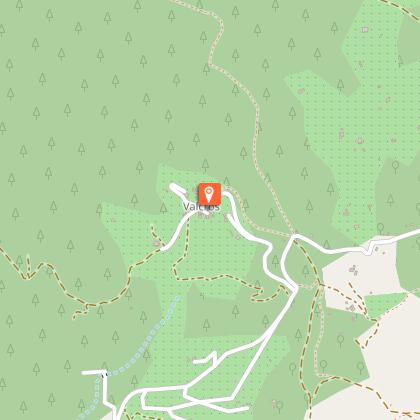
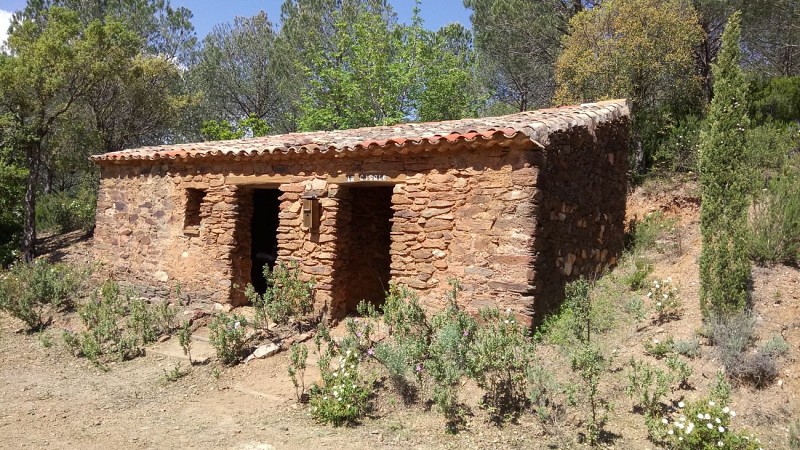
Cabanon of La Cigale

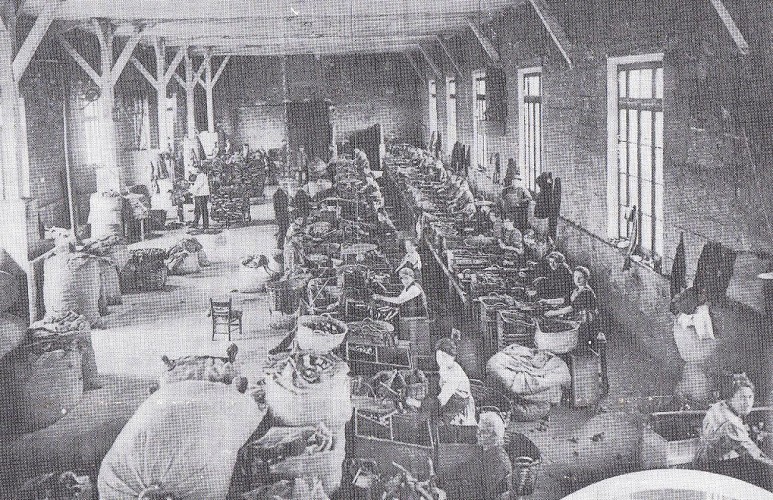
Stone hut once home to forestry craftsmen and shepherdsThe plant diversity of the Massif des Maures fostered a mosaic of silvo-pastoral activities until the middle of the 19th century, providing a livelihood for many forestry craftsmen. These activities generated a small heritage of buildings and equipment linked to the processing of these resources. Numerous shepherd's huts, such as the one at La Cigale, used as daily shelters or even temporary housing for shepherds and "bouscatiers", are a reminder of the seasonal but cyclical nature of these activities. Evidence of this can be seen 50 m before the cabin, where the remains of a cork transport cart and the marks of cork harvesting on several cork oaks for local cork factories can be seen. Similarly, 500 m ahead on the right, an ancient area marked by a tin oven is evidence of charcoal production. The surrounding place names also reveal the importance of pastoralism in the past in these hills: Les Vanades (fold, sheepfold), Signau de clau (enclosure) de Barrau and Comtadou, a rocky peak to the north, used as a corridor for counting ewes. Built of local stone masonry, the La Cigale hut is made up of two areas with separate entrances, which were probably the living area and a shelter for tools or livestock. Restored in 2006 by the ALPHA association and the ONF, it now provides shelter for walkers and hunters.

Piste de l'Anguille Canton domanial des Vanades 83250 La Londe-les-Maures
- OFFICE DE TOURISME INTERCOMMUNAL Cuers, Collobrières, Pierrefeu du Var, La Londe les Maures -
Consulter
image du object

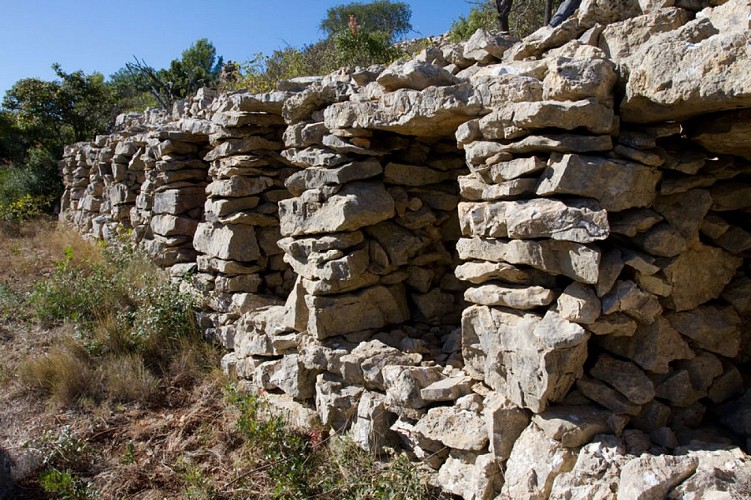
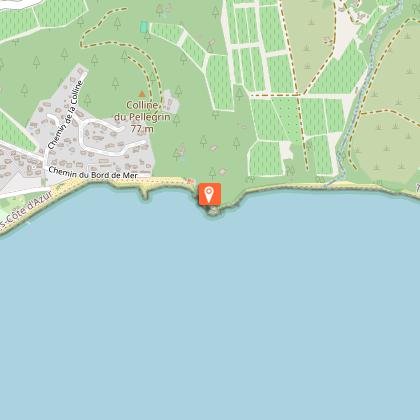
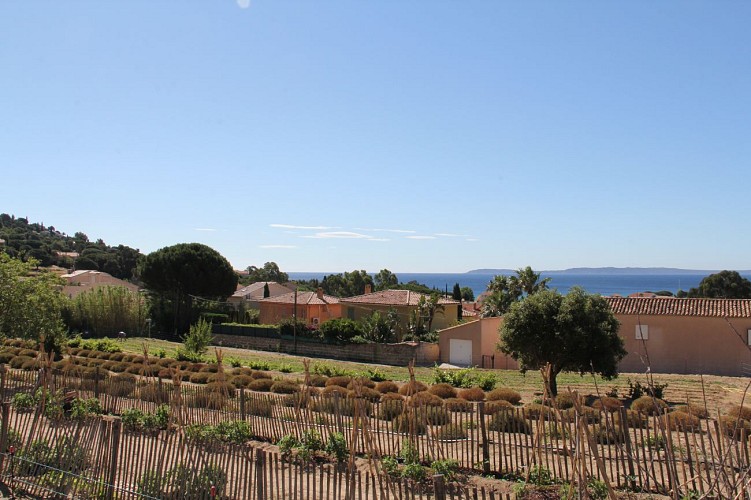
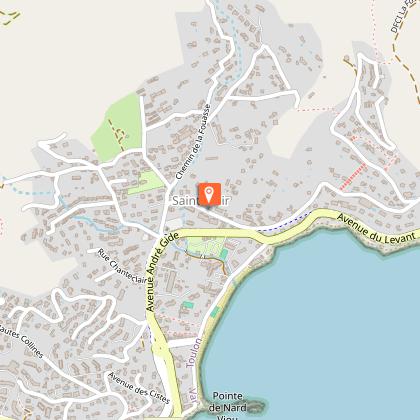
Les Restanques de Saint-Clair

Les murs en pierres sèches appelés terrasses ou restanques en Provence font partie intégrante de l’histoire du Lavandou.À la fin du XIXe siècle, des terrassiers piémontais ont construit les restanques de Saint-Clair pour les cultures de primeurs et fleursGrâce aux possibilités d’acheminement offertes par le train, qui à l’époque traversait Le Lavandou, les agriculteurs ont développé cette technique et ont connu des années prospères. Dans son livre, Le Lavandou, Francis Marmier décrit précisément le processus de construction des restanques. « Les plus grandes restanques sont soutenues par des murs de trois mètres de haut, dépassant parfois cent mètres de long, dont les bases pouvant atteindre un mètre d’épaisseur reposent directement sur la roche en place. Les pierres sont posées et croisées sans mortier et autre souci que celui de la plus grande stabilité, le fini extérieur est en dernier lieu amélioré par d’innombrables écailles de pierres, enfoncées en force à la massette dans les joints. Pour accroître leur solidité, les murs sont bâtis avec un fruit important, c’est-à-dire inclinés vers l’arrière, et renforcés vers l’intérieur par une épaisseur de blocage qui favorise le drainage. Travail énorme, technique accomplie, esthétique admirable (…) Non loin de la mer, sur les coteaux les mieux exposés et abrités du vent, ces murs de pierres sèches retiennent la chaleur et créent un microclimat propice aux cultures hâtives. » L’ÉPOQUE AGRICOLE Les restanques de Saint-Clair ont vu de nombreuses variétés de fleurs – giroflées, arums, ixias, montbretias, freesias, marguerites, chamelaucium, soucis, statices, etc. - et de légumes – fèves, petits pois, pommes de terres, etc. - pousser sur leurs terres. Dans son ouvrage, Francis Marmier raconte qu’en 1952, Marius Dorie, maire du Lavandou et conseiller général fut surpris par l’importance de la production agricole du Lavandou : « 900 tonnes de légumes et 80 000 paniers de fleurs ». Après cette époque déterminante pour l’économie de la région, les cultures ont peu à peu été abandonnées et bon nombre de terrains agricoles ont laissé place aux constructions qui ont poussésur tout le littoral varois.

chemin du Pataras Saint-Clair 83980 Le Lavandou
- Office de tourisme du Lavandou -
Consulter
image du object

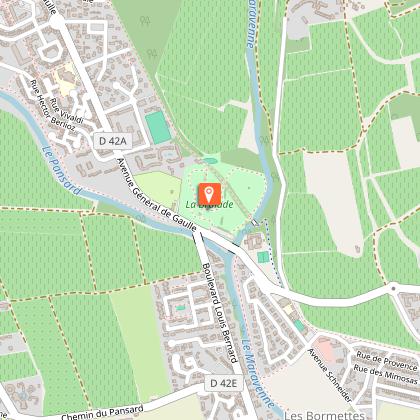
La Butinerie

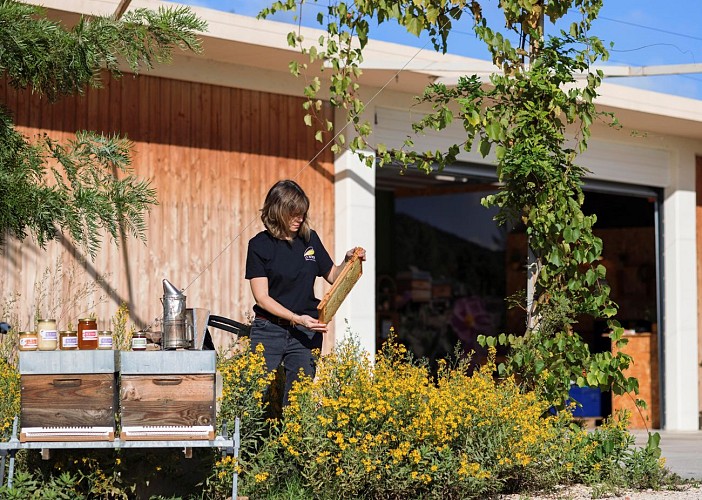
Nichée au cœur des vignes et des collines ensoleillées de Bormes-les-Mimosas, La Butinerie est bien plus qu’une simple miellerie : c’est une véritable immersion dans le monde fascinant des abeilles.Lors d’une visite sensorielle et ludique, vous découvrez la vie des abeilles, le métier de l’apiculteur, et dégustez des miels aux saveurs uniques. La Butinerie est une miellerie artisanale, fondée par Rémi et Laura Boulet, apiculteurs professionnels de père en fils depuis 1987. Le couple assure toutes les étapes de la production, de l'extraction à la mise en pot, garantissant la traçabilité et la qualité de leur miel. Les miels et autres gourmandises Au fil des saisons et des floraisons, vous pourrez déguster des miels gourmands et multimédaillés au Concours Général Agricole de Paris. Lavande, garrigue, maquis, coriandre, acacia, sarrasin… Les produits de La Butinerie sont disponibles à la miellerie, sur les marchés locaux et dans diverses boutiques partenaires. Les visites de la miellerie Les visites sont conçues comme une véritable aventure sensorielle au cœur du monde des abeilles. Vous découvrirez le rôle essentiel des abeilles et les étapes de fabrication du miel. L’expérience inclut l’observation des abeilles en toute sécurité, la découverte des outils de l’apiculteur, et bien sûr, une dégustation gourmande. Visites libres et visites guidées L'entrée est gratuite et sans réservation, même pour les visites guidées. Visites guidées : Mercredi à 10h et Jeudi à 16h. Durée 45min. Pour qui ? Adaptées à tous les âges, les visites sont à la fois pédagogiques et ludiques, idéales pour les familles, ou les curieux en quête de nature et d’authenticité. Des audioguides en français, anglais et allemand sont disponibles pour enrichir l'expérience.

1509 Chemin de l'Angueiroun 83230 Bormes-les-Mimosas
- Office de Tourisme Bormes Les Mimosas -
Consulter

Additional information

Updated by

Office de tourisme intercommunal La Londe les Maures, Cuers, Collobrières, Pierrefeu du Var - 27/11/2025
www.mpmtourisme.com
Report a problem

Open period

All year round daily.

Contact

Phone : 04 94 01 53 10

Email : bienvenue@mpmtourisme.com

Website : https://www.mpmtourisme.com

Reception complements

Log on to www.cirkwi.com and browse our selection of remarkable vegetation sites. Take a different approach to visiting the communes and the Massif de Méditerranée Porte des Maures. In one go or in stages, you can easily put together your own nature trail.

Ratings and reviews

To see around
See more
Open
Close
Show
Show
Show
Show
Show
Show
Show
Show
Show
Show
Show
Caution!
We have no information on the difficulty of this circuit. You may encounter some surprises along the way. Before you go, please feel free to inquire more and take all necessary precautions. Have a good trip! 🌳🥾