Alert

Alerts

To see around
See more
Open
Close
Show
Show
Show
Show
Show
Show
Show
Show
Show
Show
Show

Oups... It would appear that Cirkwi does not have permission to use your location.

Presentation
Description
Map
Points of interest
Ratings and reviews
See around

City tour "Limburg, Medieval City"

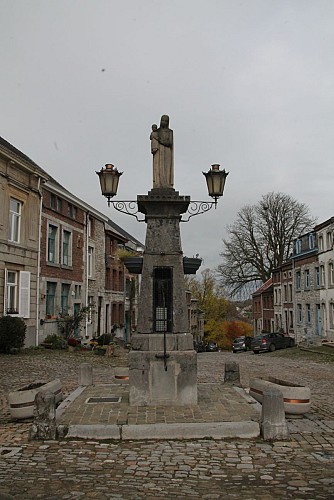
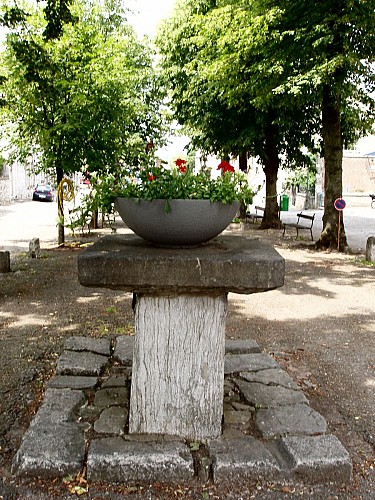
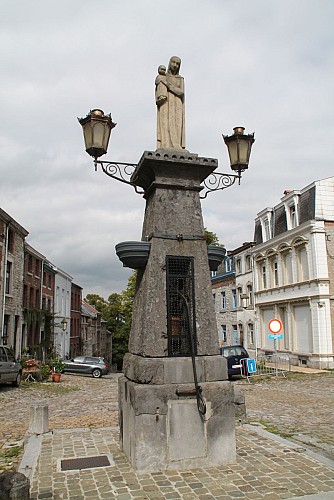
Fontaine de la Vierge_3_©Christine Simonis
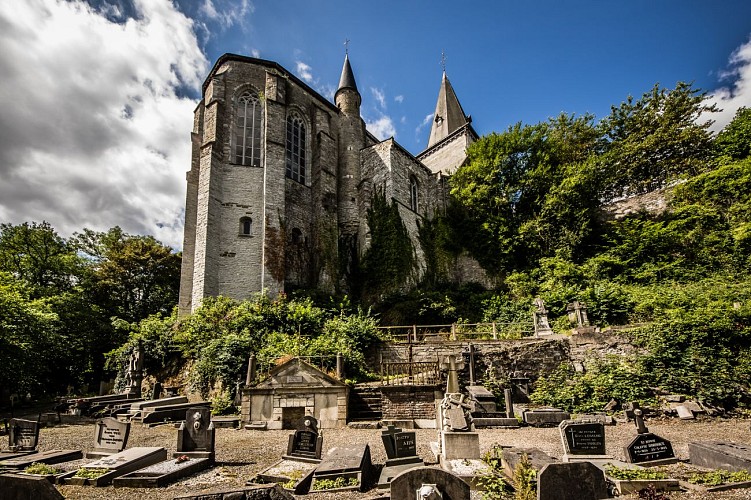
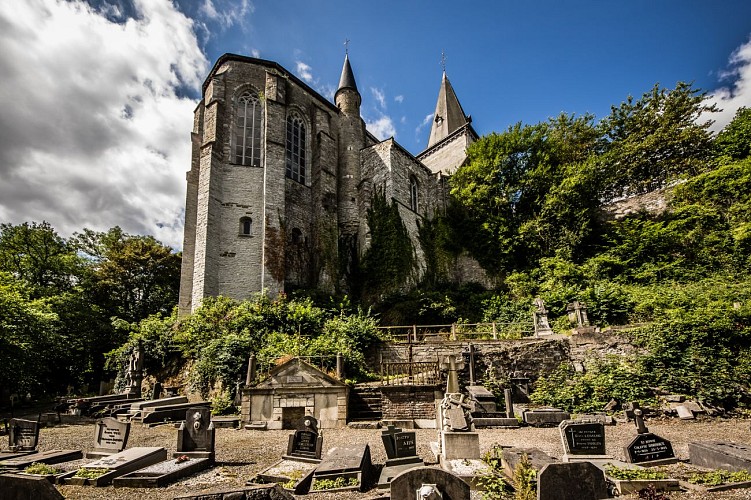
Eglise et Cimetière de Limbourg_©Patrick Outers Black Box Photo (2)
Credit : MTPV

Description

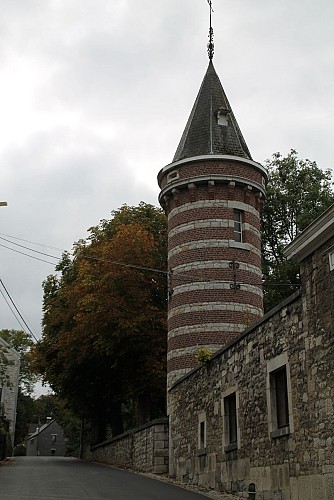
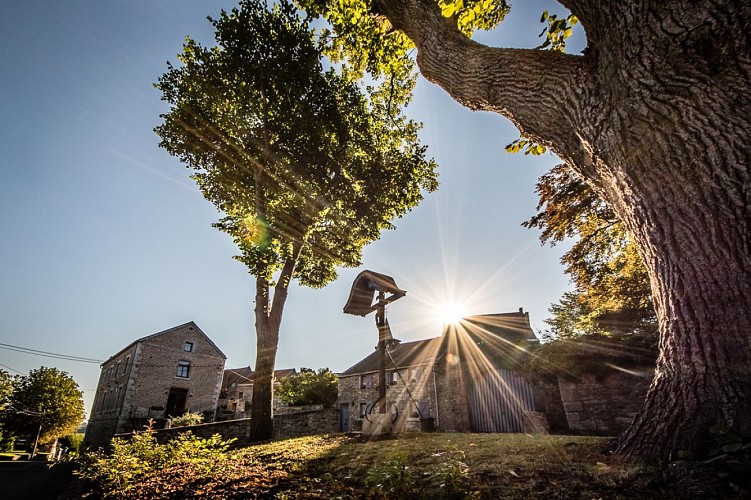
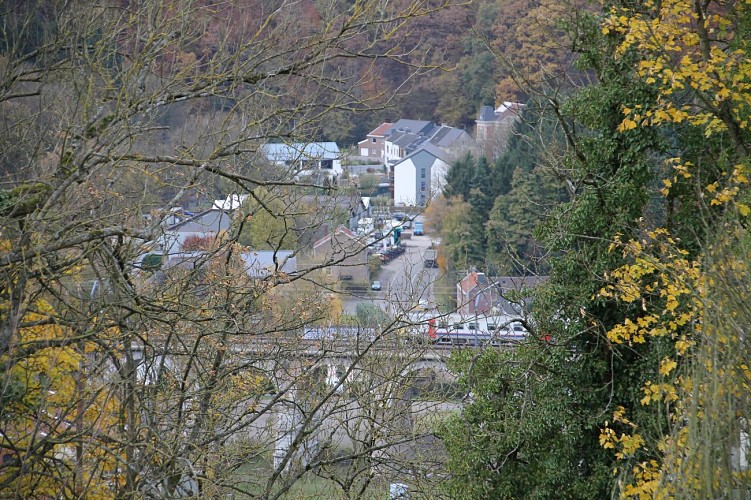
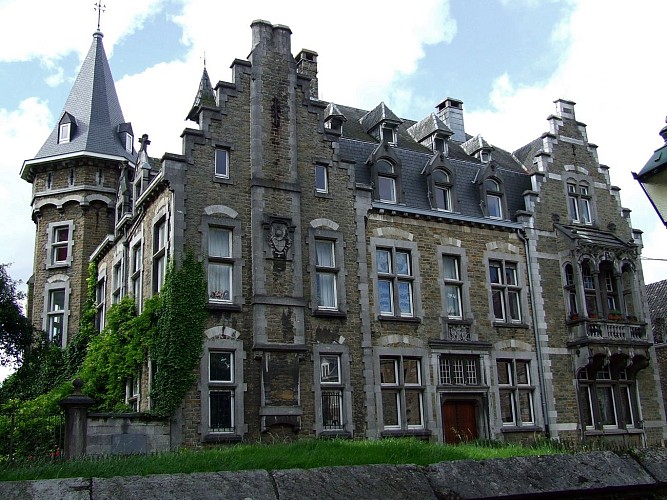
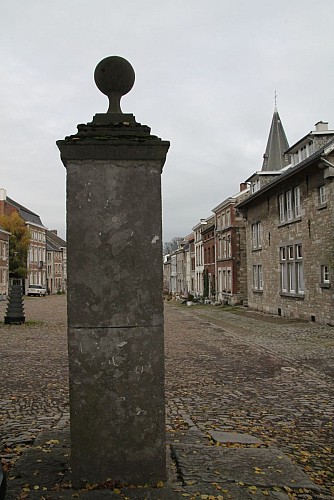
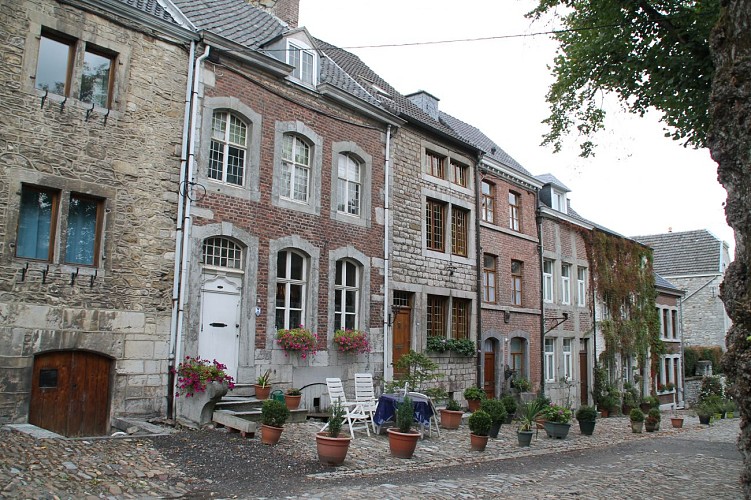
Discover the magnificent medieval village of Limburg, elected "One of the most beautiful villages in Wallonia". A lovely one-kilometre walk in the heart of this ancient Duchy to discover the most beautiful buildings in Limburg.

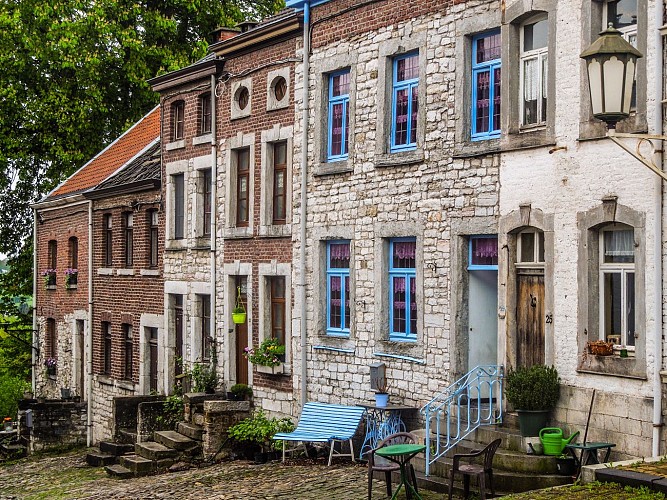
The architectural ensemble formed by the village of Limbourg was registered on the list of the exceptional real estate heritage of Wallonia on 19 July 1993. In addition, many buildings are individually listed, as well as the pavements of the square and the pavements.

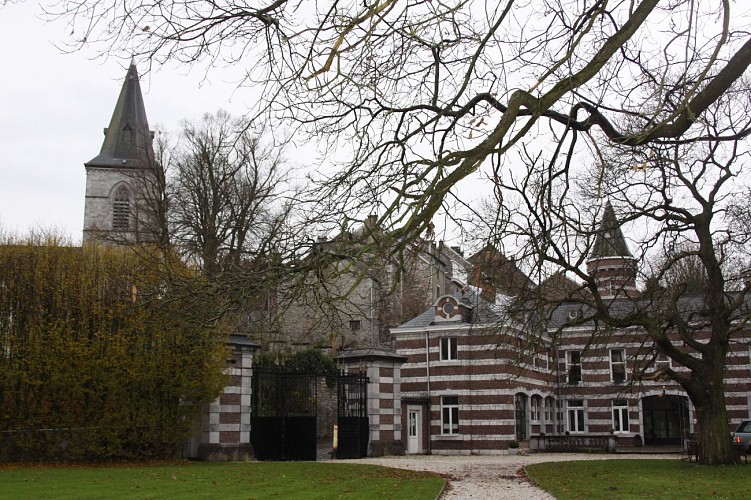
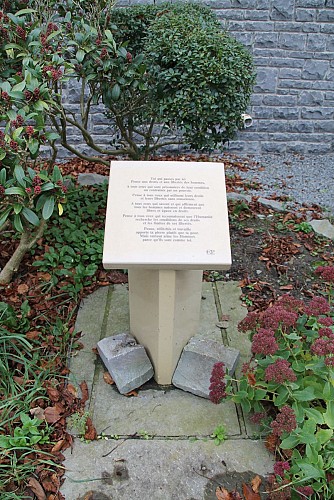
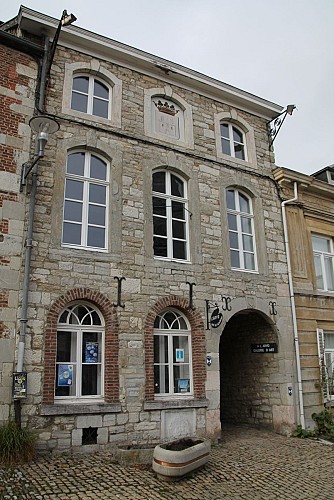
You will be amazed by the remarkable houses, the old Town Hall, the Fountain of the Virgin, the church of Saint-Georges, the castle and more...

Information: dogs allowed. Caution: accessible with a pushchair (off-road recommended).

>Download the PDF of the route< (only in french)

Also available as a printed leaflet from the Pays de Vesdre Tourist Office. 

Technical Information

Walking
Difficulty
Easy
Duration
25mn
Dist.
1 km
Show more

Altimetric profile

Starting point

59 Place Saint-Georges , 4830   Limbourg
Lat : 50.61128Lng : 5.94075

Points of interest

image du object

Le château féodal (Limbourg, ville médiévale)

The feudal castle built by Waleran, Duke of Limbourg, must already have been heavily fortified, because in 1101, it put up more than a month's resistance to the army of the German Emperor Henry IV, who had come to lay siege to it. Situated at the northernmost point of the fortified town, towering more than 80 metres above the Vesdre and Dolhain valleys, Limbourg Castle dominated the surrounding area. It was the stronghold of the stronghold. Five large towers occupied the corners of the castle.In 1504, it was almost completely destroyed by fire. It was rebuilt between 1519 and 1530. The defensive system was modified thanks to advances in the art of fortification and artillery. The ruins accumulated by successive sieges increasingly reduced the importance of the castle in the defence of the stronghold.Some of the besiegers:1578: Alexander Farnese commanded the Spanish army1632: Dutch troops1635: Spanish troops again1675: Louis XIV's army. Before handing the castle back to the Spanish, Louis XIV had the old town mined and destroyed.1703: English and Dutch armies commanded by the Duke of Marlborough1715: Charles VI, Emperor of AustriaDuring this century, the castle remained in a state of ruin and was only used as a site for a few defence batteries. The stronghold was definitively decommissioned in 1781. In 1783, the land covered in ruins of the old castle was purchased by the alderman of the High Court, J. J. Ernst.In the 19th century, Julien d'Andrimont became the owner and had a small romantic castle built, which was unfortunately destroyed by the German army on 28 August 1914. Only the buildings to the left of the gate were spared. After the war, the property passed to the architect Jean Lejaer, who installed a pergola in place of the burnt castle. Guy de Potter, a solicitor, later became the owner. He had the various buildings restored and the park landscaped.

4830 Limbourg
- Maison du Tourisme du Pays de Vesdre -
Consulter

Additional information

Signalétique (EN)

No signage

Data author

Ratings and reviews

To see around
See more
Open
Close
Show
Show
Show
Show
Show
Show
Show
Show
Show
Show
Show
Caution!
We have no information on the difficulty of this circuit. You may encounter some surprises along the way. Before you go, please feel free to inquire more and take all necessary precautions. Have a good trip! 🌳🥾