Alert
Alerts
ETAPE07-MARTRES TOLOSANE - AUTERIVE - TOUR DE LA HAUTE-GARONNE A VELO
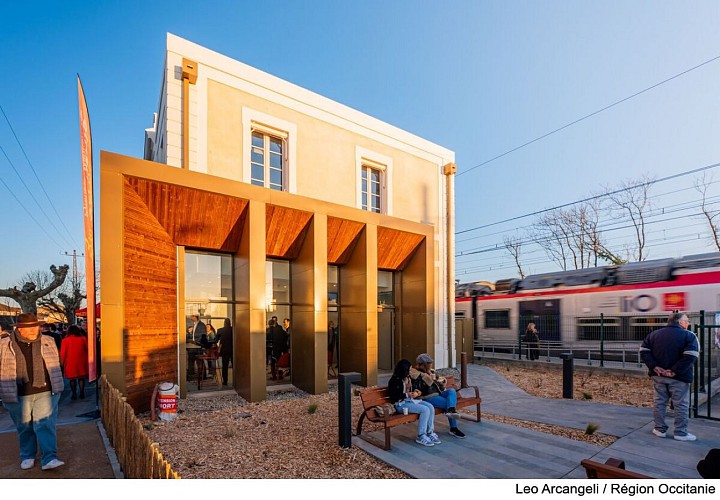
Description
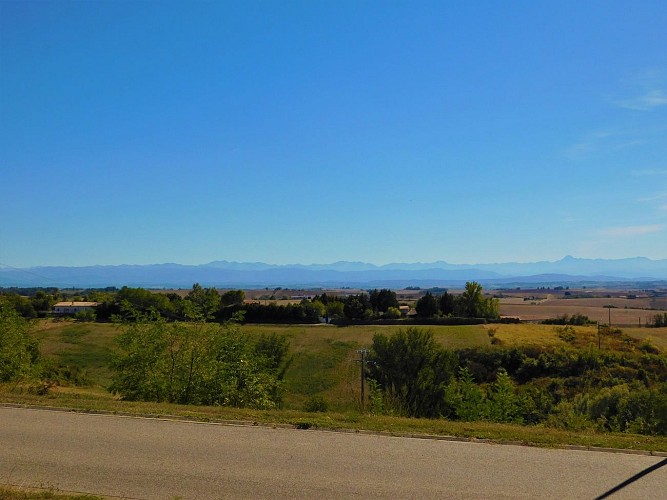
This stage offers an interesting mix of characterful villages, well-spaced out feed zones and beautiful rolling sections with views of the Pyrenees.
The Garonne is the main theme, followed by a diversion through the Lèze valley before rejoining the Ariège valley.
Architecture & heritage
- Terraced villages along the Garonne (brick churches, oculus, wall steeples).
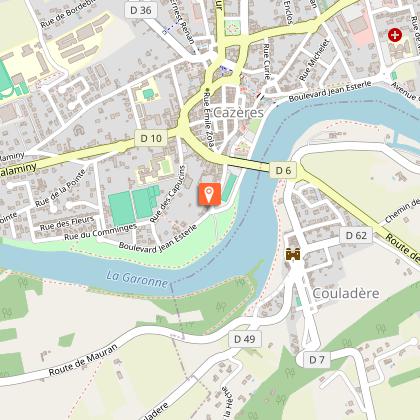
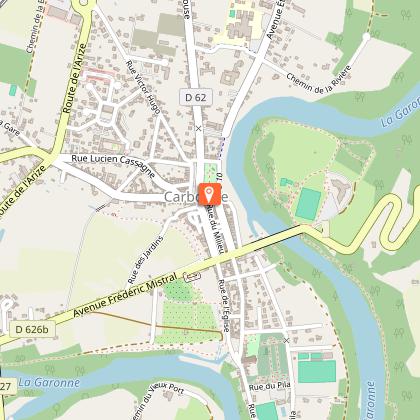
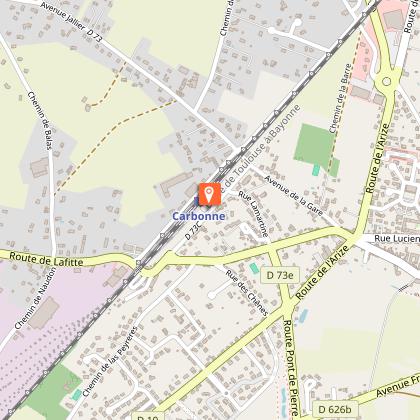
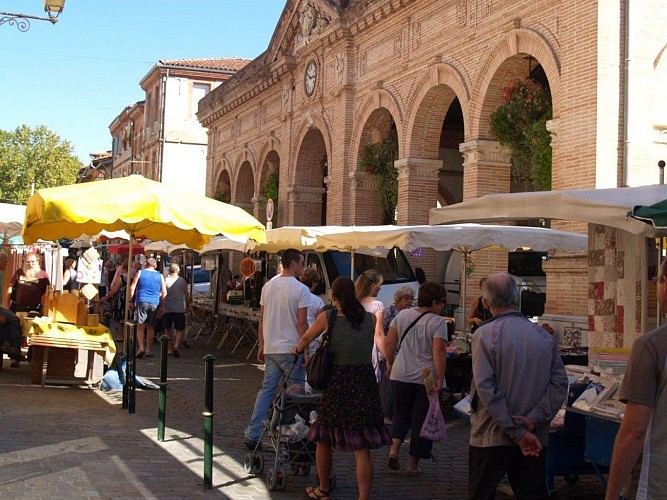
- Carbonne: terraces overlooking the Garonne, typical market hall
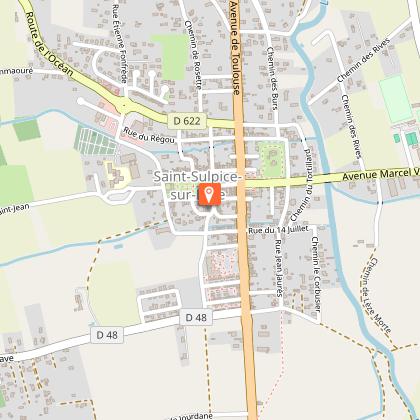
- Saint-Sulpice sur Lèze: not to be missed
- Auterive - Old town centre, bridges over the Ariège, traces of the old mills.
Landscapes
- Peaceful banks of the Garonne, then the more intimate Lèze valley.
Stops
- Guinguettes and supervised swimming areas (depending on the season and by-laws), stone fruit producers.
Photo tips
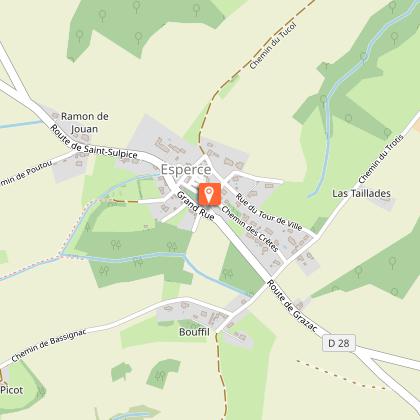
- Esperce with a superb panorama of the Pyrenees
- Shadow play in the poplar groves; end of the day on the bridges of Auterive.
From Martres-Tolosane, a Mecca for ancient mosaics, the journey takes root in a town that still bears vivid traces of the Gallo-Roman era. The Martres archaeological museum, set against the remains of a Roman villa, houses some unique artefacts that serve as a reminder of the importance of this crossroads on the Aquitaine route. Strolling through the bastide and discovering the workshops of today's ceramists extends this link between tradition and modernity.
Following the Garonne, the route winds its way through generous countryside, dotted with small rural churches, mills and bridges that bear witness to the peasant and merchant life of yesteryear. The river, a vital artery, fed the local economy, encouraging trade in timber, wine and cereals.
As you head towards the Lèze valley, you pass through a mosaic of authentic villages whose history has been marked by the passage of pilgrims on their way to Santiago de Compostela. Carbonne still has a central square lined with arcades, as well as traces of its rich trading past.
As you approach Auterive, the valley widens, giving way to the Ariège, a tumultuous tributary of the Garonne. The town, whose name literally means "by the river", has had an eventful history. Fortified since the Middle Ages, it was a strategic post at the confluence of two valleys. You can still see its ramparts, medieval houses and Saint-Paul church, whose Romanesque foundations bear witness to the religious importance of the area.
So, this stopover is not just an immersion in the nature of the valleys, but also a plunge into the history of Comminges and Volvestre, where each village tells in its own way the story of the evolution of civilisations, from Rome to the medieval bastides to the lively market towns of today.
The route takes in roads open to traffic. You'll come across crossings and junctions, as well as stretches that are more or less busy. For everyone's safety, it's essential to obey the Highway Code and keep an eye out for other road users.
Technical Information
Altimetric profile
Starting point
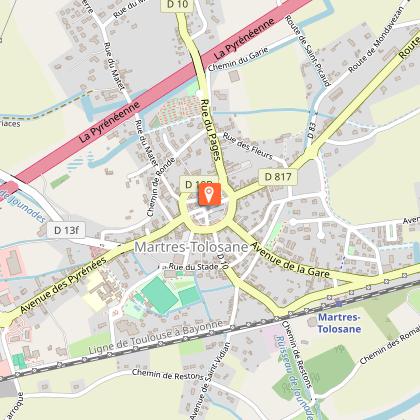
Points of interest









Additional information
Elevation gain
430
End town
AUTERIVE
Start town
MARTRES-TOLOSANE
Data producer
Contact : HAUTE-GARONNE TOURISME / OFFICE DE TOURISME COEUR DE GARONNE
This information comes from the Haute-Garonne Departmental Tourism Network and is synchronized as part of the partnership between Cirkwi and Haute-Garonne Tourisme.
Data author
