Waarschuwing
Waarschuwingen
Type oefening
Wandel
Zeer eenvoudig
1h
Presentatie
Kaart
Stappen
Punten van interesse
Cirkwi's opdracht
Beoordelingen en recensies
Zie rondom
Wandeling in Bombon
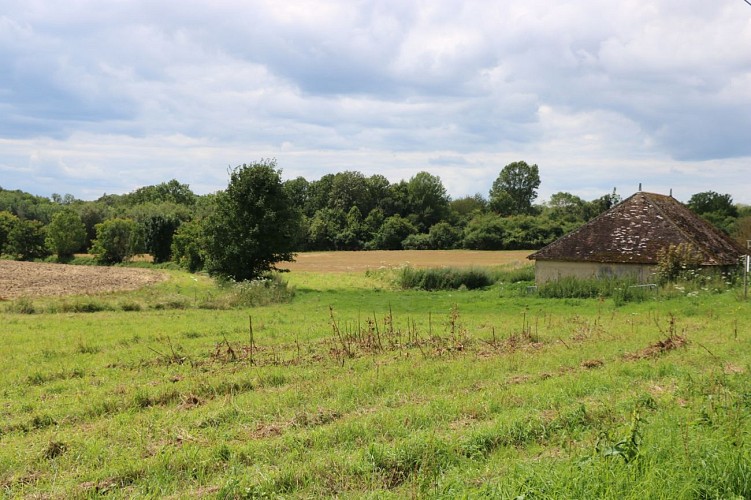
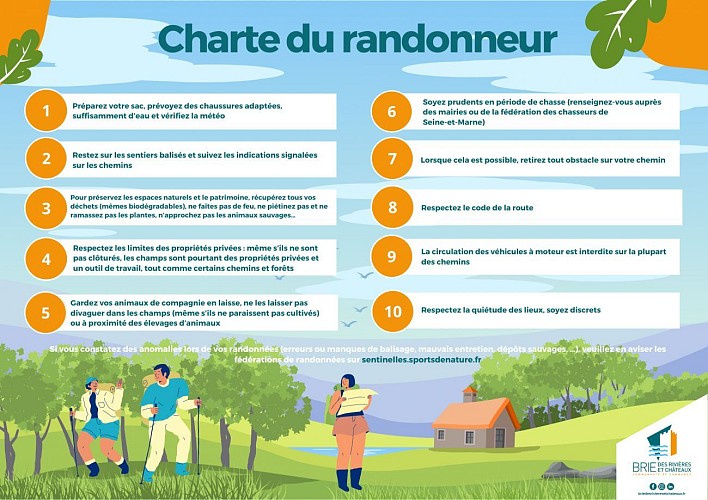
Credit : CCBRC
De Cirkwi brief
Ontdek de historische charme van Bombon te voet
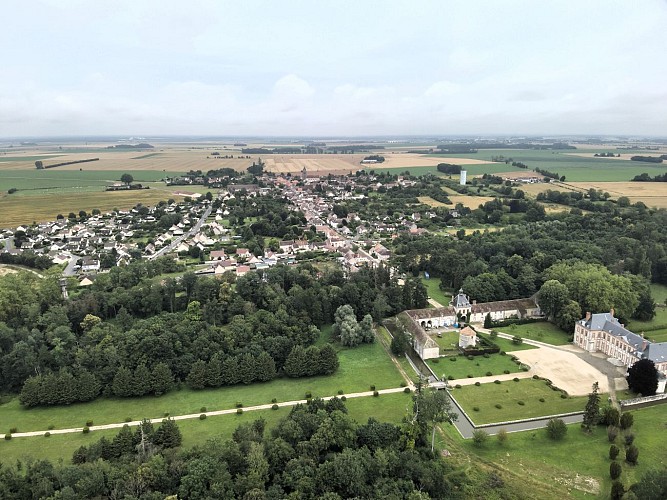
Maak een betoverende reis door de pittoreske landschappen en rijke geschiedenis van Bombon. Dit schilderachtige dorp, gelegen in het hart van de Val d'Ancœur, biedt een unieke mix van landelijke tradities en historische betekenis. Deze wandeltocht, voorgesteld door de Communauté de Communes Brie des Rivières et Châteaux, nodigt reizigers uit om zich onder te dompelen in een wijk waar wijngaarden ooit bloeiden en nu agrarische bekwaamheid heerst. Ervaar de rust van oude straatjes, verbaas je over een kerk uit de 12e eeuw en laat je betoveren door het majestueuze kasteel dat de tand des tijds heeft doorstaan. Voel de essentie van landelijk Frankrijk en zijn historische trillingen bij elke stap.
Details van de route: nummers en stijgingspercentage
Met een afstand van 2,9 km en een hoogteverschil tussen de 93 en 114 meter boven zeeniveau, is deze wandeling perfect voor enthousiastelingen van alle niveaus. De totale stijging en daling variëren lichtjes, gemarkeerd op 36 tot 38 meter, met een zachte helling. De route, samengesteld door de Communauté de Communes Brie des Rivières et Châteaux, is niet gemarkeerd, waardoor er een element van avontuur is maar toch eenvoudig is en terugkeert naar het startpunt bij de Saint-Germainkerk. Technisch gezien is deze route een uitstekende keuze voor een korte, ontspannen verkenning van de historische schatten van Bombon.
Seizoentips en veiligheidsaanbevelingen
Ongeacht het seizoen, de schoonheid van Bombon is altijd groen. Echter, de lente biedt een weelderige, levendige omgeving, waardoor het een ideaal moment is voor fotografie-enthousiastelingen. De zomer brengt de volle pracht van het platteland naar voren, hoewel gehydrateerd blijven essentieel is. De herfst omringt je met een palet aan kleuren, perfect voor ontspannen wandelingen, terwijl de winter, vaak mild, nog steeds geschikte kleding vereist voor koudere dagen. Zorg altijd voor comfortabel schoeisel en draag water bij je, vooral tijdens de warmere maanden. Maak vooraf kennis met de route om je ervaring te verbeteren en respecteer privé-eigendommen, vooral rond het kasteel.
Een wandeling door de geschiedenis van Bombon
Bombon, een parel in de regio Brie, is niet zomaar een dorp; het is een levend museum dat landelijke tradities tentoonstelt tegen de achtergrond van belangrijke historische gebeurtenissen. De aanwezigheid van het hoofdkwartier van de Geallieerde Generaals tijdens de Eerste Wereldoorlog en de strategische briljantie van Maarschalk Foch die leidde tot de overwinning van de Geallieerden, markeerden Bombon als de "Wieg van de Overwinning". Dit dorp, met zijn oude kerk en het historische kasteel, is een bewijs van de veerkracht en evolutie van landelijk Frankrijk. De architectonische en historische lagen van Bombon bieden een boeiende glimp in het verleden en verrijken de wandelervaring bij elke stap.
Regionaal weer en beste bezoektijden
Bombon heeft een gematigd klimaat, gekenmerkt door milde winters en warme zomers. Neerslag is relatief gelijkmatig verdeeld gedurende het hele jaar, waardoor Bombon een bestemming is die het hele jaar door bezocht kan worden. De beste tijd om te bezoeken is echter tussen het late voorjaar en het vroege najaar, wanneer het weer het meest gunstig is om te wandelen. Tijdens deze maanden zijn de temperaturen aangenaam en bereikt het natuurlijke landschap zijn hoogtepunt, waardoor een ongeëvenaarde wandelervaring door de historische en natuurlijke landschappen van Bombon wordt geboden.
Maak een betoverende reis door de pittoreske landschappen en rijke geschiedenis van Bombon. Dit schilderachtige dorp, gelegen in het hart van de Val d'Ancœur, biedt een unieke mix van landelijke tradities en historische betekenis. Deze wandeltocht, voorgesteld door de Communauté de Communes Brie des Rivières et Châteaux, nodigt reizigers uit om zich onder te dompelen in een wijk waar wijngaarden ooit bloeiden en nu agrarische bekwaamheid heerst. Ervaar de rust van oude straatjes, verbaas je over een kerk uit de 12e eeuw en laat je betoveren door het majestueuze kasteel dat de tand des tijds heeft doorstaan. Voel de essentie van landelijk Frankrijk en zijn historische trillingen bij elke stap.
Details van de route: nummers en stijgingspercentage
Met een afstand van 2,9 km en een hoogteverschil tussen de 93 en 114 meter boven zeeniveau, is deze wandeling perfect voor enthousiastelingen van alle niveaus. De totale stijging en daling variëren lichtjes, gemarkeerd op 36 tot 38 meter, met een zachte helling. De route, samengesteld door de Communauté de Communes Brie des Rivières et Châteaux, is niet gemarkeerd, waardoor er een element van avontuur is maar toch eenvoudig is en terugkeert naar het startpunt bij de Saint-Germainkerk. Technisch gezien is deze route een uitstekende keuze voor een korte, ontspannen verkenning van de historische schatten van Bombon.
Seizoentips en veiligheidsaanbevelingen
Ongeacht het seizoen, de schoonheid van Bombon is altijd groen. Echter, de lente biedt een weelderige, levendige omgeving, waardoor het een ideaal moment is voor fotografie-enthousiastelingen. De zomer brengt de volle pracht van het platteland naar voren, hoewel gehydrateerd blijven essentieel is. De herfst omringt je met een palet aan kleuren, perfect voor ontspannen wandelingen, terwijl de winter, vaak mild, nog steeds geschikte kleding vereist voor koudere dagen. Zorg altijd voor comfortabel schoeisel en draag water bij je, vooral tijdens de warmere maanden. Maak vooraf kennis met de route om je ervaring te verbeteren en respecteer privé-eigendommen, vooral rond het kasteel.
Een wandeling door de geschiedenis van Bombon
Bombon, een parel in de regio Brie, is niet zomaar een dorp; het is een levend museum dat landelijke tradities tentoonstelt tegen de achtergrond van belangrijke historische gebeurtenissen. De aanwezigheid van het hoofdkwartier van de Geallieerde Generaals tijdens de Eerste Wereldoorlog en de strategische briljantie van Maarschalk Foch die leidde tot de overwinning van de Geallieerden, markeerden Bombon als de "Wieg van de Overwinning". Dit dorp, met zijn oude kerk en het historische kasteel, is een bewijs van de veerkracht en evolutie van landelijk Frankrijk. De architectonische en historische lagen van Bombon bieden een boeiende glimp in het verleden en verrijken de wandelervaring bij elke stap.
Regionaal weer en beste bezoektijden
Bombon heeft een gematigd klimaat, gekenmerkt door milde winters en warme zomers. Neerslag is relatief gelijkmatig verdeeld gedurende het hele jaar, waardoor Bombon een bestemming is die het hele jaar door bezocht kan worden. De beste tijd om te bezoeken is echter tussen het late voorjaar en het vroege najaar, wanneer het weer het meest gunstig is om te wandelen. Tijdens deze maanden zijn de temperaturen aangenaam en bereikt het natuurlijke landschap zijn hoogtepunt, waardoor een ongeëvenaarde wandelervaring door de historische en natuurlijke landschappen van Bombon wordt geboden.
Automatisch gegenereerd.
Technische informatie
Wandel
Moeilijkheid
Zeer eenvoudig
Duur
1h
Afstand
3 km
Type oefening
Wandel
Zeer eenvoudig
1h
Meer informatie tonen
Hoogteprofiel
Startpunt
9
Place de l'église
,
77720
Bombon
Lat : 48.574463Lng : 2.858589
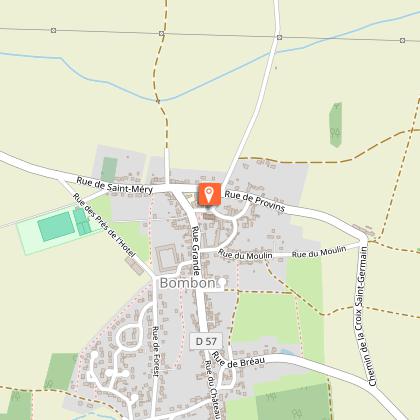
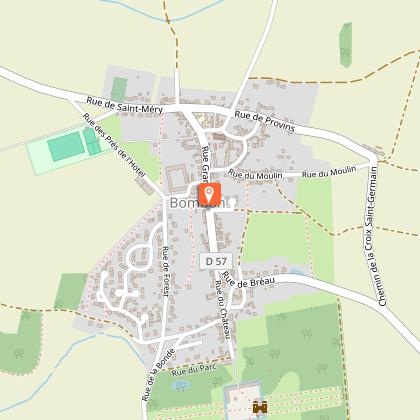
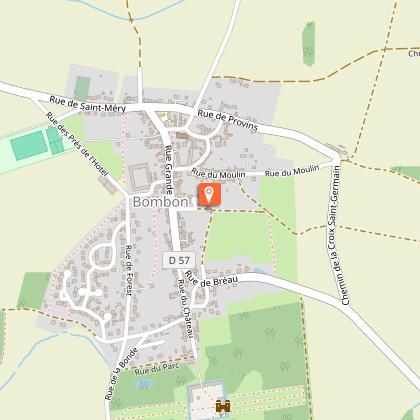
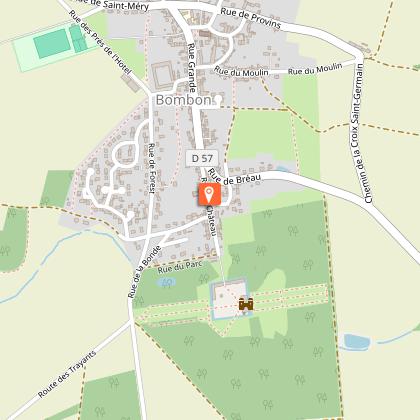
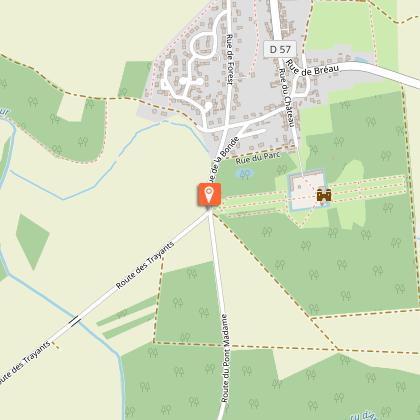
Punten van interesse


Gegevensauteur

voorgesteld door
Communauté de Communes Brie des Rivières et Châteaux
1 rue des Petits Champs 77820 Le Châtelet-en-Brie France
Beoordelingen en recensies
Om te zien rondom