Allarme
Allarmi
Tipo di pratica
A piedi
Medio
4h30mn
Presentazione
Mappa
Punti di interesse
Sintesi di Cirkwi
Valutazioni e recensioni
Vedi nei dintorni
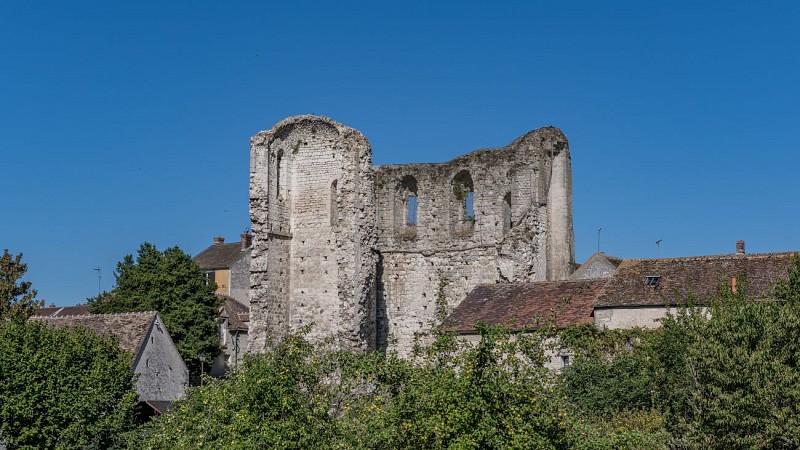
La Commanderie de Beauvais-en-Gâtinais


Credito : OT Pays de Nemours
Il breve di Cirkwi
Esplora il fascino medievale: viaggio da Grez-sur-Loing a Nemours
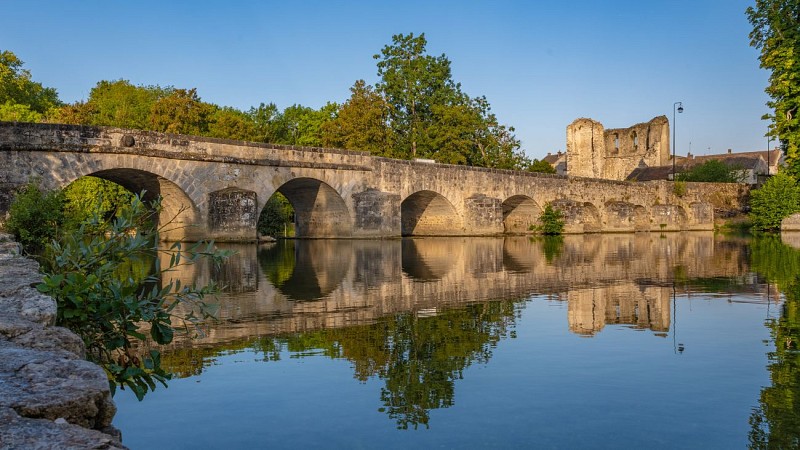
Immagina di intraprendere un viaggio dal pittoresco villaggio di Grez-sur-Loing, avvolto nello splendore storico, alla vivace cittadina di Nemours, un santuario di eredità medievale. Questo itinerario unico, offerto dall'Office de Tourisme du Pays de Nemours, è una miscela di tranquille passeggiate nella foresta della Commanderie, simile a quella di Fontainebleau, e di tranquille passeggiate lungo il pacifico fiume Loing. Scopri i resti del grande feudalesimo a Beauvais-en-Gâtinais e assisti alla fusione tra il patrimonio artistico e la bellezza naturale che una volta ha incantato numerosi pittori. Questa avventura promette più di una semplice passeggiata; offre un'immersione completa nell'anima della Francia.
Breve panoramica tecnica dell'itinerario
Questo viaggio copre circa 17,6 chilometri, iniziando a un'altitudine modesta di 55 metri e raggiungendo il picco di 84 metri. Il percorso tracciato attraverso questo paesaggio storico e naturale rappresenta una sfida moderata, evidenziata da un guadagno di altitudine cumulativo che varia da 103 a 316 metri. Tali variazioni sottolineano i diversi terreni del viaggio, dalle fitte foreste ai tranquilli sentieri lungo il fiume, rendendo indispensabile che i partecipanti siano adeguatamente preparati sia per le salite che per le discese.
Suggerimenti stagionali e misure di sicurezza
Intraprendere questa escursione richiede una preparazione attenta, adattata alla stagione. Durante la primavera e l'estate, è essenziale indossare abiti leggeri e protezione solare per far fronte alle condizioni più calde, mentre l'autunno richiede strati e abbigliamento impermeabile contro possibili piogge. Gli avventurieri invernali devono armarsi di abbigliamento termico e verificare il meteo per eventuali avvisi. Indossa sempre calzature robuste per i terreni misti e porta acqua. Per garantire la sicurezza, informa qualcuno del tuo percorso e dell'orario previsto di ritorno, specialmente quando percorri sentieri meno frequentati.
Significato storico di Grez-sur-Loing e Nemours
Grez-sur-Loing e Nemours non sono solo tappe su una mappa, ma luoghi ricchi di storia e eredità artistica. Grez-sur-Loing è stata musa ispiratrice per innumerevoli pittori del XIX secolo, attratti dalla sua bellezza panoramica contrapposta al tranquillo Loing e alla Foresta di Fontainebleau. Nemours vanta un passato medievale, con il suo Ducato e l'importanza strategica della città nei secoli. Questa regione, abbracciata dalla natura e dalla storia, serve da ponte verso il passato, invitando gli esploratori a percorrere sentieri immersi nel tempo.
Meteo regionale e tempistiche di visita
Il clima in questa regione della Francia è caratterizzato da stagioni ben distinte, rendendola una destinazione tutto l'anno. La primavera e l'autunno sono miti e vibranti, ideali per coloro che desiderano godere della tavolozza della natura e di minor affluenza turistica. Le estati sono calde, perfette per giornate più lunghe all'aperto, mentre gli inverni, sebbene più freschi, offrono una prospettiva unica della serena bellezza del paesaggio. Per un'esperienza ottimale, si consigliano i mesi di primavera e inizio autunno, unendo un clima piacevole alla ricchezza naturale e storica di Grez-sur-Loing e Nemours.
Immagina di intraprendere un viaggio dal pittoresco villaggio di Grez-sur-Loing, avvolto nello splendore storico, alla vivace cittadina di Nemours, un santuario di eredità medievale. Questo itinerario unico, offerto dall'Office de Tourisme du Pays de Nemours, è una miscela di tranquille passeggiate nella foresta della Commanderie, simile a quella di Fontainebleau, e di tranquille passeggiate lungo il pacifico fiume Loing. Scopri i resti del grande feudalesimo a Beauvais-en-Gâtinais e assisti alla fusione tra il patrimonio artistico e la bellezza naturale che una volta ha incantato numerosi pittori. Questa avventura promette più di una semplice passeggiata; offre un'immersione completa nell'anima della Francia.
Breve panoramica tecnica dell'itinerario
Questo viaggio copre circa 17,6 chilometri, iniziando a un'altitudine modesta di 55 metri e raggiungendo il picco di 84 metri. Il percorso tracciato attraverso questo paesaggio storico e naturale rappresenta una sfida moderata, evidenziata da un guadagno di altitudine cumulativo che varia da 103 a 316 metri. Tali variazioni sottolineano i diversi terreni del viaggio, dalle fitte foreste ai tranquilli sentieri lungo il fiume, rendendo indispensabile che i partecipanti siano adeguatamente preparati sia per le salite che per le discese.
Suggerimenti stagionali e misure di sicurezza
Intraprendere questa escursione richiede una preparazione attenta, adattata alla stagione. Durante la primavera e l'estate, è essenziale indossare abiti leggeri e protezione solare per far fronte alle condizioni più calde, mentre l'autunno richiede strati e abbigliamento impermeabile contro possibili piogge. Gli avventurieri invernali devono armarsi di abbigliamento termico e verificare il meteo per eventuali avvisi. Indossa sempre calzature robuste per i terreni misti e porta acqua. Per garantire la sicurezza, informa qualcuno del tuo percorso e dell'orario previsto di ritorno, specialmente quando percorri sentieri meno frequentati.
Significato storico di Grez-sur-Loing e Nemours
Grez-sur-Loing e Nemours non sono solo tappe su una mappa, ma luoghi ricchi di storia e eredità artistica. Grez-sur-Loing è stata musa ispiratrice per innumerevoli pittori del XIX secolo, attratti dalla sua bellezza panoramica contrapposta al tranquillo Loing e alla Foresta di Fontainebleau. Nemours vanta un passato medievale, con il suo Ducato e l'importanza strategica della città nei secoli. Questa regione, abbracciata dalla natura e dalla storia, serve da ponte verso il passato, invitando gli esploratori a percorrere sentieri immersi nel tempo.
Meteo regionale e tempistiche di visita
Il clima in questa regione della Francia è caratterizzato da stagioni ben distinte, rendendola una destinazione tutto l'anno. La primavera e l'autunno sono miti e vibranti, ideali per coloro che desiderano godere della tavolozza della natura e di minor affluenza turistica. Le estati sono calde, perfette per giornate più lunghe all'aperto, mentre gli inverni, sebbene più freschi, offrono una prospettiva unica della serena bellezza del paesaggio. Per un'esperienza ottimale, si consigliano i mesi di primavera e inizio autunno, unendo un clima piacevole alla ricchezza naturale e storica di Grez-sur-Loing e Nemours.
Generato automaticamente.
IGN Carte

2417OTR - FORÊT DE FONTAINEBLEAU RESISTANTE FORET DES TROIS PIGNONS
Editore : IGN
Collezione : TOP 25 RÉSISTANTE
Scala : 1:25 000
17.20€

2417OT - FORÊT DE FONTAINEBLEAU FORÊT DES TROIS PIGNONS
Editore : IGN
Collezione : TOP 25 ET SÉRIE BLEUE
Scala : 1:25 000
13.90€
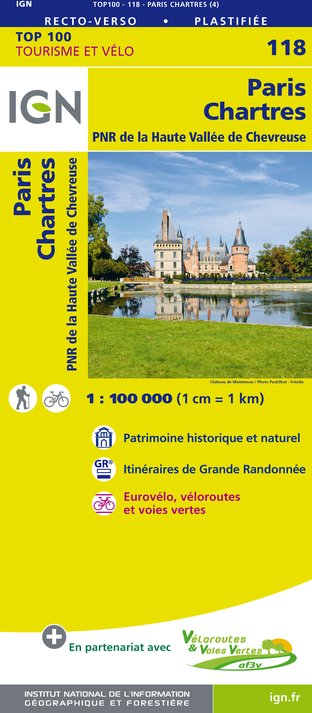
118 PARIS CHARTRES PNR DE LA HAUTE VALLÉE DE CHEVREUSE
Editore : IGN
Collezione : TOP 100
Scala : 1:100 000
8.40€

119 PARIS SENS PNR DU GÂTINAIS FRANÇAIS
Editore : IGN
Collezione : TOP 100
Scala : 1:100 000
8.40€
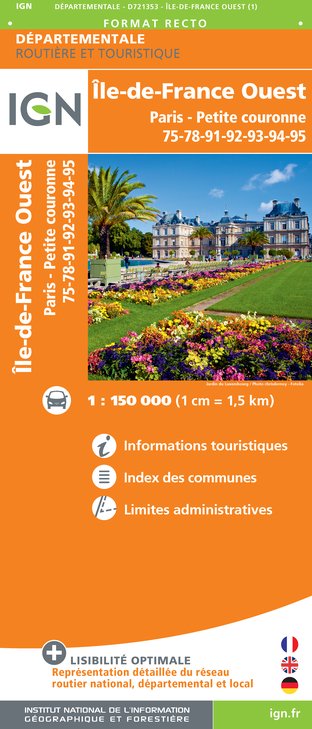
D75-95 ÎLE-DE-FRANCE OUEST
Editore : IGN
Collezione : CARTES DÉPARTEMENTALES IGN
Scala : 1:150 000
5.90€
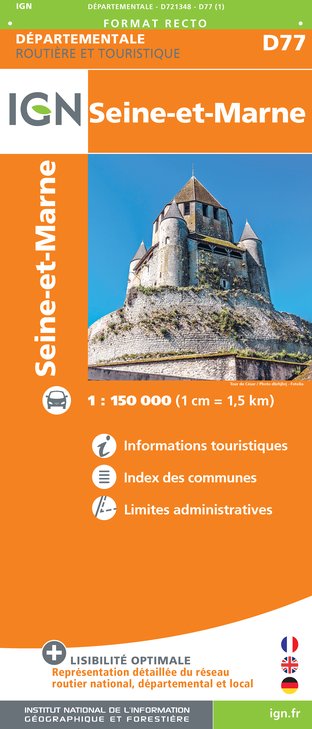
D77 SEINE-ET-MARNE
Editore : IGN
Collezione : CARTES DÉPARTEMENTALES IGN
Scala : 1:150 000
5.90€

D41-45 LOIR-ET-CHER LOIRET
Editore : IGN
Collezione : CARTES DÉPARTEMENTALES IGN
Scala : 1:150 000
5.90€
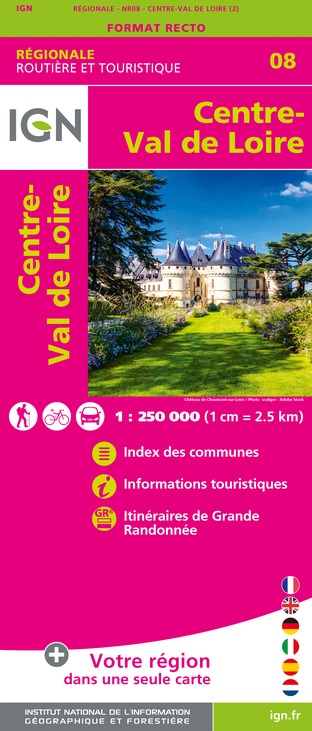
NR08 CENTRE-VAL DE LOIRE
Editore : IGN
Collezione : CARTES RÉGIONALES IGN
Scala : 1:250 000
6.80€
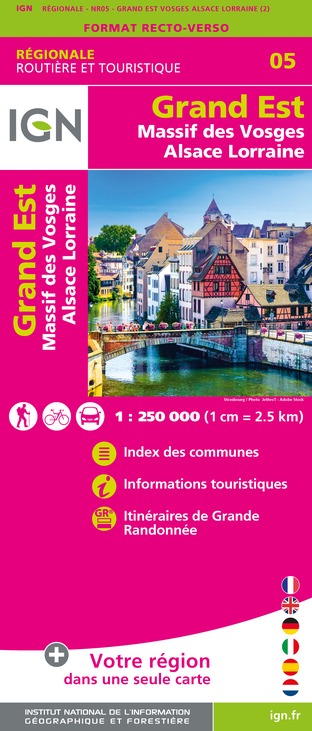
NR05 GRAND EST RECTO/VERSO MASSIF DES VOSGES ALSACE LORRAINE
Editore : IGN
Collezione : CARTES RÉGIONALES IGN
Scala : 1:250 000
6.80€

NR03 ÍLE DE FRANCE
Editore : IGN
Collezione : CARTES RÉGIONALES IGN
Scala : 1:250 000
6.80€

NR04 - GRAND EST RECTO/VERSO ARDENNE CHAMPAGNE
Editore : IGN
Collezione : CARTES RÉGIONALES IGN
Scala : 1:250 000
6.80€
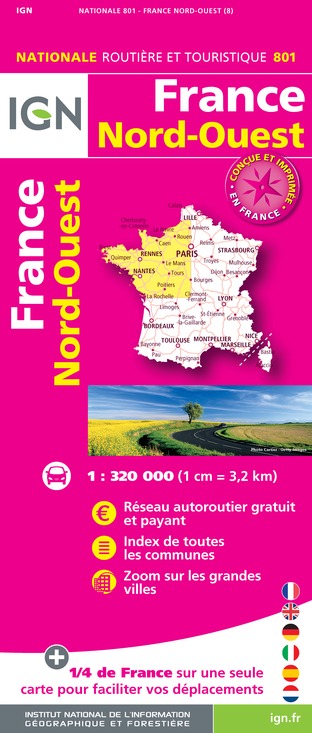
801 FRANCE NORD OUEST
Editore : IGN
Collezione : CARTES NATIONALES IGN
Scala : 1:320 000
6.10€
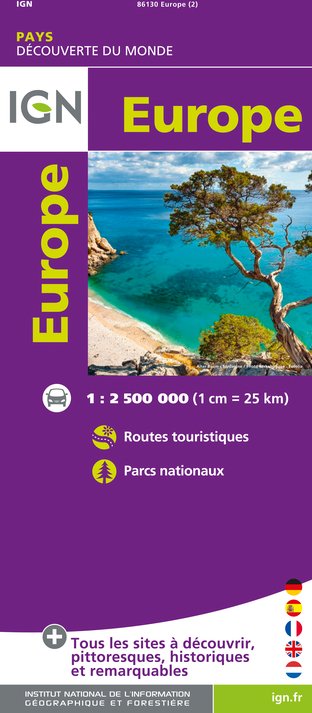
EUROPE
Editore : IGN
Collezione : DÉCOUVERTE DES PAYS DU MONDE IGN
Scala : 1:2 500 000
7.00€
Informazioni tecniche
A piedi
Difficoltà
Medio
Durata
4h30mn
Dist.
18 km
Tipo di pratica
A piedi
Medio
4h30mn
Mostra di più
Profilo altimetrico
Punto di partenza
16
Parking des terrains de sport
,
77880
Grez-sur-Loing
Lat : 48.31459Lng : 2.697023
Punti di interesse

Autore dei dati

proposto da
Office de Tourisme du Pays de Nemours
28 rue Gautier 1er 77140 Nemours France
Valutazioni e recensioni
Da vedere nei dintorni