Allarme
Allarmi
Tipo di pratica
A piedi
Molto facile
1h45mn
Presentazione
Mappa
Tappe
Punti di interesse
Sintesi di Cirkwi
Valutazioni e recensioni
Vedi nei dintorni
Passeggiata a Champeaux
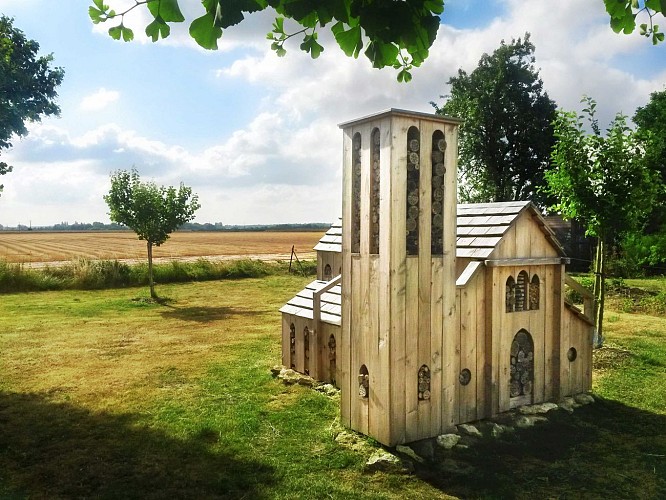
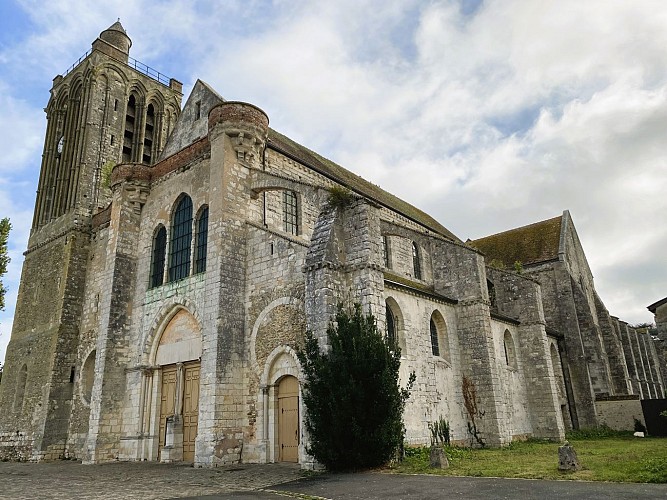
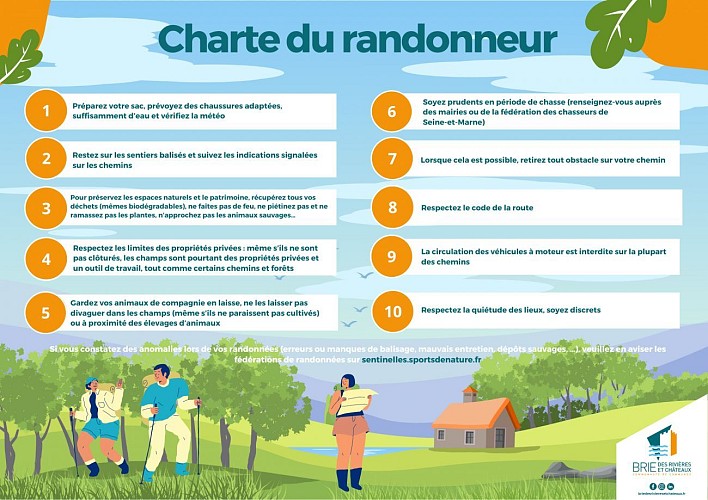
Credito : Yves Lagües-Baget
Il breve di Cirkwi
Scopri Champeaux: un viaggio tra storia e natura
Intraprendere un viaggio attraverso Champeaux offre più di una semplice passeggiata; offre l'opportunità di immergersi in una storia e una natura armoniosamente intrecciate. L'itinerario, creato dalla Communauté de Communes Brie des Rivières et Châteaux, porta gli avventurieri dalla maestosa Collégiale Saint-Martin, faro degli studi teologici medievali, ai sereni sentieri lungo il ru de l'Ancœur. Mentre ti muovi, l'essenza del passato di Champeaux sussurra, con ogni passo che rivela l'abilità delle epoche passate e la bellezza intatta del paesaggio. Questo villaggio, crogiolo di eredità e cultura, racchiude l'anima della regione di Brie, rendendo ogni visita un incontro profondo con la storia.
Breva panoramica tecnica dell'itinerario
Coprendo una distanza di 3,6 km, questo percorso tranquillo è caratterizzato da un minimo cambiamento di elevazione, che oscilla tra gli 85 e i 99 metri. Si stima che il viaggio dalla partenza al traguardo richieda circa 1 ora e 15 minuti, adattandosi a tutti i ritmi dei camminatori. Senza segnali specifici, si consiglia ai partecipanti di seguire le dettagliate indicazioni fornite, garantendo una fluida esplorazione dei luoghi di interesse di Champeaux. Questo percorso facile, con un dislivello positivo totale di 40 metri, offre un'esperienza inclusiva per gli appassionati in cerca di approfondimenti storici e bellezza naturale.
Consigli stagionali per gli esploratori di Champeaux
Indipendentemente dalla stagione, l'itinerario di Champeaux offre fascini unici. Durante la primavera, la flora in fiore intorno al Château d'Aunoy e alla Collégiale Saint-Martin crea uno scenario pittoresco per gli escursionisti. L'estate è il momento ideale per esplorazioni prolungate, con le lunghe ore di luce che illuminano il percorso. Tuttavia, è consigliabile portare acqua e protezione solare. L'autunno porta una cascata di colori, trasformando l'itinerario in un mosaico di tonalità oro e rosse, perfetto per la fotografia. In inverno, anche se il sentiero rimane accessibile, assicurati di indossare calzature adeguate per i possibili percorsi scivolosi. Verifica sempre le condizioni meteorologiche prima della visita.
Cuore culturale della regione di Brie
Champeaux, incastonata nella scenografica regione di Brie, rappresenta una testimonianza di significato storico e culturale duraturo. Il punto forte, la Collégiale Saint-Martin, non è solo una meraviglia architettonica, ma anche un faro di progresso teologico ed educativo del Medioevo. Questo piccolo ma cruciale villaggio è stato un crocevia nella Val d'Ancœur, testimoniando il ricco tessuto dell'evoluzione storica della Francia. La giustapposizione di antichi siti patrimonio accanto allo sfondo pittoresco del paesaggio di Brie sottolinea il ruolo vitale di Champeaux nelle narrazioni culturali e storiche francesi.
Periodo ottimale per le visite a Champeaux
Il clima nella regione di Champeaux è generalmente mite, contraddistinto da distinti cambiamenti stagionali che regalano il loro fascino al paesaggio. Il momento ideale per visitare va dalla tarda primavera all'inizio dell'autunno, quando le temperature sono piacevoli e il rischio di condizioni meteorologiche avverse è più basso. Questo periodo permette di apprezzare appieno la bellezza naturale e architettonica che Champeaux ha da offrire. Che si tratti della vivacità dello sbocciare della primavera o del tepore dolce dell'autunno, ogni stagione a Champeaux regala un'esperienza unica e memorabile ai visitatori.
Intraprendere un viaggio attraverso Champeaux offre più di una semplice passeggiata; offre l'opportunità di immergersi in una storia e una natura armoniosamente intrecciate. L'itinerario, creato dalla Communauté de Communes Brie des Rivières et Châteaux, porta gli avventurieri dalla maestosa Collégiale Saint-Martin, faro degli studi teologici medievali, ai sereni sentieri lungo il ru de l'Ancœur. Mentre ti muovi, l'essenza del passato di Champeaux sussurra, con ogni passo che rivela l'abilità delle epoche passate e la bellezza intatta del paesaggio. Questo villaggio, crogiolo di eredità e cultura, racchiude l'anima della regione di Brie, rendendo ogni visita un incontro profondo con la storia.
Breva panoramica tecnica dell'itinerario
Coprendo una distanza di 3,6 km, questo percorso tranquillo è caratterizzato da un minimo cambiamento di elevazione, che oscilla tra gli 85 e i 99 metri. Si stima che il viaggio dalla partenza al traguardo richieda circa 1 ora e 15 minuti, adattandosi a tutti i ritmi dei camminatori. Senza segnali specifici, si consiglia ai partecipanti di seguire le dettagliate indicazioni fornite, garantendo una fluida esplorazione dei luoghi di interesse di Champeaux. Questo percorso facile, con un dislivello positivo totale di 40 metri, offre un'esperienza inclusiva per gli appassionati in cerca di approfondimenti storici e bellezza naturale.
Consigli stagionali per gli esploratori di Champeaux
Indipendentemente dalla stagione, l'itinerario di Champeaux offre fascini unici. Durante la primavera, la flora in fiore intorno al Château d'Aunoy e alla Collégiale Saint-Martin crea uno scenario pittoresco per gli escursionisti. L'estate è il momento ideale per esplorazioni prolungate, con le lunghe ore di luce che illuminano il percorso. Tuttavia, è consigliabile portare acqua e protezione solare. L'autunno porta una cascata di colori, trasformando l'itinerario in un mosaico di tonalità oro e rosse, perfetto per la fotografia. In inverno, anche se il sentiero rimane accessibile, assicurati di indossare calzature adeguate per i possibili percorsi scivolosi. Verifica sempre le condizioni meteorologiche prima della visita.
Cuore culturale della regione di Brie
Champeaux, incastonata nella scenografica regione di Brie, rappresenta una testimonianza di significato storico e culturale duraturo. Il punto forte, la Collégiale Saint-Martin, non è solo una meraviglia architettonica, ma anche un faro di progresso teologico ed educativo del Medioevo. Questo piccolo ma cruciale villaggio è stato un crocevia nella Val d'Ancœur, testimoniando il ricco tessuto dell'evoluzione storica della Francia. La giustapposizione di antichi siti patrimonio accanto allo sfondo pittoresco del paesaggio di Brie sottolinea il ruolo vitale di Champeaux nelle narrazioni culturali e storiche francesi.
Periodo ottimale per le visite a Champeaux
Il clima nella regione di Champeaux è generalmente mite, contraddistinto da distinti cambiamenti stagionali che regalano il loro fascino al paesaggio. Il momento ideale per visitare va dalla tarda primavera all'inizio dell'autunno, quando le temperature sono piacevoli e il rischio di condizioni meteorologiche avverse è più basso. Questo periodo permette di apprezzare appieno la bellezza naturale e architettonica che Champeaux ha da offrire. Che si tratti della vivacità dello sbocciare della primavera o del tepore dolce dell'autunno, ogni stagione a Champeaux regala un'esperienza unica e memorabile ai visitatori.
Generato automaticamente.
Informazioni tecniche
A piedi
Difficoltà
Molto facile
Durata
1h45mn
Dist.
4.9 km
Tipo di pratica
A piedi
Molto facile
1h45mn
Mostra di più
Profilo altimetrico
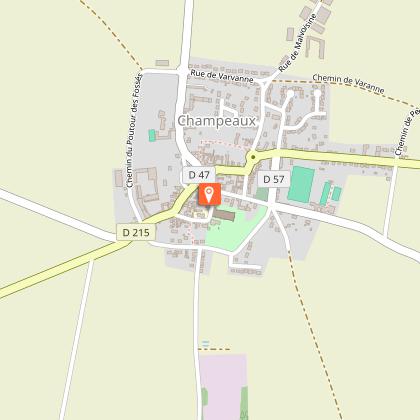
Punto di partenza
13
5 Place du Cloître
,
77720
Champeaux
Lat : 48.583437Lng : 2.806594
Tappe
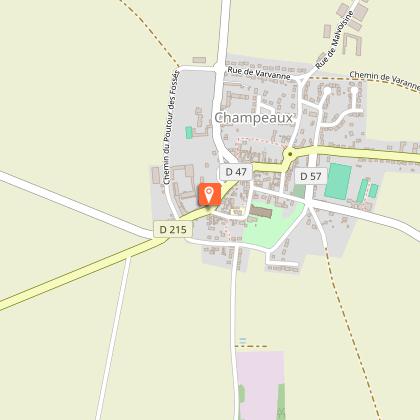
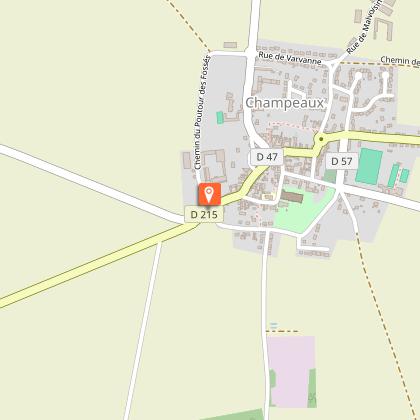
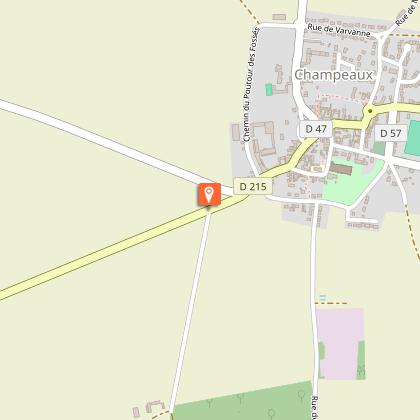
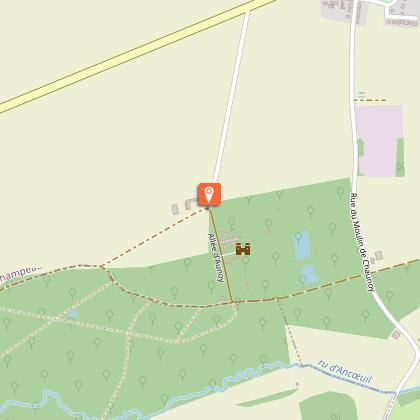
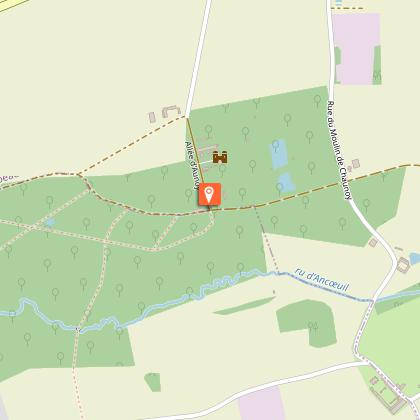
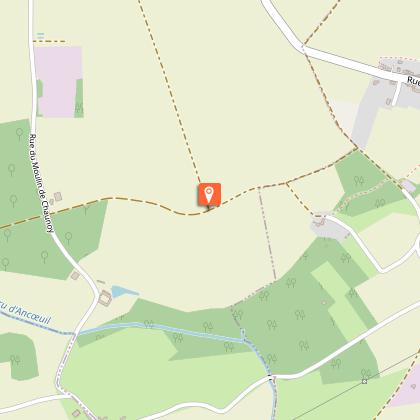
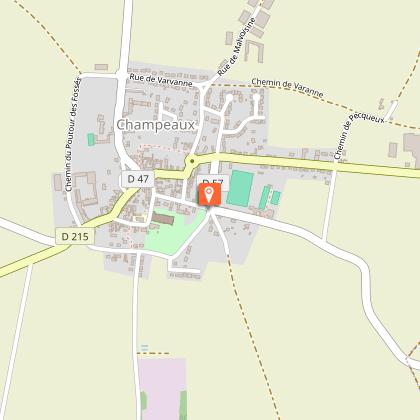
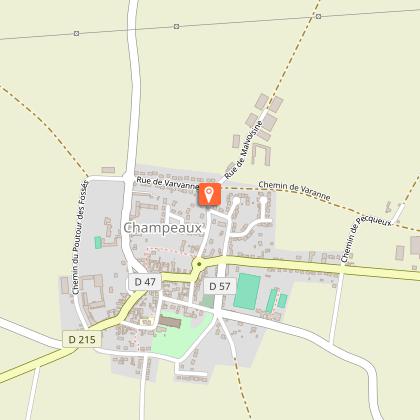
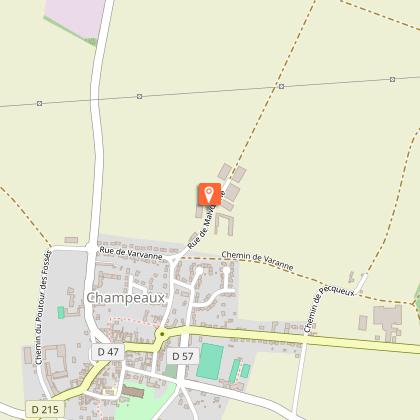
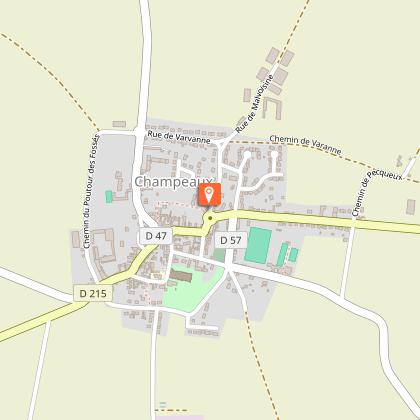
Punti di interesse
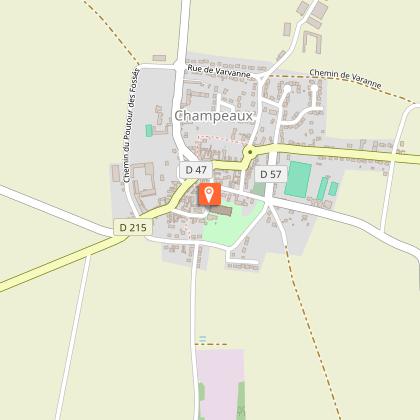
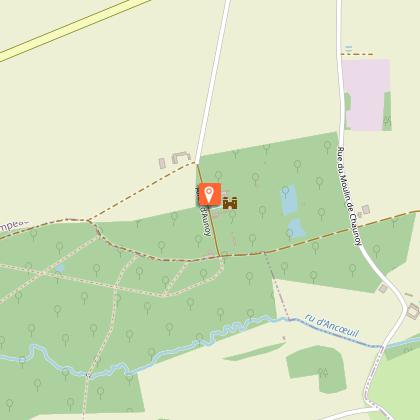


Autore dei dati

1 rue des Petits Champs 77820 Le Châtelet-en-Brie France
Valutazioni e recensioni
Da vedere nei dintorni