Allarme
Allarmi
Tipo di pratica
In bici da corsa
Presentazione
Mappa
Tappe
Punti di interesse
Sintesi di Cirkwi
Valutazioni e recensioni
Vedi nei dintorni
La Seine à vélo - Da Bois-le-Roi a Moret-sur-Loing

Credito : SMA
Il breve di Cirkwi
Esplora la Senna in bicicletta: Armonia tra arte e natura
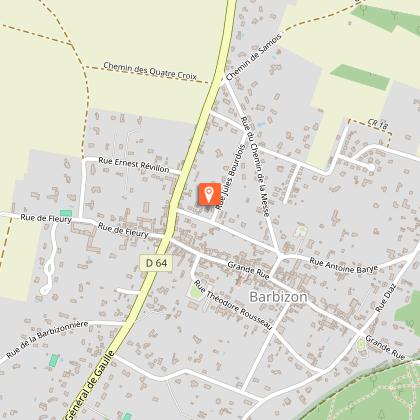
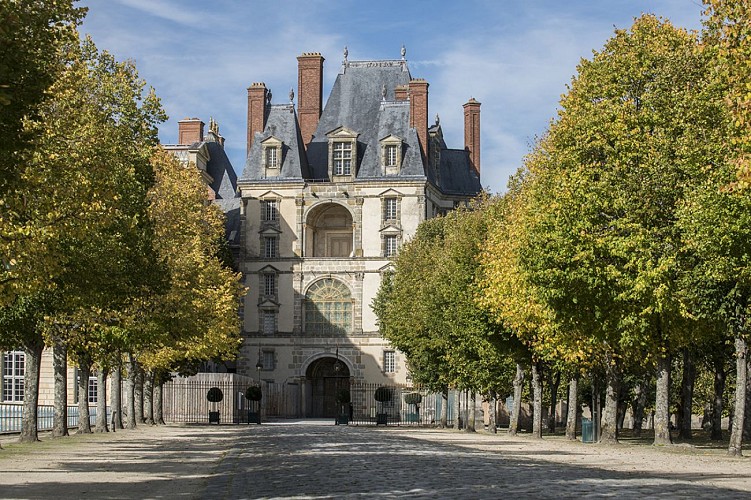
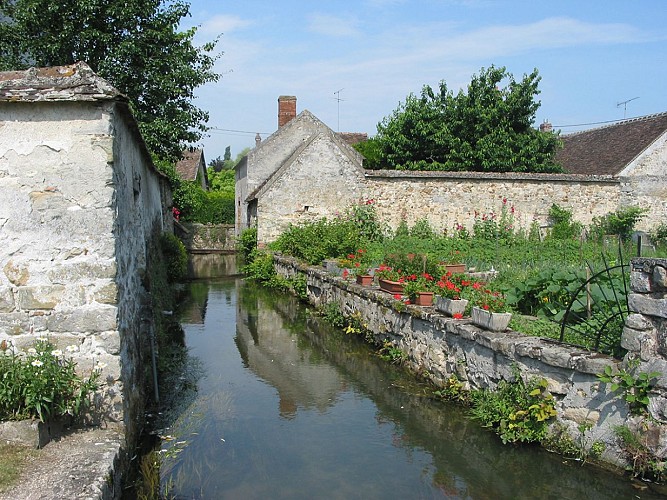
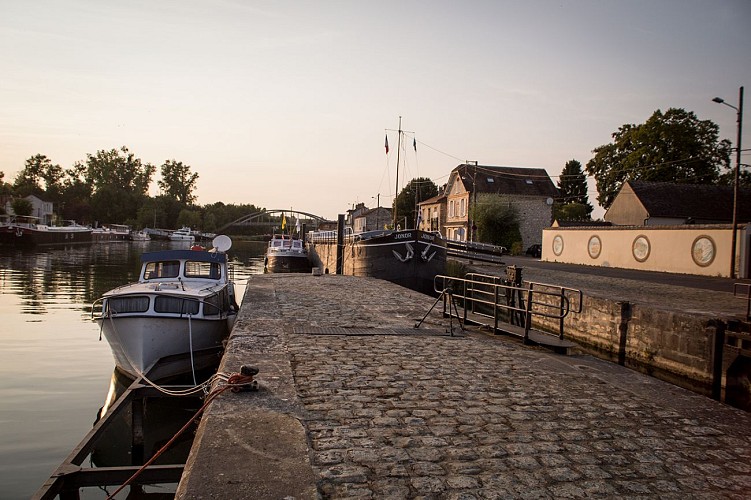
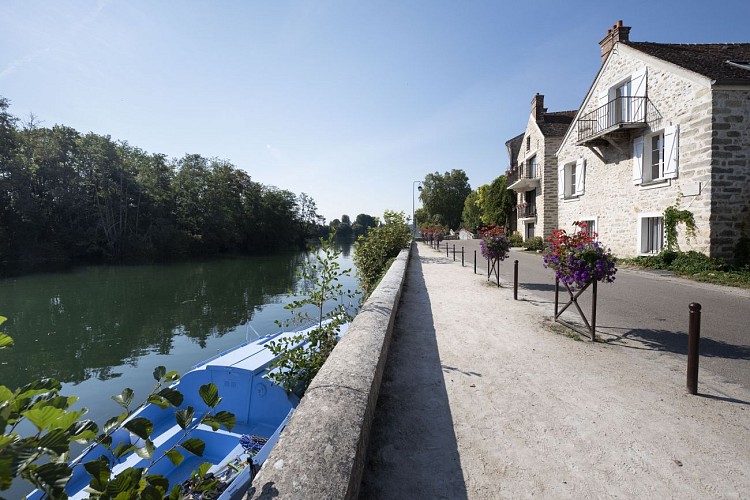
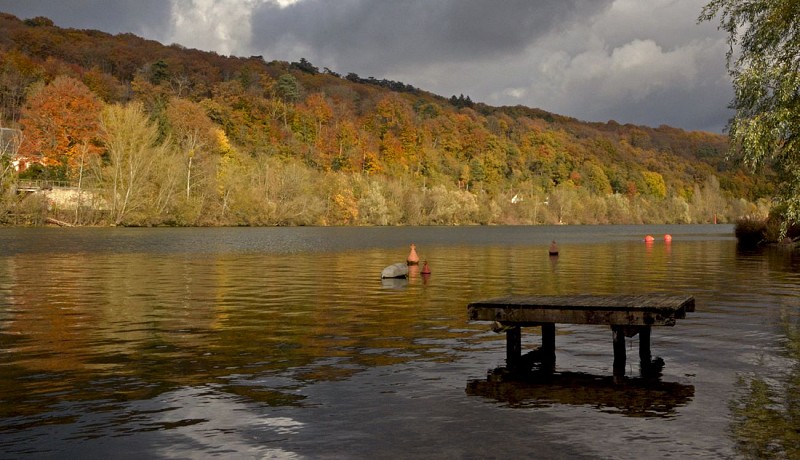
Imbarcati in un viaggio da Bois-le-Roi a Moret-sur-Loing che catturerà i tuoi sensi, grazie a Seine et Marne Attractivité. Questo percorso in bicicletta non è semplicemente un passaggio; è un'esperienza intrecciata nella trama della natura e della storia, collegando la tranquilla riva della Senna all'aura artistica del villaggio impressionista, Barbizon. Immagina di pedalare attraverso l'incantevole Foresta di Fontainebleau, scoprendo "finestre" panoramiche tra spiazzi ombrosi - un rifugio ideale per il relax. Questo viaggio è perfetto per coloro che desiderano assorbire la sottile grandezza della natura mentre ripercorrono le orme dei rinomati pittori che un tempo cercavano ispirazione in questi paesaggi.
Una panoramica essenziale del percorso
Tuffati nei dettagli: Con una lunghezza di circa 27,9 chilometri, questo percorso offre una miscela di modesti rilievi e tratti pianeggianti panoramici. Con un'altitudine che varia da 41 a una modesta elevazione di 78 metri, il percorso promette una pedalata moderatamente facile, adatta sia ai principianti che ai ciclisti esperti. Il dislivello cumulativo è approssimativamente compreso tra 193 e 200 metri, indicando alcune dolci sfide lungo il percorso. Questo equilibrio tra facilità e coinvolgimento rende il percorso un'ottima scelta per chiunque voglia apprezzare l'area pittoresca di Seine-et-Marne su due ruote.
Consigli stagionali per ciclisti
Indipendentemente dalla stagione, la preparazione è fondamentale per un'esperienza piacevole. In primavera e estate, indumenti leggeri e protezione solare sono essenziali, poiché i paesaggi lussureggianti prendono vita, sebbene con più visitatori. I mesi più freschi dell'autunno offrono l'opportunità di godersi la mutazione dei colori delle foglie con meno affollamento, anche se vestiti più caldi e, eventualmente, abbigliamento impermeabile diventano necessità. Controlla sempre le condizioni della tua bicicletta prima di partire e porta acqua, soprattutto durante le giornate più calde. Per una sicurezza ottimale, segui i sentieri segnalati e considera l'utilizzo di un casco in qualsiasi momento.
Un viaggio attraverso la storia e l'arte
Da Bois-le-Roi a Moret-sur-Loing, non si tratta solo di un percorso geografico; è un passaggio attraverso il tempo e la cultura. Questa zona, situata all'interno della più ampia regione di Seine-et-Marne, occupa un posto fondamentale nella storia francese. La vicinanza alla Foresta di Fontainebleau la colloca come un crocevia critico tra la bellezza naturale e il patrimonio reale. Barbizon, nel frattempo, testimonia il movimento artistico del XIX secolo, con i suoi pittori che aprirono la strada all'Impressionismo. Esplorare questa regione offre un'opportunità unica di entrare in contatto con le narrazioni che hanno plasmato non solo il paesaggio, ma anche il tessuto culturale della Francia.
Tempi ideali e informazioni sul clima
Il clima temperato della regione promette ciclisti piacevoli per la maggior parte dell'anno. Tuttavia, i periodi migliori per intraprendere questa avventura sono tra la fine della primavera e l'inizio dell'autunno. Durante questi mesi, le temperature sono piacevoli e la probabilità di pioggia è più bassa, offrendo cieli limpidi e condizioni di viaggio confortevoli. Le pedalate invernali, sebbene ancora possibili, potrebbero richiedere una maggiore preparazione a causa delle temperature più fredde e della possibilità di condizioni di umidità. Scegliere il momento giusto per la visita può migliorare significativamente l'esperienza, offrendo viste panoramiche e un clima piacevole.
Imbarcati in un viaggio da Bois-le-Roi a Moret-sur-Loing che catturerà i tuoi sensi, grazie a Seine et Marne Attractivité. Questo percorso in bicicletta non è semplicemente un passaggio; è un'esperienza intrecciata nella trama della natura e della storia, collegando la tranquilla riva della Senna all'aura artistica del villaggio impressionista, Barbizon. Immagina di pedalare attraverso l'incantevole Foresta di Fontainebleau, scoprendo "finestre" panoramiche tra spiazzi ombrosi - un rifugio ideale per il relax. Questo viaggio è perfetto per coloro che desiderano assorbire la sottile grandezza della natura mentre ripercorrono le orme dei rinomati pittori che un tempo cercavano ispirazione in questi paesaggi.
Una panoramica essenziale del percorso
Tuffati nei dettagli: Con una lunghezza di circa 27,9 chilometri, questo percorso offre una miscela di modesti rilievi e tratti pianeggianti panoramici. Con un'altitudine che varia da 41 a una modesta elevazione di 78 metri, il percorso promette una pedalata moderatamente facile, adatta sia ai principianti che ai ciclisti esperti. Il dislivello cumulativo è approssimativamente compreso tra 193 e 200 metri, indicando alcune dolci sfide lungo il percorso. Questo equilibrio tra facilità e coinvolgimento rende il percorso un'ottima scelta per chiunque voglia apprezzare l'area pittoresca di Seine-et-Marne su due ruote.
Consigli stagionali per ciclisti
Indipendentemente dalla stagione, la preparazione è fondamentale per un'esperienza piacevole. In primavera e estate, indumenti leggeri e protezione solare sono essenziali, poiché i paesaggi lussureggianti prendono vita, sebbene con più visitatori. I mesi più freschi dell'autunno offrono l'opportunità di godersi la mutazione dei colori delle foglie con meno affollamento, anche se vestiti più caldi e, eventualmente, abbigliamento impermeabile diventano necessità. Controlla sempre le condizioni della tua bicicletta prima di partire e porta acqua, soprattutto durante le giornate più calde. Per una sicurezza ottimale, segui i sentieri segnalati e considera l'utilizzo di un casco in qualsiasi momento.
Un viaggio attraverso la storia e l'arte
Da Bois-le-Roi a Moret-sur-Loing, non si tratta solo di un percorso geografico; è un passaggio attraverso il tempo e la cultura. Questa zona, situata all'interno della più ampia regione di Seine-et-Marne, occupa un posto fondamentale nella storia francese. La vicinanza alla Foresta di Fontainebleau la colloca come un crocevia critico tra la bellezza naturale e il patrimonio reale. Barbizon, nel frattempo, testimonia il movimento artistico del XIX secolo, con i suoi pittori che aprirono la strada all'Impressionismo. Esplorare questa regione offre un'opportunità unica di entrare in contatto con le narrazioni che hanno plasmato non solo il paesaggio, ma anche il tessuto culturale della Francia.
Tempi ideali e informazioni sul clima
Il clima temperato della regione promette ciclisti piacevoli per la maggior parte dell'anno. Tuttavia, i periodi migliori per intraprendere questa avventura sono tra la fine della primavera e l'inizio dell'autunno. Durante questi mesi, le temperature sono piacevoli e la probabilità di pioggia è più bassa, offrendo cieli limpidi e condizioni di viaggio confortevoli. Le pedalate invernali, sebbene ancora possibili, potrebbero richiedere una maggiore preparazione a causa delle temperature più fredde e della possibilità di condizioni di umidità. Scegliere il momento giusto per la visita può migliorare significativamente l'esperienza, offrendo viste panoramiche e un clima piacevole.
Generato automaticamente.
Informazioni tecniche
In bici da corsa
Difficoltà
Non specificata
Dist.
28 km
Tipo di pratica
In bici da corsa
Mostra di più
Profilo altimetrico
Punto di partenza
3
Rue des Sesçois
,
77590
Bois-le-Roi
Lat : 48.378333Lng : 2.799523
Tappe


Punti di interesse
Autore dei dati

proposto da
Seine et Marne Attractivité
Quartier Henri IV - Place d'Armes 77300 Fontainebleau France
Valutazioni e recensioni
Da vedere nei dintorni