Alerte
Alertes
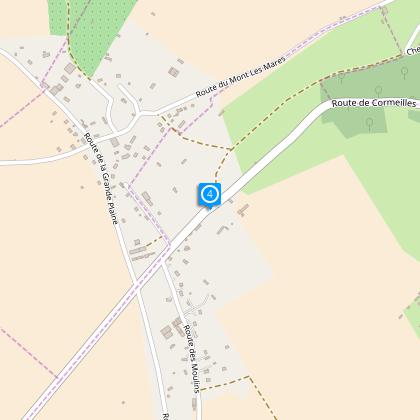
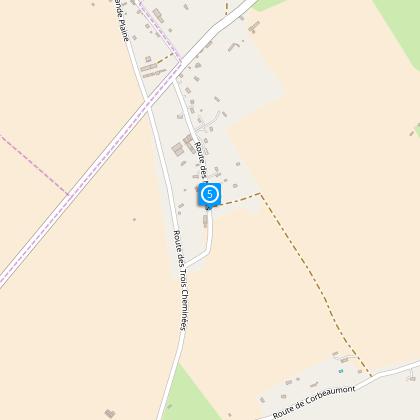
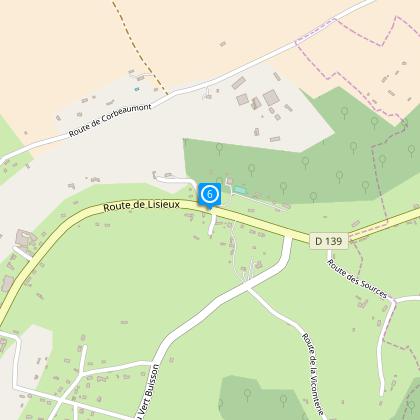
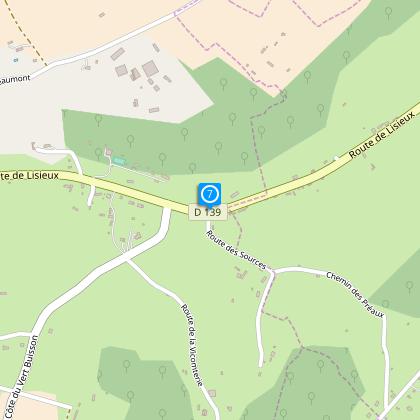
14. Chemin du gibet - Départ ancienne mairie de Saint-Germain-Village
Description
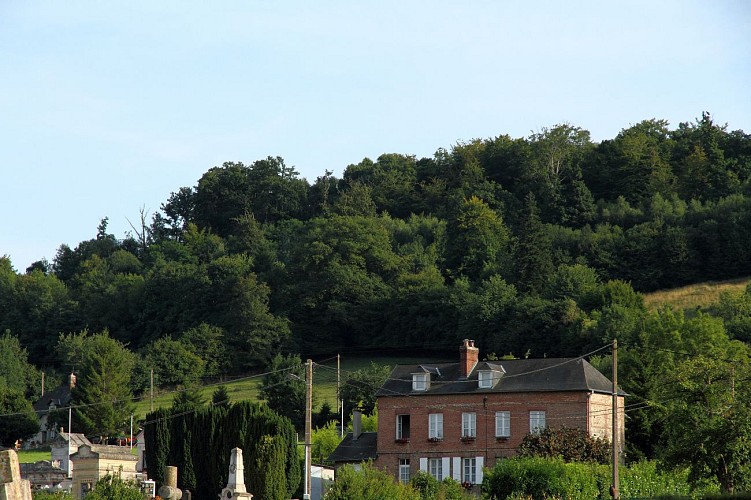
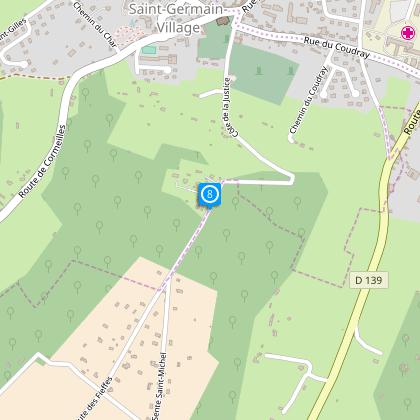
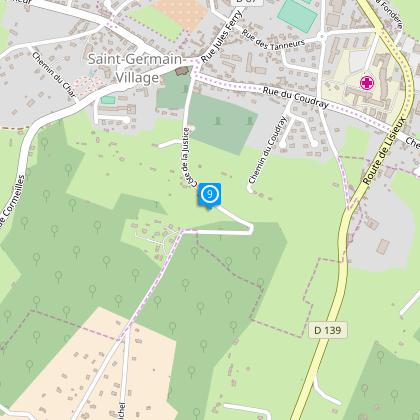
Ce circuit tire son nom d'un lieu-dit chargé d'histoire. Le gibet était une potence dressée en hauteur, bien visible de loin, où l'on exposait les condamnés à mort en guise d'avertissement pour la population. Implanté traditionnellement sur un point culminant en bordure de ville, celui de Pont-Audemer donnait à ce coteau une sinistre réputation. Aujourd'hui, le lieu offre l'un des panoramas les plus saisissants sur la ville, prolongé par les vues depuis les hauteurs des cimetières de Saint-Germain et de Pont-Audemer, de part et d'autre de la rue.
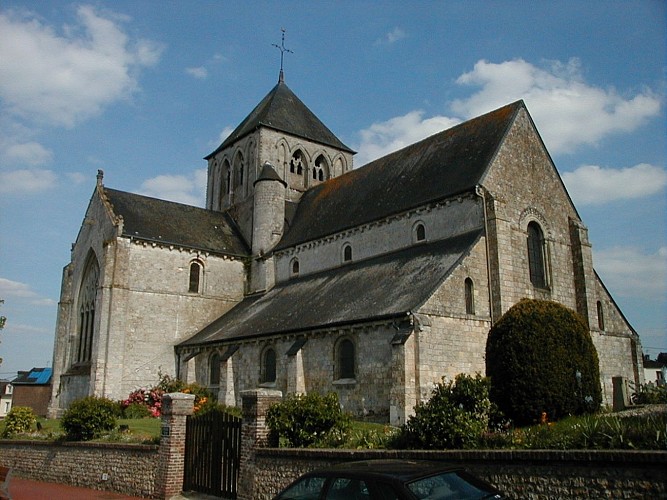
L'église Saint-Germain témoigne de l'ancienneté et du rayonnement de la commune. Sa nef romane des XIe et XIIe siècles, sa tour beffroi du XIVe et ses modillons sculptés de masques et de têtes d'animaux (des modillons) composent un ensemble d'une belle richesse expressive.
Le château des Préaux, visible depuis la route, occupe l'emplacement de l'ancienne abbaye Saint-Léger-de-Préaux, abbaye de femmes fondée au XIe siècle dont il ne reste aucun vestige bâti.
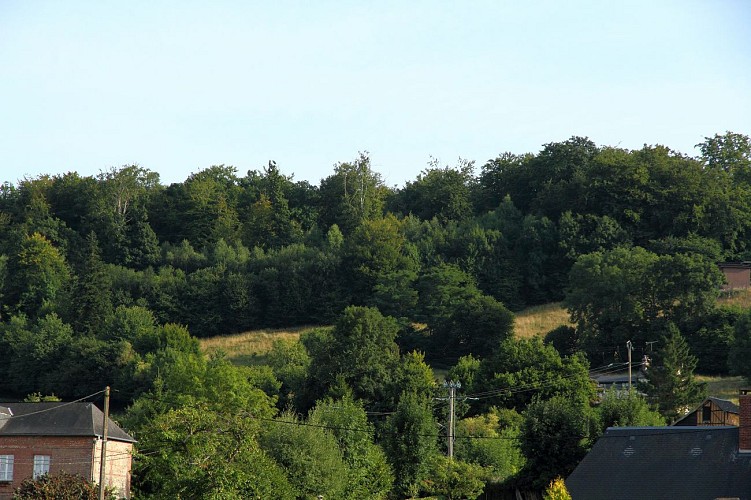
Le paysage alterne champs ouverts sur le plateau, forêt en bord de vallée et bocage préservé aux haies champêtres et maisons à colombage, offrant une diversité de tableaux typiquement normands.
Entre panoramas, pierres romanes et mémoire médiévale : une randonnée entre ciel et vallée.
Informations techniques
Profil altimétrique
Point de départ
Étapes
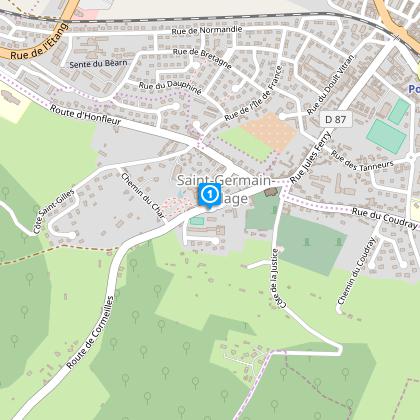
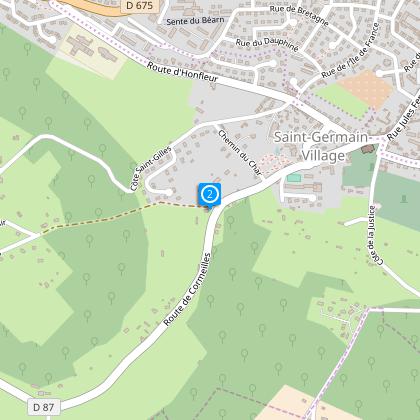
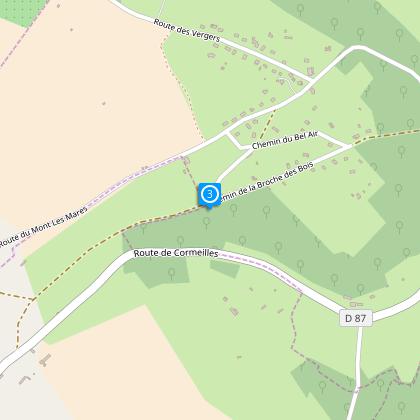
Points d'intérêt
Information complémentaire
Auteur de la donnée
