Alerta
Alertas
Tipo de práctica
A pie
Medio
4h30mn
Presentación
Mapa
Puntos de interés
Resumen de Cirkwi
Calificaciones y reseñas
Ver alrededor
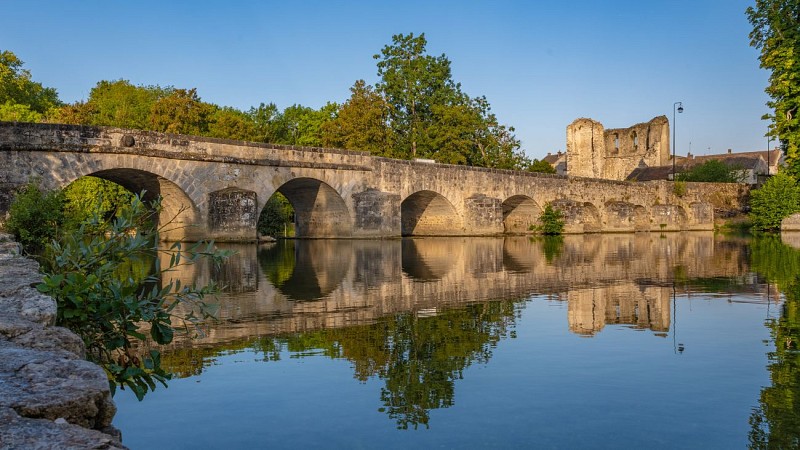
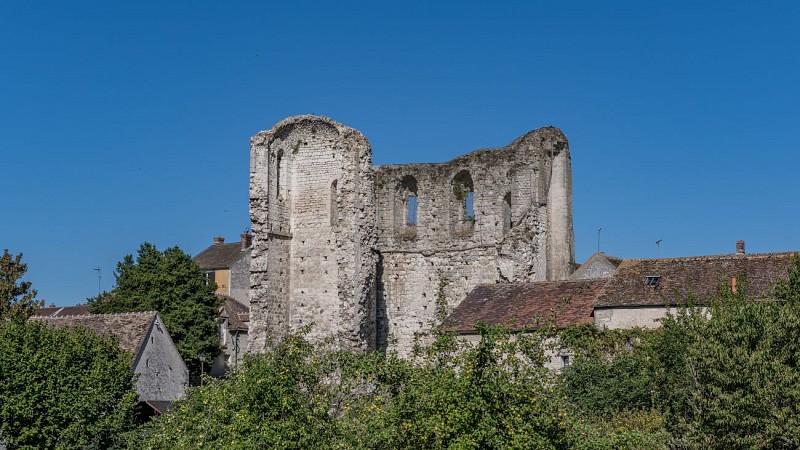
La Commanderie de Beauvais-en-Gâtinais


Crédito : OT Pays de Nemours
El resumen de Cirkwi
Explora el encanto medieval: Viaje de Grez-sur-Loing a Nemours
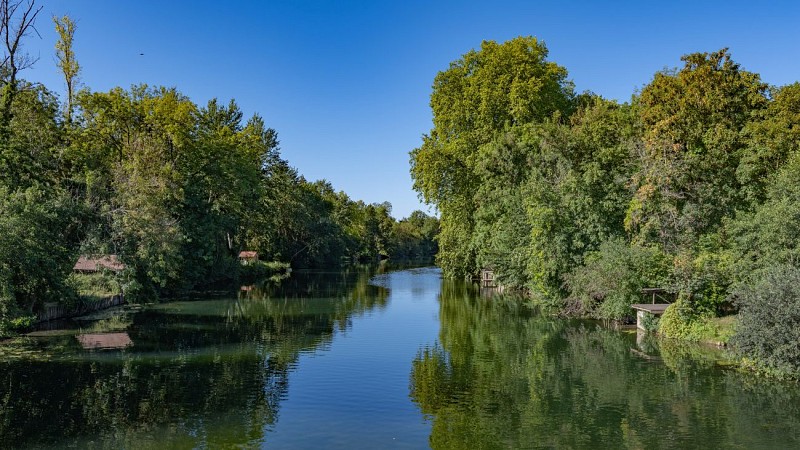
Imagina embarcarte en un viaje desde el pintoresco pueblo de Grez-sur-Loing, envuelto en esplendor histórico, hasta la vibrante ciudad de Nemours, un santuario de patrimonio medieval. Este itinerario único, ofrecido por la Oficina de Turismo de Pays de Nemours, combina tranquilas caminatas por el bosque de la Commanderie, similar al de Fontainebleau, y paseos tranquilos a lo largo del apacible río Loing. Descubre restos de la grandeza feudal en Beauvais-en-Gâtinais y contempla la mezcla de legado artístico y belleza natural que una vez cautivó a numerosos pintores. Esta aventura promete más que una simple caminata; ofrece una inmersión en el alma de Francia.
Breve descripción técnica de la ruta
Este recorrido tiene una longitud aproximada de 17.6 kilómetros, comenzando a una altitud modesta de 55 metros y alcanzando los 84 metros. El camino trazado a través de este paisaje histórico y natural representa un desafío moderado, resaltado por un ascenso acumulativo que varía entre 103 y 316 metros. Estas variaciones subrayan la diversidad del terreno, desde densos bosques hasta idílicos senderos junto al río, lo que hace imprescindible que los participantes estén adecuadamente preparados para ascensos y descensos.
Consejos estacionales y recomendaciones de seguridad
Embarcarse en esta excursión requiere una preparación diligente adaptada a la temporada. Durante la primavera y el verano, es esencial vestir ropa ligera y usar protector solar para hacer frente a las condiciones más cálidas, mientras que el otoño exige capas y equipo impermeable ante posibles lluvias. Los aventureros de invierno deben equiparse con ropa térmica y revisar el pronóstico del tiempo en caso de advertencias. Siempre se recomienda llevar calzado resistente para los diferentes terrenos y agua. Por motivos de seguridad, informa a alguien sobre tu ruta y hora estimada de regreso, especialmente al transitar por senderos menos frecuentados.
Importancia histórica de Grez-sur-Loing y Nemours
Grez-sur-Loing y Nemours no son solo puntos en un mapa, sino lugares cargados de historia y legado artístico. Grez-sur-Loing fue musa de innumerables pintores del siglo XIX, atraídos por su belleza escénica en contraste con el apacible Loing y el Bosque de Fontainebleau. Nemours presume un pasado medieval, con su ducado y la importancia estratégica de la ciudad a lo largo de los siglos. Esta región, abrazada por la naturaleza y la historia, sirve de puente al pasado, invitando a los exploradores a caminar por senderos que evocan el paso del tiempo.
Información climática regional y momentos ideales de visita
El clima en esta región de Francia cuenta con estaciones bien definidas, lo que la convierte en un destino durante todo el año. La primavera y el otoño son suaves y vibrantes, ideales para aquellos que desean disfrutar de la paleta de la naturaleza y evitar el turismo masivo. Los veranos son cálidos, perfectos para pasar días más largos al aire libre, mientras que los inviernos, aunque más frescos, ofrecen una perspectiva única de la serena belleza del paisaje. Para una experiencia óptima, se recomienda visitar en la primavera y los primeros meses del otoño, combinando un clima agradable con la riqueza natural e histórica de Grez-sur-Loing y Nemours.
Imagina embarcarte en un viaje desde el pintoresco pueblo de Grez-sur-Loing, envuelto en esplendor histórico, hasta la vibrante ciudad de Nemours, un santuario de patrimonio medieval. Este itinerario único, ofrecido por la Oficina de Turismo de Pays de Nemours, combina tranquilas caminatas por el bosque de la Commanderie, similar al de Fontainebleau, y paseos tranquilos a lo largo del apacible río Loing. Descubre restos de la grandeza feudal en Beauvais-en-Gâtinais y contempla la mezcla de legado artístico y belleza natural que una vez cautivó a numerosos pintores. Esta aventura promete más que una simple caminata; ofrece una inmersión en el alma de Francia.
Breve descripción técnica de la ruta
Este recorrido tiene una longitud aproximada de 17.6 kilómetros, comenzando a una altitud modesta de 55 metros y alcanzando los 84 metros. El camino trazado a través de este paisaje histórico y natural representa un desafío moderado, resaltado por un ascenso acumulativo que varía entre 103 y 316 metros. Estas variaciones subrayan la diversidad del terreno, desde densos bosques hasta idílicos senderos junto al río, lo que hace imprescindible que los participantes estén adecuadamente preparados para ascensos y descensos.
Consejos estacionales y recomendaciones de seguridad
Embarcarse en esta excursión requiere una preparación diligente adaptada a la temporada. Durante la primavera y el verano, es esencial vestir ropa ligera y usar protector solar para hacer frente a las condiciones más cálidas, mientras que el otoño exige capas y equipo impermeable ante posibles lluvias. Los aventureros de invierno deben equiparse con ropa térmica y revisar el pronóstico del tiempo en caso de advertencias. Siempre se recomienda llevar calzado resistente para los diferentes terrenos y agua. Por motivos de seguridad, informa a alguien sobre tu ruta y hora estimada de regreso, especialmente al transitar por senderos menos frecuentados.
Importancia histórica de Grez-sur-Loing y Nemours
Grez-sur-Loing y Nemours no son solo puntos en un mapa, sino lugares cargados de historia y legado artístico. Grez-sur-Loing fue musa de innumerables pintores del siglo XIX, atraídos por su belleza escénica en contraste con el apacible Loing y el Bosque de Fontainebleau. Nemours presume un pasado medieval, con su ducado y la importancia estratégica de la ciudad a lo largo de los siglos. Esta región, abrazada por la naturaleza y la historia, sirve de puente al pasado, invitando a los exploradores a caminar por senderos que evocan el paso del tiempo.
Información climática regional y momentos ideales de visita
El clima en esta región de Francia cuenta con estaciones bien definidas, lo que la convierte en un destino durante todo el año. La primavera y el otoño son suaves y vibrantes, ideales para aquellos que desean disfrutar de la paleta de la naturaleza y evitar el turismo masivo. Los veranos son cálidos, perfectos para pasar días más largos al aire libre, mientras que los inviernos, aunque más frescos, ofrecen una perspectiva única de la serena belleza del paisaje. Para una experiencia óptima, se recomienda visitar en la primavera y los primeros meses del otoño, combinando un clima agradable con la riqueza natural e histórica de Grez-sur-Loing y Nemours.
Generado automáticamente.
IGN tarjetas

2417OTR - FORÊT DE FONTAINEBLEAU RESISTANTE FORET DES TROIS PIGNONS
Editora : IGN
Recopilación : TOP 25 RÉSISTANTE
Escalera : 1:25 000
17.20€

2417OT - FORÊT DE FONTAINEBLEAU FORÊT DES TROIS PIGNONS
Editora : IGN
Recopilación : TOP 25 ET SÉRIE BLEUE
Escalera : 1:25 000
13.90€
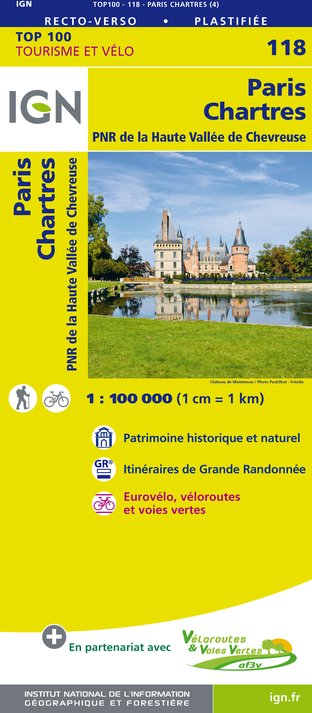
118 PARIS CHARTRES PNR DE LA HAUTE VALLÉE DE CHEVREUSE
Editora : IGN
Recopilación : TOP 100
Escalera : 1:100 000
8.40€

119 PARIS SENS PNR DU GÂTINAIS FRANÇAIS
Editora : IGN
Recopilación : TOP 100
Escalera : 1:100 000
8.40€
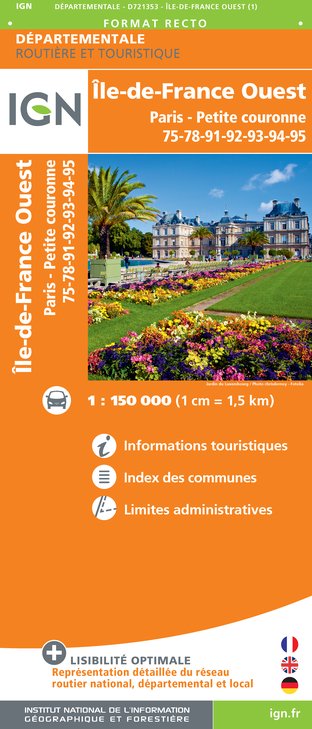
D75-95 ÎLE-DE-FRANCE OUEST
Editora : IGN
Recopilación : CARTES DÉPARTEMENTALES IGN
Escalera : 1:150 000
5.90€
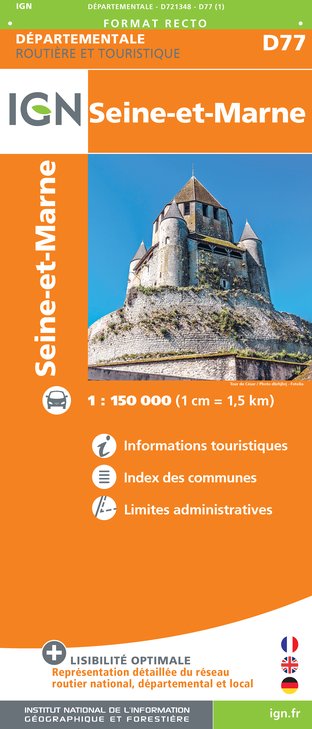
D77 SEINE-ET-MARNE
Editora : IGN
Recopilación : CARTES DÉPARTEMENTALES IGN
Escalera : 1:150 000
5.90€

D41-45 LOIR-ET-CHER LOIRET
Editora : IGN
Recopilación : CARTES DÉPARTEMENTALES IGN
Escalera : 1:150 000
5.90€
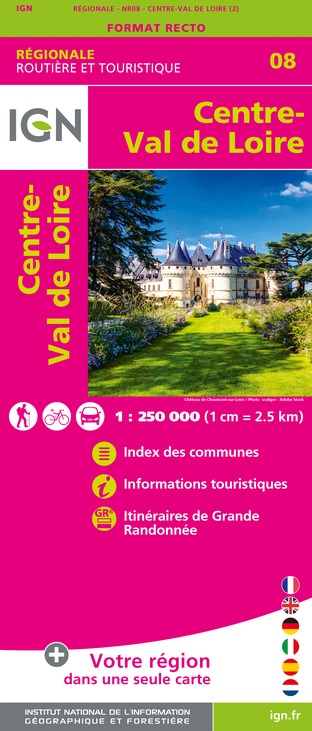
NR08 CENTRE-VAL DE LOIRE
Editora : IGN
Recopilación : CARTES RÉGIONALES IGN
Escalera : 1:250 000
6.80€
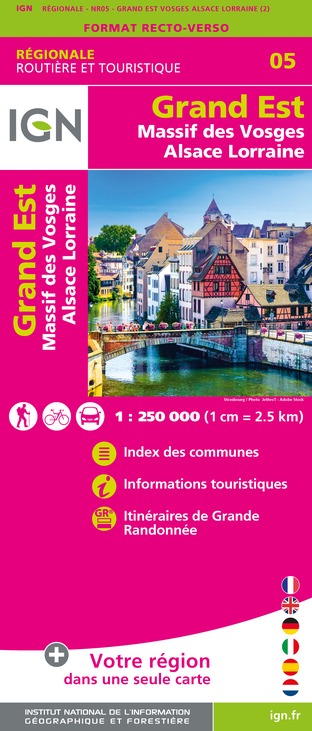
NR05 GRAND EST RECTO/VERSO MASSIF DES VOSGES ALSACE LORRAINE
Editora : IGN
Recopilación : CARTES RÉGIONALES IGN
Escalera : 1:250 000
6.80€

NR03 ÍLE DE FRANCE
Editora : IGN
Recopilación : CARTES RÉGIONALES IGN
Escalera : 1:250 000
6.80€

NR04 - GRAND EST RECTO/VERSO ARDENNE CHAMPAGNE
Editora : IGN
Recopilación : CARTES RÉGIONALES IGN
Escalera : 1:250 000
6.80€
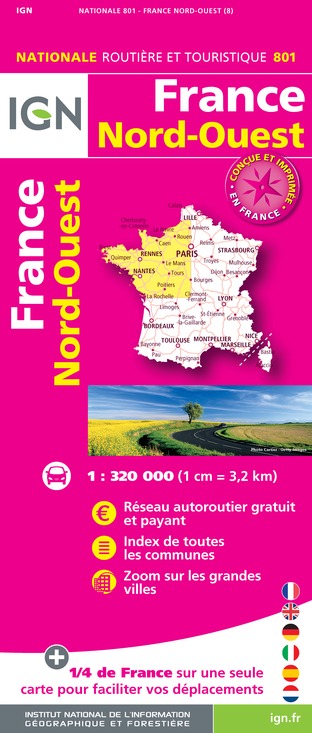
801 FRANCE NORD OUEST
Editora : IGN
Recopilación : CARTES NATIONALES IGN
Escalera : 1:320 000
6.10€
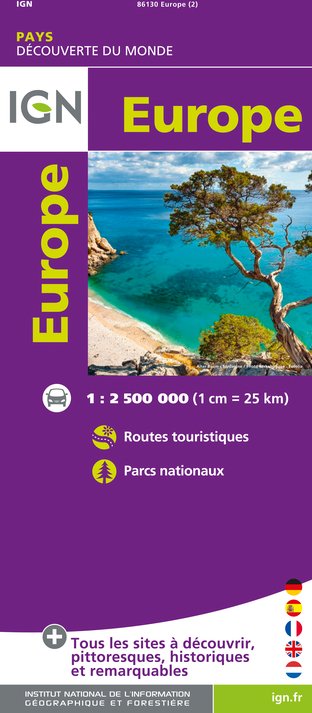
EUROPE
Editora : IGN
Recopilación : DÉCOUVERTE DES PAYS DU MONDE IGN
Escalera : 1:2 500 000
7.00€
Informaciónes técnicas
A pie
Dificultad
Medio
Duración
4h30mn
Dist.
18 km
Tipo de práctica
A pie
Medio
4h30mn
Mostrar más
Perfil altimétrico
Punto de partida
16
Parking des terrains de sport
,
77880
Grez-sur-Loing
Lat : 48.31459Lng : 2.697023
Puntos de interés

Autor de los datos

propuesto por
Office de Tourisme du Pays de Nemours
28 rue Gautier 1er 77140 Nemours France
Calificaciones y reseñas
Para ver alrededor