Alerta
Alertas
Tipo de práctica
A pie
Medio
5h
Presentación
Mapa
Puntos de interés
Resumen de Cirkwi
Calificaciones y reseñas
Ver alrededor
Rocas y Bosques del Sur de Sena y Marne.
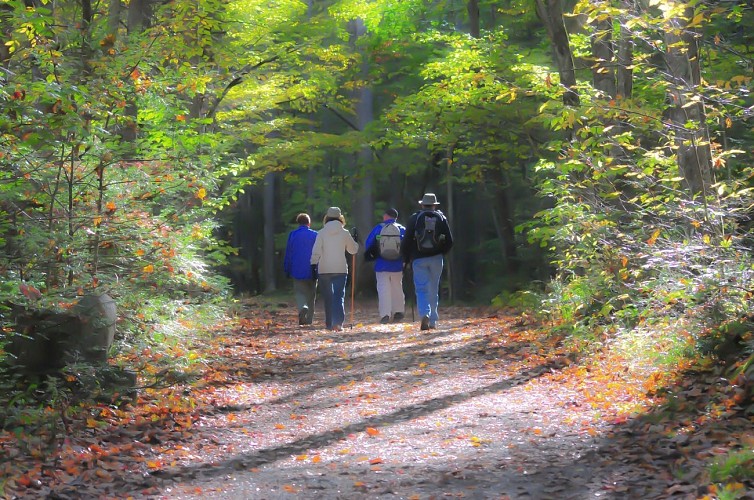
Crédito : Pixabay
El resumen de Cirkwi
Explora Nemours: Un viaje a través de la belleza natural y la historia
Embarcarse en esta ruta significa sumergirse en un reino donde la naturaleza y la historia se entrelazan de manera hermosa. Guiado por la Oficina de Turismo del Pays de Nemours, este camino te invita a desentrañar los tiempos antiguos de Nemours, una vez el corazón reinante del Gâtinais, mientras caminas junto al tranquilo río Loing y te maravillas con su castillo. Aventúrate más y serás recibido por bosques salpicados de paisajes rocosos surreales en medio de páramos arenosos. Este viaje culmina en Souppes-sur-Loing, famoso por su exquisita piedra caliza. Es un cuento de maravillas naturales y encanto histórico esperando tus pasos.
Breve descripción técnica para excursionistas
Este viaje abarca 20 km, comenzando desde la estación de tren de Nemours-Saint-Pierre y extendiéndose a través de terrenos variados. Esta ruta cuenta con un rango de ascenso de 320 a 311 metros, con el pico más alto a 131 metros y el más bajo a 59 metros. Tal diversidad en la elevación hace que sea una experiencia de trekking estimulante. Los participantes pueden anticipar una caminata vigorosa que requiere resistencia decente. Ideal para entusiastas que buscan satisfacción técnica, combina los placeres de una ruta escénica con las exigencias de un desafío físico sustancial.
Consejos estacionales para exploradores de Nemours
Independientemente de la estación, la preparación es clave para este viaje. En verano, lleva suficiente agua y protección solar debido a las secciones expuestas al sol. El otoño requiere ropa impermeable, ya que esta temporada puede rociar tu aventura con lluvias inesperadas. Los exploradores de invierno deben equiparse con ropa térmica y tener cuidado con los caminos resbaladizos. La primavera, vibrante y suave, es perfecta, pero los caminos pueden estar embarrados, así que usa calzado adecuado. Siempre informa a alguien sobre tu itinerario antes de embarcar y mantente en los senderos marcados para garantizar tu seguridad.
Comprendiendo Nemours: Descubriendo su importancia histórica
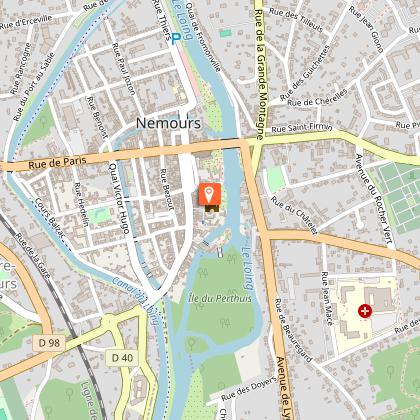
Nemours, ubicado en el departamento de Seine-et-Marne dentro de la región más amplia de Île-de-France, cuenta con un tapiz histórico profundamente arraigado. Esta antigua capital de Gâtinais es testigo del legado medieval de Francia, pasando desapercibida por su imponente castillo que ha vigilado el Loing desde su creación. La región es famosa por su encantador bosque y su geomorfología única, que históricamente brindó refugio y recursos a sus habitantes. La extracción de la piedra caliza de Souppes-sur-Loing subraya aún más el papel integral del área en la evolución arquitectónica de sus alrededores.
Mejores momentos para visitar según los patrones climáticos
Guía del clima de Seine-et-Marne para viajeros
La región de Seine-et-Marne experimenta un clima templado, lo que hace que Nemours sea accesible y agradable durante todo el año. Sin embargo, el momento óptimo para visitar es entre mayo y septiembre, cuando el clima suele ser agradable, con temperaturas medias propicias para actividades al aire libre. Julio y agosto son los meses más cálidos, ideales para disfrutar de los paisajes escénicos. Por otro lado, aquellos que deseen evitar las multitudes de verano podrían encontrar la primavera (finales de marzo a mayo) o principios del otoño (septiembre y octubre) perfectos, con temperaturas suaves y menos turistas.
Embarcarse en esta ruta significa sumergirse en un reino donde la naturaleza y la historia se entrelazan de manera hermosa. Guiado por la Oficina de Turismo del Pays de Nemours, este camino te invita a desentrañar los tiempos antiguos de Nemours, una vez el corazón reinante del Gâtinais, mientras caminas junto al tranquilo río Loing y te maravillas con su castillo. Aventúrate más y serás recibido por bosques salpicados de paisajes rocosos surreales en medio de páramos arenosos. Este viaje culmina en Souppes-sur-Loing, famoso por su exquisita piedra caliza. Es un cuento de maravillas naturales y encanto histórico esperando tus pasos.
Breve descripción técnica para excursionistas
Este viaje abarca 20 km, comenzando desde la estación de tren de Nemours-Saint-Pierre y extendiéndose a través de terrenos variados. Esta ruta cuenta con un rango de ascenso de 320 a 311 metros, con el pico más alto a 131 metros y el más bajo a 59 metros. Tal diversidad en la elevación hace que sea una experiencia de trekking estimulante. Los participantes pueden anticipar una caminata vigorosa que requiere resistencia decente. Ideal para entusiastas que buscan satisfacción técnica, combina los placeres de una ruta escénica con las exigencias de un desafío físico sustancial.
Consejos estacionales para exploradores de Nemours
Independientemente de la estación, la preparación es clave para este viaje. En verano, lleva suficiente agua y protección solar debido a las secciones expuestas al sol. El otoño requiere ropa impermeable, ya que esta temporada puede rociar tu aventura con lluvias inesperadas. Los exploradores de invierno deben equiparse con ropa térmica y tener cuidado con los caminos resbaladizos. La primavera, vibrante y suave, es perfecta, pero los caminos pueden estar embarrados, así que usa calzado adecuado. Siempre informa a alguien sobre tu itinerario antes de embarcar y mantente en los senderos marcados para garantizar tu seguridad.
Comprendiendo Nemours: Descubriendo su importancia histórica
Nemours, ubicado en el departamento de Seine-et-Marne dentro de la región más amplia de Île-de-France, cuenta con un tapiz histórico profundamente arraigado. Esta antigua capital de Gâtinais es testigo del legado medieval de Francia, pasando desapercibida por su imponente castillo que ha vigilado el Loing desde su creación. La región es famosa por su encantador bosque y su geomorfología única, que históricamente brindó refugio y recursos a sus habitantes. La extracción de la piedra caliza de Souppes-sur-Loing subraya aún más el papel integral del área en la evolución arquitectónica de sus alrededores.
Mejores momentos para visitar según los patrones climáticos
Guía del clima de Seine-et-Marne para viajeros
La región de Seine-et-Marne experimenta un clima templado, lo que hace que Nemours sea accesible y agradable durante todo el año. Sin embargo, el momento óptimo para visitar es entre mayo y septiembre, cuando el clima suele ser agradable, con temperaturas medias propicias para actividades al aire libre. Julio y agosto son los meses más cálidos, ideales para disfrutar de los paisajes escénicos. Por otro lado, aquellos que deseen evitar las multitudes de verano podrían encontrar la primavera (finales de marzo a mayo) o principios del otoño (septiembre y octubre) perfectos, con temperaturas suaves y menos turistas.
Generado automáticamente.
Informaciónes técnicas
A pie
Dificultad
Medio
Duración
5h
Dist.
20 km
Tipo de práctica
A pie
Medio
5h
Mostrar más
Perfil altimétrico
Punto de partida
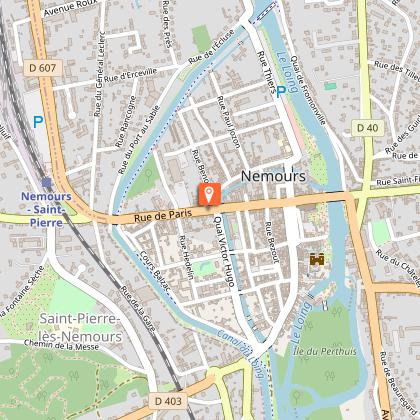
Gare de Nemours Saint-Pierre
,
77140
Nemours
Lat : 48.267875Lng : 2.685662
Puntos de interés


Autor de los datos

propuesto por
Office de Tourisme du Pays de Nemours
28 rue Gautier 1er 77140 Nemours France
Calificaciones y reseñas
Para ver alrededor