Alerta
Alertas
Tipo de práctica
En bicicleta de carretera
Presentación
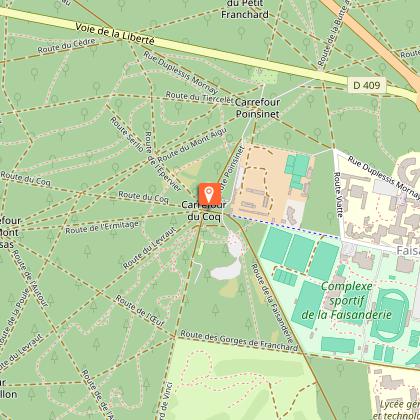
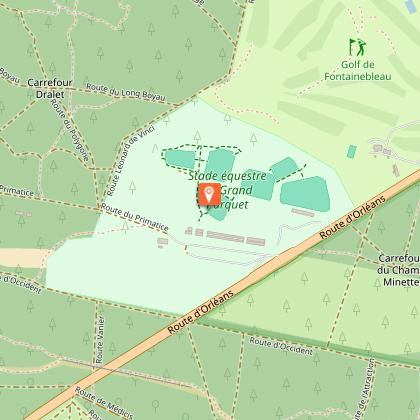
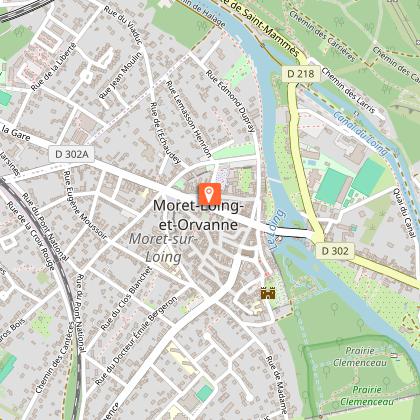
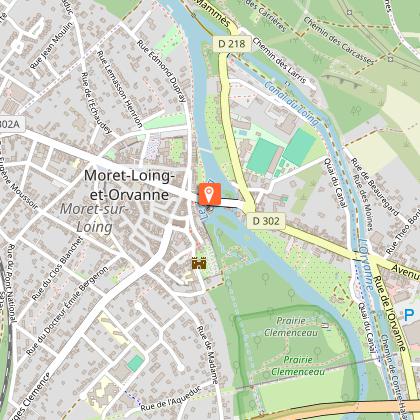
Mapa
Pasos
Puntos de interés
Resumen de Cirkwi
Calificaciones y reseñas
Ver alrededor
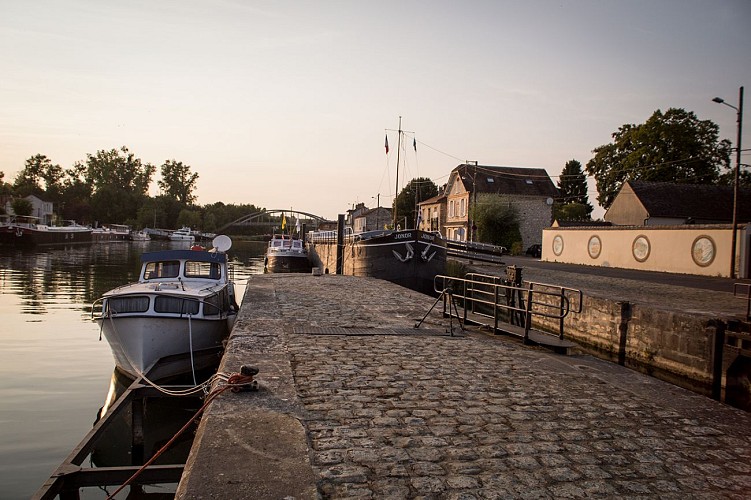
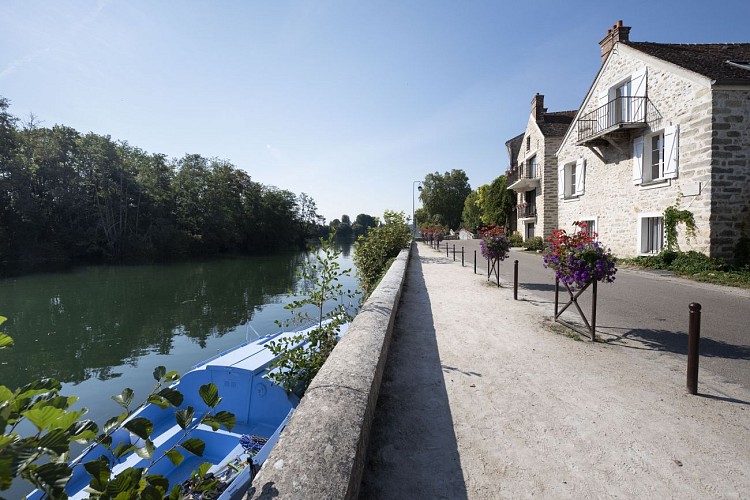
El Sena en bicicleta - De Bois-le-Roi a Moret-sur-Loing.

Crédito : SMA
El resumen de Cirkwi
Explora el Sena en bicicleta: armonía entre el arte y la naturaleza
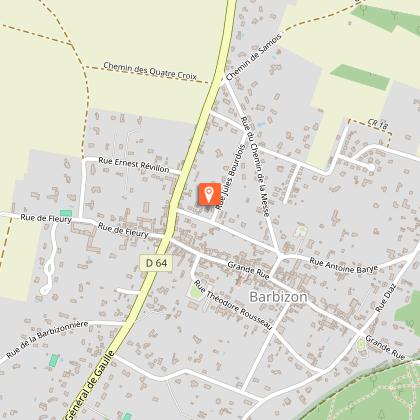
Embarcarse en un viaje desde Bois-le-Roi hasta Moret-sur-Loing cautivará tus sentidos, gracias a Seine et Marne Attractivité. Esta ruta en bicicleta no es solo un paso; es una experiencia tejida a través de la naturaleza y la historia, conectando la tranquila ribera del Sena con el aura artística del pueblo impresionista, Barbizon. Imagina pedalear a través del encantador Bosque de Fontainebleau, descubriendo "ventanas" escénicas en medio de espacios sombreados, un refugio ideal para relajarse. Este viaje es perfecto para aquellos que buscan absorber la sutil grandeza de la naturaleza mientras siguen los pasos de reconocidos pintores que una vez buscaron inspiración en estos paisajes.
Descripción general de tu ruta esencial
Sumérgete en los detalles: Con una longitud de aproximadamente 27.9 kilómetros, este recorrido ofrece una combinación de suaves inclinaciones y tramos planos escénicos. Con una altitud que oscila entre 41 y un modesto pico de 78 metros, la ruta promete un paseo de dificultad moderada, adecuado tanto para principiantes como para ciclistas experimentados. La ganancia de elevación acumulativa oscila aproximadamente entre 193 y 200 metros, lo que indica algunos desafíos suaves en el camino. Este equilibrio entre facilidad y participación hace que el camino sea una excelente opción para cualquiera que desee apreciar el pintoresco área de Seine-et-Marne sobre dos ruedas.
Consejos estacionales para ciclistas
Sin importar la temporada, la preparación es clave para disfrutar de una experiencia encantadora. En primavera y verano, es esencial llevar ropa ligera y protector solar, ya que los exuberantes paisajes cobran vida, aunque con más visitantes. Los meses más frescos de otoño ofrecen la oportunidad de disfrutar del cambio de follaje con menos multitudes, aunque se necesitará ropa más abrigada y posiblemente impermeable. Siempre verifica las condiciones de tu bicicleta antes de partir y lleva agua, especialmente durante los días más cálidos. Para una seguridad óptima, sigue los senderos marcados y considera usar un casco en todo momento.
Un viaje a través de la historia y el arte
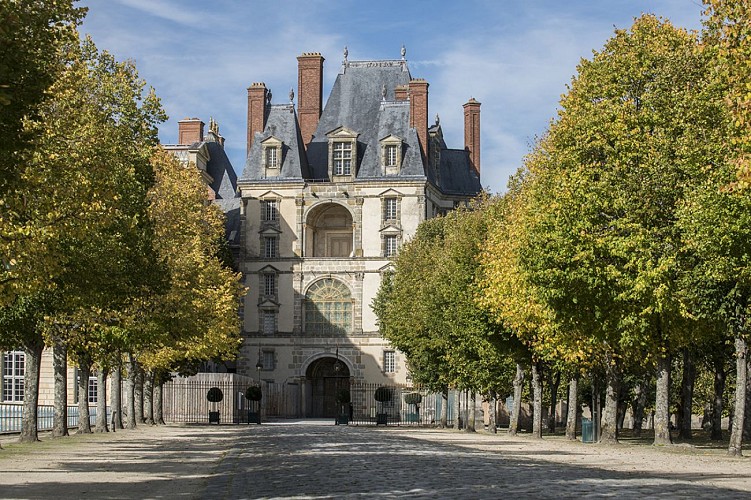
Bois-le-Roi a Moret-sur-Loing no es solo una ruta geográfica; es un paso a través del tiempo y la cultura. Esta área, ubicada dentro de la región más amplia de Seine-et-Marne, ocupa un lugar clave en la historia francesa. La proximidad al Bosque de Fontainebleau la sitúa como un punto de encuentro crucial entre la belleza natural y el patrimonio real. Barbizon, por su parte, es testigo del movimiento artístico del siglo XIX, con sus pintores abriendo un camino que conduciría al impresionismo. Explorar esta región ofrece una oportunidad única para encontrarse con las narrativas que han dado forma no solo al paisaje, sino también al tejido cultural de Francia.
Momentos ideales e información climática
El clima templado de la región promete ciclismo agradable durante la mayor parte del año. Sin embargo, los mejores períodos para embarcarse en esta aventura son desde finales de primavera hasta principios de otoño. Durante estos meses, las temperaturas son agradables y la probabilidad de lluvia es menor, ofreciendo cielos despejados y condiciones de viaje cómodas. Los paseos invernales, aunque aún posibles, pueden requerir una mayor preparación debido a las temperaturas más frías y la posibilidad de condiciones húmedas. Elegir el momento adecuado para tu visita puede mejorar significativamente la experiencia, ofreciéndote vistas panorámicas y un clima agradable.
Embarcarse en un viaje desde Bois-le-Roi hasta Moret-sur-Loing cautivará tus sentidos, gracias a Seine et Marne Attractivité. Esta ruta en bicicleta no es solo un paso; es una experiencia tejida a través de la naturaleza y la historia, conectando la tranquila ribera del Sena con el aura artística del pueblo impresionista, Barbizon. Imagina pedalear a través del encantador Bosque de Fontainebleau, descubriendo "ventanas" escénicas en medio de espacios sombreados, un refugio ideal para relajarse. Este viaje es perfecto para aquellos que buscan absorber la sutil grandeza de la naturaleza mientras siguen los pasos de reconocidos pintores que una vez buscaron inspiración en estos paisajes.
Descripción general de tu ruta esencial
Sumérgete en los detalles: Con una longitud de aproximadamente 27.9 kilómetros, este recorrido ofrece una combinación de suaves inclinaciones y tramos planos escénicos. Con una altitud que oscila entre 41 y un modesto pico de 78 metros, la ruta promete un paseo de dificultad moderada, adecuado tanto para principiantes como para ciclistas experimentados. La ganancia de elevación acumulativa oscila aproximadamente entre 193 y 200 metros, lo que indica algunos desafíos suaves en el camino. Este equilibrio entre facilidad y participación hace que el camino sea una excelente opción para cualquiera que desee apreciar el pintoresco área de Seine-et-Marne sobre dos ruedas.
Consejos estacionales para ciclistas
Sin importar la temporada, la preparación es clave para disfrutar de una experiencia encantadora. En primavera y verano, es esencial llevar ropa ligera y protector solar, ya que los exuberantes paisajes cobran vida, aunque con más visitantes. Los meses más frescos de otoño ofrecen la oportunidad de disfrutar del cambio de follaje con menos multitudes, aunque se necesitará ropa más abrigada y posiblemente impermeable. Siempre verifica las condiciones de tu bicicleta antes de partir y lleva agua, especialmente durante los días más cálidos. Para una seguridad óptima, sigue los senderos marcados y considera usar un casco en todo momento.
Un viaje a través de la historia y el arte
Bois-le-Roi a Moret-sur-Loing no es solo una ruta geográfica; es un paso a través del tiempo y la cultura. Esta área, ubicada dentro de la región más amplia de Seine-et-Marne, ocupa un lugar clave en la historia francesa. La proximidad al Bosque de Fontainebleau la sitúa como un punto de encuentro crucial entre la belleza natural y el patrimonio real. Barbizon, por su parte, es testigo del movimiento artístico del siglo XIX, con sus pintores abriendo un camino que conduciría al impresionismo. Explorar esta región ofrece una oportunidad única para encontrarse con las narrativas que han dado forma no solo al paisaje, sino también al tejido cultural de Francia.
Momentos ideales e información climática
El clima templado de la región promete ciclismo agradable durante la mayor parte del año. Sin embargo, los mejores períodos para embarcarse en esta aventura son desde finales de primavera hasta principios de otoño. Durante estos meses, las temperaturas son agradables y la probabilidad de lluvia es menor, ofreciendo cielos despejados y condiciones de viaje cómodas. Los paseos invernales, aunque aún posibles, pueden requerir una mayor preparación debido a las temperaturas más frías y la posibilidad de condiciones húmedas. Elegir el momento adecuado para tu visita puede mejorar significativamente la experiencia, ofreciéndote vistas panorámicas y un clima agradable.
Generado automáticamente.
Informaciónes técnicas
En bicicleta de carretera
Dificultad
No especificada
Dist.
28 km
Tipo de práctica
En bicicleta de carretera
Mostrar más
Perfil altimétrico
Punto de partida
3
Rue des Sesçois
,
77590
Bois-le-Roi
Lat : 48.378333Lng : 2.799523
Pasos


Puntos de interés
Autor de los datos

propuesto por
Seine et Marne Attractivité
Quartier Henri IV - Place d'Armes 77300 Fontainebleau France
Calificaciones y reseñas
Para ver alrededor