Alert
Alerts
Plage des Catalans
Description
🌊 Plage des Catalans
7th arrondissement – Marseille
📍 A sandy beach in the heart of the city
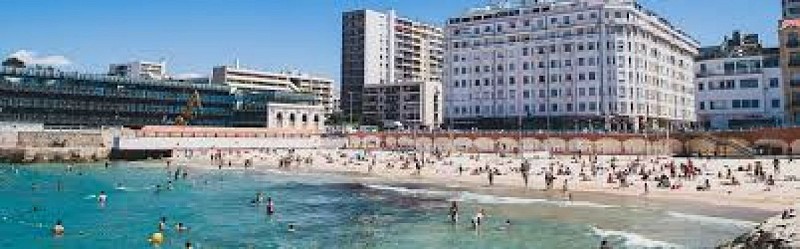
Plage des Catalans is the closest beach to downtown Marseille, just five minutes from the Vieux-Port and located at the beginning of the Corniche. Easily accessible and beloved by locals, it’s one of the city’s most iconic beaches.
Fine sand, turquoise water, and a true Marseillaise atmosphere.
But behind its lively beach vibe lies a rich history shaped by medicine, fishing, class divides, and culture.
🕰️ From quarantine hospital to popular beach: 500 years of history
✝️ It all started with a lazaretto...
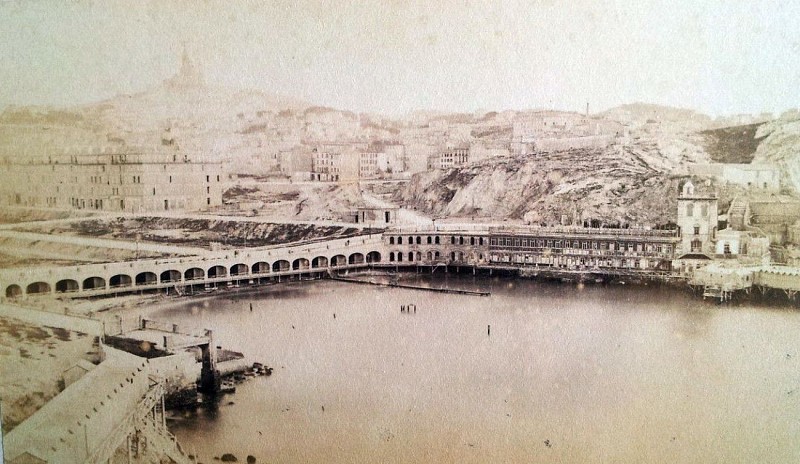
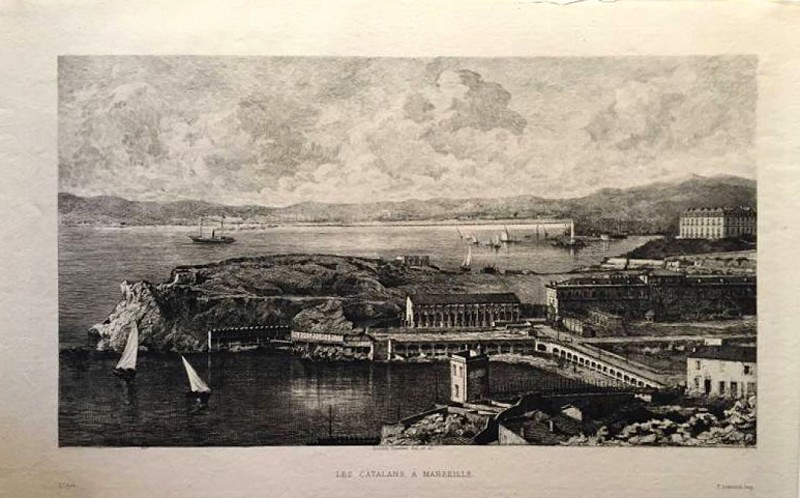
Before becoming a beach, the Anse des Catalans was home to the Old Saint-Lambert Infirmaries, established in 1558. The site served as a quarantine hospital where incoming sailors and goods were held to prevent plague outbreaks.
A complex of buildings was erected, including a chapel, medical wards, and a fortified wall. In 1627, it became an official lazaretto—a key element of Marseille’s public health defenses.
In 1663, the site was sold to the Crown for 62,000 livres and converted into a military hospital for the French Navy. Eventually, it was abandoned.
⚓ Fun fact: A 16th-century square watchtower, a remnant of the old lazaretto, still stands at the edge of the beach today—often overlooked by visitors.
🎣 Then came… the Catalans
After the Great Plague of 1720, a group of Catalan fishermen settled in the bay and developed a small but thriving fishing port. Tensions soon arose with the Marseille-based fishermen from the Prud’homie of Saint-Jean.
In 1735, the rivalry turned violent—boats and nets were burned. Legal battles followed, but the Catalans remained.
Over time, they were joined by Neapolitan fishermen, forming a vibrant coastal community. By 1790, the fleet numbered 75 boats and 400 fishermen.
📖 The beach in popular culture
📝 In The Count of Monte Cristo, Mercedes—the fiancée of Edmond Dantès—is said to come from the Anse des Catalans, depicted as a quaint fishing village. A place forever tied to Marseille’s literary lore.
🧜 From sea baths to muscle beach: a layered history
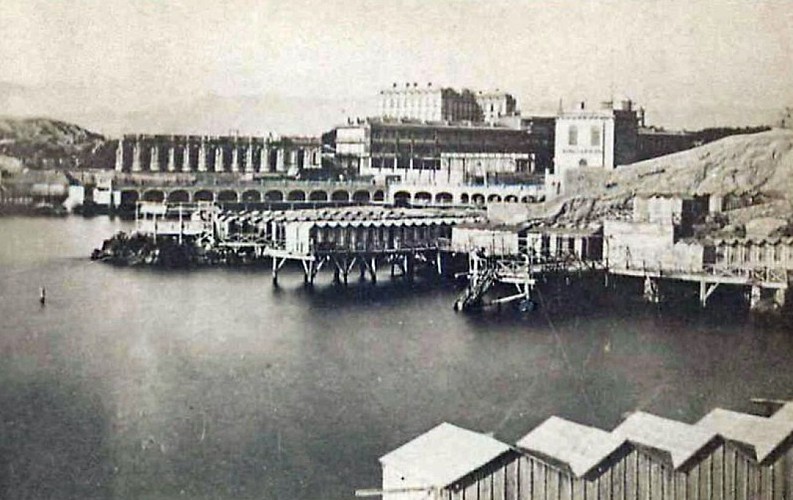
In the 19th century, Marseille aimed to transform the bay into a fashionable seaside resort, especially with the nearby imperial residence at the Palais du Pharo. A casino was even planned—but never built.
Instead, Plage des Catalans became home to wooden piers, bathing cabins, diving platforms, showers, and space for gymnastics and rowing.
Later, in the 1920s, the beach gained fame as a haven for bodybuilders and gymnasts, complete with rings and pull-up bars.
But access to the beach was highly segregated:
“Grand Bains” for the wealthy,
“Petits Bains” for the working class,
men and women separated by a no-man’s-land of sand,
with beach cabins, wooden paths, and amenities reserved only for the privileged.
In short: a mirror of Europe’s rigid social and gender divides at the time.
🏖️ Today: a beach for everyone
Since becoming public in 2001, the beach has been open year-round from 8 a.m. to 8 p.m., and often extended until 10 p.m. in summer.
It features:
lifeguard supervision,
showers and toilets,
a refreshment kiosk,
two public beach volleyball courts,
and even a free beach library operated by Emmaüs.
In 2021, it became home to the Marseille Underwater Museum, an underwater sculpture park accessible just a few strokes from the shore.
⚠️ In peak season, access is limited to 1,000 people to avoid overcrowding—after multiple incidents in the past, including temporary closures in 2013.
🏗️ Olympic ambitions
As part of the 2024 Olympic Games preparations, a €11.2 million redevelopment project was launched by architect Yann Pluskwa. It includes:
restoring the old lazaretto,
opening up the arcades,
building a beach volleyball stadium,
and creating new shaded spaces and walkways.
Plage des Catalans is entering a new era, blending heritage, recreation, and sustainable urban planning.
Technical Information
Altimetric profile
Data author
