Alert
Alerts
Description
Map
Ratings and reviews
See around
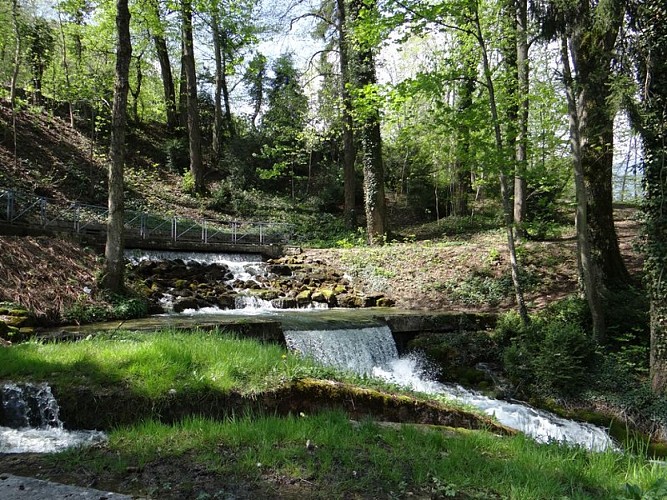
The Divonne river
Credit
: OT Divonne-les-Bains
Description
The Divonne river - known as the Versoix river on the other side of the Swiss border – has provided a continuous source of energy from the Middle Ages to the 20th century. It has powered hemp beater mills, grain mills and forge hammers for mainly local production. However, it has also been used for industrial activities such as paper manufacturing. During the 19th century, and with installations all along its waterway, from Divonne to Lake Geneva, this river would “power around twenty establishments in the Divonne area, using a network of canals close to 3 kilometres long” (B. Frommel, 2005). In particular, its industrial forebays sustained the large paper industry of the 19th century.
Technical Information
Lat, Lng
46.35750226.1358415
Coordinates copied
Point of Interest updated on 25/05/2026
Altimetric profile
Data author

Ratings and reviews
To see around