Tours
Activities
Places of interest
Where to eat
Where to sleep

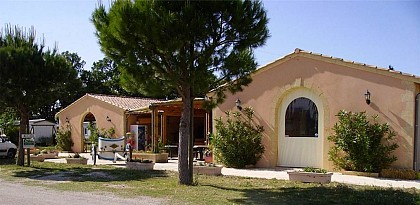
Outdoor adventures at Camping Le Dolium in Laudun-l'ardoise

Are you the owner?
Nestled in the heart of Gard, Languedoc-Roussillon, Camping Le Dolium offers easy access to the region’s hidden gems. Hikers can explore numerous marked trails in the vicinity, including the legendary Concluses de Lussan path and the breathtaking views from Mont Bouquet. History and archaeology enthusiasts will find a treasure trove in Laudun-l'ardoise, home to the significant Gallo-Roman site of ...See more

Walking around CAMPING LE DOLIUM

See more suggestions
Discover the nature of CAMPING LE DOLIUM on foot.
See more suggestions
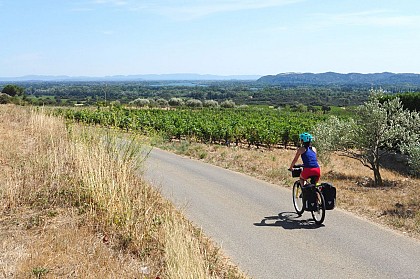
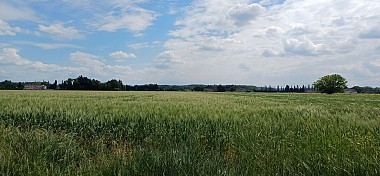
Étang de la Capelle Masmolène trail
12 km

Étang de la Capelle Masmolène trail

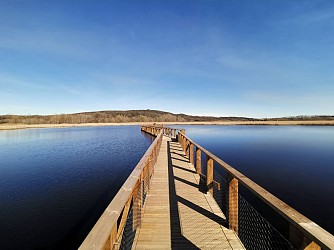
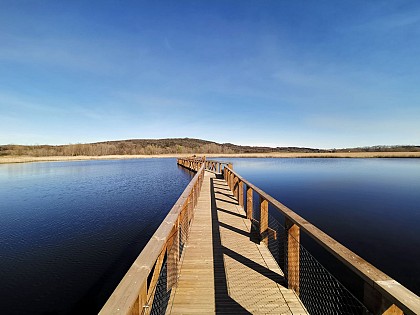
Travel back in time to the feudal era by visiting the villages of La Capelle and Masmolène and their heritage treasures. Discover exceptional landscapes through the pond, a Natura 2000 protected area that hosts a rare specific fauna and flora. From the parking Place du 19 Mars 1962, follow the Montée Tour d'Adelar for about 170m, and observe on your left the Chapelle de la Tour. Continue for another 40m on the Tour d'Adelar hill, then turn right at the crossroads and continue for 130m, then take the hiking trail on your left that goes down and follow it for about 700m. When you reach the signpost "Blaquière", turn right towards "Caser et Blaquière". Once there you can see the windmill on your left. Then follow the direction "Le Planet". When you arrive on the "chemin des Cazels", at the crossroads, turn right on "le chemin de Gaujac" for 180m then turn right again on "le chemin des Jasses" until you reach the "Place de la Fontaine" at 200m. You will see the church on your left, take its direction on the street "Helias de Saint-Irieix". Once on the church square, go towards the Château de la Capelle located at the end of the square. On the other side of the road, an information panel presents the history of the village. Follow the direction "Etang de la Capelle" at 1.2km, following the "Route d'Uzès", then the sign "Pêche municipale". After having discovered the pond of the Capelle, go towards the parking lot and take the road located on the right of the house in front of the information panel on 80m. At the crossroads, a cyclo loop sign indicates "Boucle de la Garrigue". Follow the directional post "Barbion", then the one for "Camperjura". Then take the direction of "Peyreguil", then "Le Plan". At the post with the yellow marker, take the path on the right, continue for 10m and go towards the path on the left of the private property. Once back on a wider path, follow it for about 500m until you come back on the paved road to Flaux. You can see the village of La Capelle-et-Masmolène on the hill. Turn right and go up towards the village, for 300m, until you see the signpost "Le Plan". Go towards Masmolène by taking the "route de Vallabrix", then "la rue de la Fontaine Nouvelle", and finally turn left to come back to the parking Place du 19 Mars 1962.

2 h
7.6 km
Easy
Parking Place du 19 Mars 1962 30700 La Capelle-et-Masmolène
Show
Tree trail - North loop
15 km

Tree trail - North loop

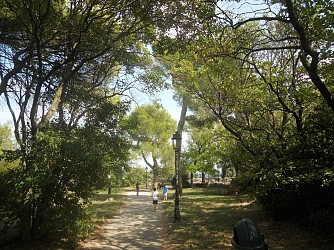
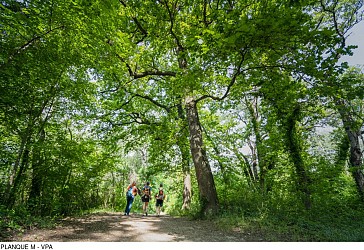
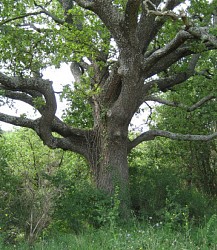
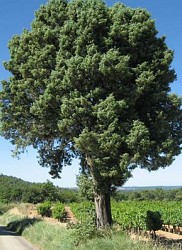
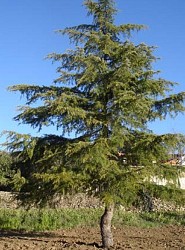
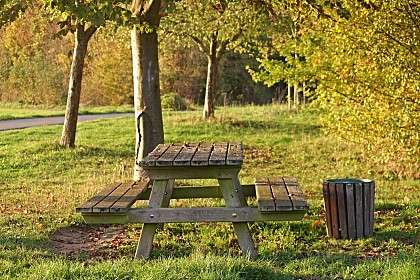
The Groupe de Passionnés de Nature de Vallabrix (G.P.N.) invites you to discover trees and shrubs, learn about their characteristics and enjoy the beauty of nature, always with respect for the environment. Start: Town Hall parking lot, Vallabrix You are in the Mairie, Foyer, Isabelle Autissier School parking lot. Leave the parking lot by the road below the school, admire the very large oak trees in the park on your left, and you'll come to the road; take the opposite direction to the Cave Coopérative, but be very careful crossing it! Drive past the old cellar on your right: Le Grenadier N° 4 and Le Néflier N° 5. Continue straight ahead, past the public garden with the communal compost bins and : Le Cèdre N°30. Continue on Chemin du Grand Planas as far as the cross: Croix du clos D'Ozon. Head straight down the steep slope, and don't miss on your right: L'Arbousier N°36. The road continues and crosses the Alzon, a little further on your left: Le Platane N°3. Continue along this road for a few dozen metres and turn right at the top of the hill, along the vineyard. Further on, you'll pass a mazet on your left; the road makes a large S at this point, and you're almost at the end of the vineyard. In an unwooded nook on your right, you can't miss the magnificent : Le Chêne N°1. Continue for about 30 m, the path bends to the right, at the end, on the tarmac, take the road downhill, before crossing the Alzon again, you'll see on your left: L'Aulne or Verne N°31. As soon as you have crossed the Alzon, turn left: Le Noisetier N°23. Continue and turn left up the grey clay path, where you'll come across sea urchins (fossils on the ground) on your left: Le Genêt N°27. Continue to the left, and near the Madonna, you'll see on your left: Phoenician Juniper N°32. Turn left down the path and you'll come to a road. Turn right, and on your right: Le Genévrier de Phénicie: Le Frêne N°19. Continue to the crossroads and keep going straight downhill towards Alzon: Le Laurier Sauce N°21. A little further on, before the right-hand bend, you'll see : Le Sureau N°33. You'll reach the Alzon on your left: Peuplier N°18. Almost at the same level on your right: Ailante N° 26. Next to it, take the path upwards and to your left : Yew N° 22. Continue until you reach the road (take care) and turn right into Rue du Porche. At the bottom of this street, turn right and continue to the Place de l'Horloge, where you'll find the church: Le Murier N°15. Opposite the church, take the street back to the parking lot. This is the end of the north/west loop.

48 min
3.1 km
Very easy
Parking de la mairie 30700 Vallabrix
Show
Tree trail - South loop
15 km

Tree trail - South loop

The Groupe de Passionnés de Nature de Vallabrix (G.P.N.) invites you to discover trees and shrubs, learn about their characteristics and enjoy the beauty of nature, always with respect for the environment. Start: Town Hall parking lot, Vallabrix You are in the Mairie, Foyer, Isabelle Autissier School parking lot. Exit the parking lot to the north, take the Grande Rue to the 12th-century church. On your right, the public garden and in front of you : Le Cyprès N°7 and l'Érable Negundo N°8. Leave the Jardin Public, go down and take the Chemin des Jardins opposite you, at the end of the château wall, on your right: Le Févier N°9. A few dozen meters further on, on your left: Le Figuier N°20. Go straight on to the crossroads, turn right and take the 1st asphalted road on your left. A few metres further on, on your left, you'll see : L'Orme N°24. Continue along this path to the crossroads, before the equestrian center, fork left; you'll come to a small grove, on your right: Le Châtaignier N°13. On the same road, you'll pass : Robinier N°29. Continue along this path, and further right is : Hawthorn N°34 and Fusain N°10. Follow this path up to the tarmac, then go straight on, passing : Le Cade N°12. Continue on and park for a few moments in front of the water tower, where we have installed a bench; against the water tower : Le Nerprun N°11. At the top of this climb, on the flat left, you'll find the best view of the village of Vallabrix. Follow this road to the left: Le Poirier N°17. Depending on the season, you may come across orchids along the roadside. Continue downhill to the Croix de Lussan. Another bench invites you to take a break; cross the road (with care) to take the path that descends opposite: Le Noyer N°2. Turn left and follow the Chemin de Crête, with the river Alzon below. Try to spot a few different nesting boxes. Numerous wild almond trees, including : L'Amandier N°28. Continue along this path, and at the corner of a wall on your left: Amelanchier N°35. You arrive in a pine forest: Pine N°6. Go straight on, and turn left: L'Olivier N°25. Then, just before the Y on the right, you'll see a post indicating the start of the Charlie trail (for a future walk) take the left-hand branch of the Y, below the road; turn right; near the Vallabrix sign on the left: Le Micocoulier N°14. Continue, and at the crossroads, descend to the left. In front of a tower of the old rampart, descend (hairpin bend) on your left to the fountain and : Le Tilleul N°16. At the very end, you'll come to a beautiful wash-house. Retrace your steps towards the tower and walk up the street along the rampart. Turn left into Place de l'horloge, where a gate on your left leads into the courtyard, where you can admire a listed facade. This square is home to several Mulberry trees, described in the north loop. Take the street opposite the church and return to the parking lot.

1 h
4.5 km
Very easy
Parking de la mairie 30700 Vallabrix
Show
Tree trail - Big loop
15 km

Tree trail - Big loop

The Groupe de Passionnés de Nature de Vallabrix (G.P.N.) invites you to discover trees and shrubs, learn about their characteristics and enjoy the beauty of nature, always with respect for the environment. Start: Town Hall parking lot, Vallabrix You're in the Mairie, Foyer, Isabelle Autissier School parking lot. Leave the parking lot by the road below the school, and admire the very large oak trees in the park on your left. When you reach the road, go straight ahead towards the Cave Coopérative - be very careful when crossing it! Drive past the old cellar on your right: Le Grenadier n°4 and Le Néflier n°5. Continue straight ahead, past the public garden with the communal compost bins and : Le Cèdre n°30. Continue along the Chemin du Grand Planas to the cross (Croix du Clos d'Ozon). Head straight down the steep slope, and don't miss on your right: L'Arbousier n°36. The road continues over the Alzon. A little further on, on your left: Le Platane n°3. Continue along this road for a few dozen meters, then turn right at the top of the hill, along the vineyard. Further on, you'll pass a mazet on your left. The path forms a large S: you're almost at the end of the vineyard, in an unwooded nook on your right. You can't miss the magnificent : Oak n°1. Continue for about 30 m; the path turns right. At the end, on the tarmac, take the road down. Before you cross the Alzon, turn left: L'Aulne (or Verne) n°31. As soon as you have crossed the Alzon, turn left: Le Noisetier n°23. Continue, then turn left up the grey clay path. On this urchin path (fossils on the ground), you'll find on the left: Le Genêt n°27. Continue left; near the Madonna, you'll find on your left: Phoenician Juniper n°32. Turn left down the path, then join the road. Turn right, and on your right: Le Frêne n°19. Continue to the crossroads and keep going straight downhill towards Alzon. You will pass : Le Laurier-sauce n°21. A little further on, before the right-hand bend, you'll find : Le Sureau n°33. You arrive at the Alzon: on your left, Le Peuplier n°18, and almost opposite, on your right: L'Ailante n°26. Next to the latter, take the path leading uphill; on your left : L'If n°22. Continue until you reach the road (take care) and turn right into Rue du Porche. At the bottom of this street, turn right, then left into rue des Remparts, until you reach a dead end: Le Tilleul n°16. At the very end, you'll come to a beautiful wash-house. Return, then turn right onto Condamines, and right again towards La Capelle-et-Masmolène. Near the Vallabrix sign, turn right: Le Micocoulier n°14. Continue, then take the path on the left near the hydrant. After the Y-shaped fork, turn right: L'Olivier n°25. Go straight on; left: Le Pin n°6. At the corner of a wall, turn right: Amelanchier n°35. As you continue, you'll come across several wild almond trees, including : L'Amandier n°28 (beware, bitter almonds). Further on, the ridge path offers a fine view of the River Alzon below, and is home to several nesting boxes. Continue straight on to the Croix de Lussan. Cross the road with care and take the uphill path opposite. At the side of the road, you'll find : Le Noyer n°2. Depending on the season, wild orchids can sometimes be seen on the way up. Further up, on the right: Le Poirier n°17. Continue along this road: on the flat, left-hand side, you'll find the best view of the village of Vallabrix. Against the water tower, take a break on the bench and observe : Nerprun n°11. Continue straight ahead to pass by : Le Cade n°12. A little further on, the path becomes a footpath. On your left, you'll see : Fusain n°10 and Hawthorn n°34, then Robinier n°29. Still on this path, on your left, in a small grove, you'll find : Le Châtaignier n°13. Before the riding school, turn right. Continue to the crossroads, then turn left: on your right is : L'Orme n°24. Proceed to the next intersection and turn right. A few dozen metres further on, on your right, you'll see : Le Figuier n°20, then left, at the end of the castle wall: Le Févier n°9. Continue up the chemin des Jardins to reach the public garden. In front of you are : Cypress n°7 and Maple negundo n°8. On your right, the XIIᵉ century church; in front, you'll find: Mulberry n°15. Opposite the church, take the street back to the parking lot - it's already the end of the loop.

2 h
7.1 km
Very easy
Parking de la mairie 30700 Vallabrix
Show

What to do in CAMPING LE DOLIUM

See more suggestions
Experience unique moments with the bookable activities in CAMPING LE DOLIUM.
See more suggestions
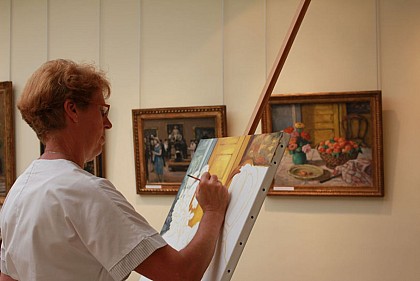
Musée Albert-André
7.8 km

Musée Albert-André

Discover an exceptional collection of figurative paintings from Post-Impressionism to the present day, featuring masterpieces by some of the greatest modern painters: Renoir, Matisse, Bonnard, Signac, Marquet, Valadon, Van Dongen... Musée Albert-André: the museum of friendship. The first provincial museum of modern art It was the painter Albert André (1869-1954) who, when he became curator in 1917, turned the encyclopedic museum in Bagnols-sur-Cèze into the first museum of contemporary art in France. Grenoble and Saint-Tropez soon followed suit. Described as a museum of friendship, the collection was enriched by donations from painters who were friends of the curator. The masters Renoir and Monet gave him the expected support, as did the artists of his generation: Georges D'Espagnat, Louis Valtat, Jean Puy... The "young painters" of the 1950s From the 1950s onwards, the "Jeune Peinture" movement advocated a return to figuration. The museum is particularly rich in evidence of this new figurative wave: Bardone, Génis, Guiramand combine tradition and modernity in the jubilation of color, soon followed by Lesieur, Collomb, Lorjou, Minaux, Brasilier, Petit, Parsus, Rodde and more recently by Cayol, Cottavoz, Maly, Steiner... The George Besson collection What all these artists have in common is their close relationship with art critic George Besson, who was an ardent supporter of their work, notably in Les Lettres françaises. In the evening of his life, George Besson, in agreement with his wife, donated his collection to the French state, with part of it deposited in Bagnols-sur-Cèze. As a result, the Musée de l'Amitié is proud to present a number of emblematic masterpieces of twentieth-century art, including Marquet's Le 14 juillet au Havre, Matisse's La fenêtre ouverte à Nice, Bonnard's Bouquet de fleurs des champs and Van Dongen's Portrait d'Adèle Besson.

Hôtel de Ville (2e étage) - Place Auguste Mallet 30200 Bagnols-sur-Cèze
Book from 0 €Book
Show
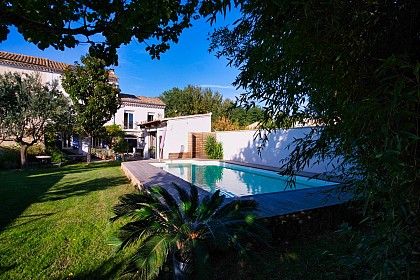
Bed and breakfast Le Mas Cothy
11 km

Bed and breakfast Le Mas Cothy

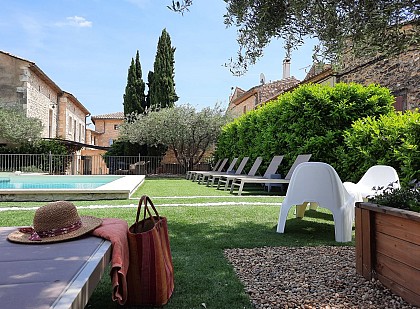
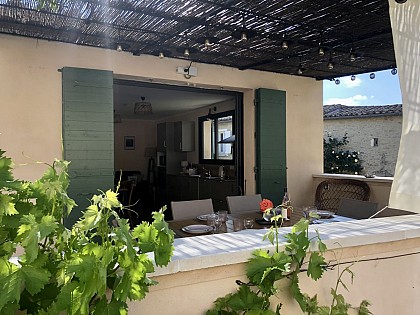
Our guest house is an 18th-century farmhouse located in a residential area of Roquemaure, in the heart of the vineyards and cradle of the Côtes du Rhône. Right in the heart of the Côtes du Rhône vineyards, from which it originated, Roquemaure is located on the banks of the river, offering quick access to numerous hiking trails, with Mont Ventoux in the background. Our house is a former 18th-century farmhouse, separated into two separate dwellings. A private part, previously restored, and a part dedicated to guests, which my wife and I have renovated and decorated. It comprises three bedrooms on two floors and a shared kitchen. Outside, there's a 30m² terrace and a 600m² garden with an 8x4m swimming pool and Jacuzzi. It's located in a quiet residential area in the village of Roquemaure, 16km from Avignon, ideally situated between the Vaucluse and Gard regions to discover the tourist highlights of the South of France. The village has a rich history, thanks in particular to its geographical location on the banks of the Rhône and its proximity to Avignon. As a hub for wine transportation, it was here that the Côtes du Rhône appellation was created. Today, the remains of the château and the collegiate church bear witness to this prestigious past. The latter is still important today, as it houses the relics of Saint Valentine, which are the subject of an annual votive celebration attracting large numbers of devotees. Its baroque organ is listed as a historic monument. In addition to the region's many tourist and cultural attractions, the wine industry shapes the landscape. We're close to the famous vineyards of Châteauneuf-du-Pape and Tavel, as well as Lirac, Laudun and Chusclan, lesser-known but well worth a visit and tasting for wine lovers. What's more, the wineries regularly organize activities focusing on wine, local gastronomy and the Gallo-Roman history that has left us so many vestiges.

234, Chemin du Plan 30150 Roquemaure
Book from 0 €Book
Show
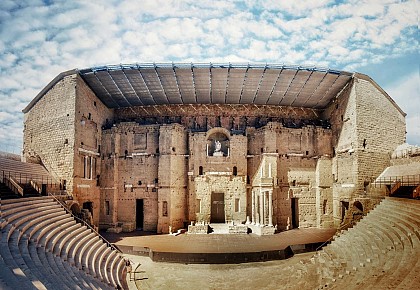
Théâtre Antique d'Orange
13 km

Théâtre Antique d'Orange

The ancient theater of Orange is the best preserved in the Western world. Listed as a UNESCO World Heritage Site since 1981, it owes its fame to its monumental stage wall. "The most beautiful wall in my kingdom", said Louis XIV. The audioguided tour will take you back through the history of the monument, as well as the Musée d'Art et d'Histoire, which traces the history of Orange from antiquity to the 20th century. Built at the beginning of the Christian era, it owes its reputation to the remarkable preservation of its stage wall. The Theatre features all the components of the Latin Theatre according to Vitruvius: the cavea (hemicyclic seating), the side entrances and the stage wall flanked by parascenia. Designed to accommodate Gallo-Roman audiences, this was the place to spread Roman culture and language. 9,000 spectators could attend tragedies and comedies, as well as dance, acrobatics and juggling shows. Columns and numerous statues in niches originally decorated the stage wall. Burnt down in the 4th century, the theater lost its original function. Its location at the foot of the hill made it an integral part of the city's defense. Over time, it was invaded by houses and became a veritable residential district. It wasn't until the 19th century that the ancient theater was revived as a performance venue. Auguste Caristie, chief architect of historic monuments, was responsible for its restoration. Today, the theater welcomes tens of thousands of spectators every year for various summer events, including the famous Chorégies. The virtual reality experience "Les Secrets du Théâtre, un voyage inattendu" plunges you into the heart of the Theater's golden age in the 1st century, to discover its monumental sets. At the heart of the Theatre's visit is an educational trail entitled "From Roman to Modern Genius", which shows you how Roman genius developed in a remarkable way and left its mark on our modern culture and civilization. A new "Legends of the Theatre" tour is also available, allowing you to experience the magic of contemporary shows through 360° videos. Built under Tiberius in the 1st century, the Arc de Triomphe served as the gateway to the Roman city of Arausio. Its magnificent panels and friezes commemorate Roman victories over barbarian peoples. Another testament to Roman grandeur in Orange, the Arc de Triomphe was added to UNESCO's World Heritage List in 1981. Store open every day, all year round

Rue Madeleine Roch 84100 Orange
Book from 0 €Book
Show
Brotte House
15 km

Brotte House

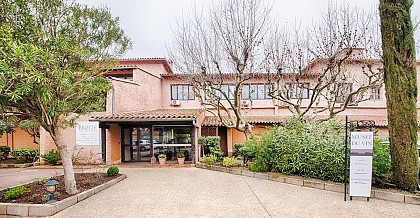
The Brotte family has been producing Châteauneuf-du-Pape and Rhône Valley wines since 1931. They own three wine estates: in the Châteauneuf-du-Pape and Cairanne crus, and in the Côtes-du-Rhône Villages Laudun appellation. Maison Brotte shares its winemaking expertise through a comprehensive and entertaining tour, revealing all the secrets of wine-making and the special characteristics of Châteauneuf-du-Pape and the Rhône Valley. In a 500 m2 duplex, you'll be immersed in the daily life of a winemaker, from vine to bottle. In the background, ancient tools plunge you into traditional Rhône Valley viticulture and vinification. They were obtained thanks to scrupulous research by Jeanne Brotte, founder of the Musée du Vin Brotte in 1972. The Museum tour is audio-guided, available in 6 languages (FR, ENG, DEU, CHN, RUS, PRT) and lasts 45 minutes. Our sommeliers will then welcome you for a tasting of our Châteauneuf-du-Pape estate wines. They'll also be on hand to advise you in the sales boutique, where you'll find a wide selection of Brotte wines from Châteauneuf-du-Pape and the Rhône Valley, as well as exclusives such as old vintages, great bottles and special offers. A range of services are available to our visitors: DISCOVERY TOUR: Audio tour of the Museum (in 6 languages) Tasting of 3 La Maison BROTTE wines Length of visit: 1h Price : Adults: €8/person -18 years: free PRESTIGE TOUR: Audio tour of the Museum (in 6 languages) Tasting of 5 La Maison BROTTE wines Duration of visit and tasting: 1h30 Price : Adults: €12/person -18 years: free GOURMAND TOUR: Audio tour of the Museum (in 6 languages) Tasting of 3 La Maison BROTTE wines paired with 3 delicacies from the Arnaud-Soubeyran factory Duration of visit and tasting: 1h30 Price : Adults: €16/person -18 years: free

Avenue Pierre de Luxembourg BP1 84230 Châteauneuf-du-Pape
Book from 0 €Book
Show
Air de Nature - Accrobranche Park - Reopening in 2026
16 km

Air de Nature - Accrobranche Park - Reopening in 2026

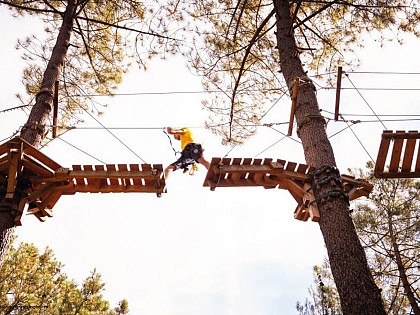
Reopening 2026. Discover AIR DE NATURE, the accrobranche park in Saint Quentin la Poterie! Enjoy forest adventures, surprising trees and activities for the whole family in an exceptional natural setting. Accrobranche around Beaucaire, in the Gard region of France 5 minutes from Uzès, 20 minutes from the Pont du Gard, an accrobranche with 14 courses and 190 accessible workshops for both the quietest and the bravest. Nestled in the Forêt de Castagniers et Broussières, the park was built on an old sand quarry over 70 years ago. As you stroll along its towering maritime pines, you'll discover a rich, colorful natural heritage. If you climb, the adventure begins and you gradually gain height, discovering the treetops and surrounding hills. - 4 courses 100% zip lines - 17-metre high jump - Archery Tag: team battle with bow and arrow - Ground play area and courses accessible from age 2. The little ones can also try their hand at their first accrobranche workshops, while discovering nature at the same time. Individuals and groups welcome. A walk in the heart of the maritime pines: Take a stroll under the tall maritime pines and discover a natural heritage of varied colors. The forest offers total immersion, with landscapes where shades of green, ochre and earth blend harmoniously for an assured change of scenery. Relaxation and refreshment under the trees: For a well-deserved break, head for our shady terrace under the oak and chestnut trees. Whether you're looking for a snack, a refreshing drink or simply a break, this is the place to relax in the heart of nature.

Route de Vallabrix (D5), accès via la carrière de Vallabrix 30700 Saint-Quentin-la-Poterie
Book from 0 €Book
Show

What to visit in CAMPING LE DOLIUM

See more suggestions
Visit the iconic landmarks of CAMPING LE DOLIUM.
See more suggestions
Musée Albert-André
7.8 km

Musée Albert-André

Discover an exceptional collection of figurative paintings from Post-Impressionism to the present day, featuring masterpieces by some of the greatest modern painters: Renoir, Matisse, Bonnard, Signac, Marquet, Valadon, Van Dongen... Musée Albert-André: the museum of friendship. The first provincial museum of modern art It was the painter Albert André (1869-1954) who, when he became curator in 1917, turned the encyclopedic museum in Bagnols-sur-Cèze into the first museum of contemporary art in France. Grenoble and Saint-Tropez soon followed suit. Described as a museum of friendship, the collection was enriched by donations from painters who were friends of the curator. The masters Renoir and Monet gave him the expected support, as did the artists of his generation: Georges D'Espagnat, Louis Valtat, Jean Puy... The "young painters" of the 1950s From the 1950s onwards, the "Jeune Peinture" movement advocated a return to figuration. The museum is particularly rich in evidence of this new figurative wave: Bardone, Génis, Guiramand combine tradition and modernity in the jubilation of color, soon followed by Lesieur, Collomb, Lorjou, Minaux, Brasilier, Petit, Parsus, Rodde and more recently by Cayol, Cottavoz, Maly, Steiner... The George Besson collection What all these artists have in common is their close relationship with art critic George Besson, who was an ardent supporter of their work, notably in Les Lettres françaises. In the evening of his life, George Besson, in agreement with his wife, donated his collection to the French state, with part of it deposited in Bagnols-sur-Cèze. As a result, the Musée de l'Amitié is proud to present a number of emblematic masterpieces of twentieth-century art, including Marquet's Le 14 juillet au Havre, Matisse's La fenêtre ouverte à Nice, Bonnard's Bouquet de fleurs des champs and Van Dongen's Portrait d'Adèle Besson.

Hôtel de Ville (2e étage) - Place Auguste Mallet 30200 Bagnols-sur-Cèze
Book from 0 €Book
Show
Théâtre Antique d'Orange
13 km

Théâtre Antique d'Orange

The ancient theater of Orange is the best preserved in the Western world. Listed as a UNESCO World Heritage Site since 1981, it owes its fame to its monumental stage wall. "The most beautiful wall in my kingdom", said Louis XIV. The audioguided tour will take you back through the history of the monument, as well as the Musée d'Art et d'Histoire, which traces the history of Orange from antiquity to the 20th century. Built at the beginning of the Christian era, it owes its reputation to the remarkable preservation of its stage wall. The Theatre features all the components of the Latin Theatre according to Vitruvius: the cavea (hemicyclic seating), the side entrances and the stage wall flanked by parascenia. Designed to accommodate Gallo-Roman audiences, this was the place to spread Roman culture and language. 9,000 spectators could attend tragedies and comedies, as well as dance, acrobatics and juggling shows. Columns and numerous statues in niches originally decorated the stage wall. Burnt down in the 4th century, the theater lost its original function. Its location at the foot of the hill made it an integral part of the city's defense. Over time, it was invaded by houses and became a veritable residential district. It wasn't until the 19th century that the ancient theater was revived as a performance venue. Auguste Caristie, chief architect of historic monuments, was responsible for its restoration. Today, the theater welcomes tens of thousands of spectators every year for various summer events, including the famous Chorégies. The virtual reality experience "Les Secrets du Théâtre, un voyage inattendu" plunges you into the heart of the Theater's golden age in the 1st century, to discover its monumental sets. At the heart of the Theatre's visit is an educational trail entitled "From Roman to Modern Genius", which shows you how Roman genius developed in a remarkable way and left its mark on our modern culture and civilization. A new "Legends of the Theatre" tour is also available, allowing you to experience the magic of contemporary shows through 360° videos. Built under Tiberius in the 1st century, the Arc de Triomphe served as the gateway to the Roman city of Arausio. Its magnificent panels and friezes commemorate Roman victories over barbarian peoples. Another testament to Roman grandeur in Orange, the Arc de Triomphe was added to UNESCO's World Heritage List in 1981. Store open every day, all year round

Rue Madeleine Roch 84100 Orange
Book from 0 €Book
Show
Fortress in Mornas
13 km

Fortress in Mornas

Come and push open the door of the Mornas fortress. A host of ladies and lords will tell you all about the customs and traditions of the Middle Ages in an original, entertaining and interactive way! The Fortress of Mornas Queen of the Rhône Valley, Proudly set atop a 137-metre-high cliff, the Fortress of Mornas was originally a bastion of military defense. Occupied since ancient times, the site reveals its history from its origins to its desertion after the Wars of Religion. Today, you can immerse yourself in the atmosphere of the Middle Ages, as you stroll through these 12th-century walls. In the heart of the fortress, you'll find some of the finest buildings in the fortress. Here you'll find the attic, the fortress's salt vault, the treasure of Mornas. Discover the journey, use and importance of salt throughout history, and discover the barbican, the surrounding walls, the keep and a breathtaking view of the Rhône valley. The fortress is open from Easter to October 31. It can be visited either : - An animated visit: lasting around 1h15, this is an immersion medieval history. You'll be immersed in the atmosphere, with costumed characters and impromptu situations. These tours are accompanied by tour guides. Suitable for the whole family - The self-guided tour: allows you to discover the fortress at your own pace, with documentation detailing all the important points of the site given to you on arrival, and explanatory panels along the way. Access to the fortress is on foot, via montée de la Combe and montée André Caillet. Estimated time: 30 minutes. Tables and benches are available along the way. The fortress has no water or toilet facilities. Toilets are available on the Val Romigier esplanade. The fortress does not sell drinks, so please bring your own water bottle. PROGRAM 2025 : Open daily from April 5. Guided tours: Wednesdays and Sundays from April 6 to 30. Guided tours + workshops: May 8 to 11 and June 8 and 9. Event days: - April 20 and 21: Falconry in the Spirit of Falconry - May 1, 2, 3 and 4: Medieval battles with the Chevaliers des Terres d'Occitanie. - May 29 and 30: Children's medieval fair. - July 12 to August 24: 6 weeks of entertainment: Falconry on Sundays and Mondays and guided tours on other days.

Forteresse Haut du village 84550 Mornas
Show
Châteauneuf-du-Pape
14 km

Châteauneuf-du-Pape

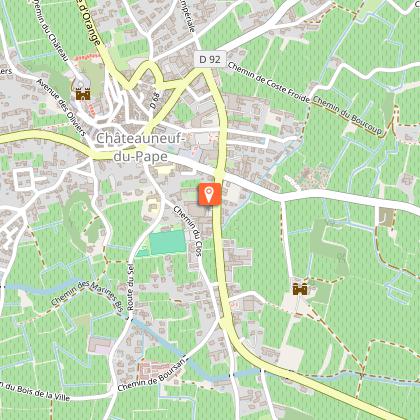
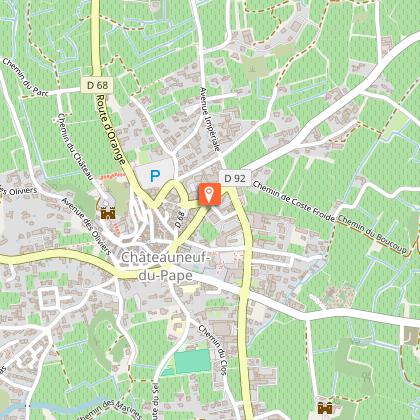
A delightful medieval village with 2,156 inhabitants on the left bank of the River Rhone, Châteauneuf-du-Pape is the unique starting point for wine lovers wishing to explore the most prestigious wines of the Rhone Valley. Visiting the village on foot will help you appreciate its rich heritage, with the high point being the famous Château des Papes, the former summer residence of the sovereign pontiffs in Avignon. Come and explore our town, with its little streets, its wine cellars and estates where you can taste the divine nectar - with pleasure guaranteed! Find out about the history of the village through its various monuments: ** The Château des Papes, dating from the 14th century, listed as a Historic Monument since 1892 ** Notre Dame de l’Assomption, 12th century church ** Saint Théodorit Chapel, built in the 10th or early 11th century, listed as a Historic Monument in 1984 for the frescoes decorating the choir ** Bienheureux Pierre de Luxembourg Chapel ** The oratories - St Marc oratory, St Joseph oratory, oratory of the Crucifix ** Hers Tower (private property, not open for visits) ** Islon St Luc, a protected natural site, the starting point for hiking trails Discover all the secrets of the Châteauneuf-du-Pape appellation with an audio-guided visit to the Wine Museum (admission free). Did you know? The village is lucky enough to have a chocolate factory, the Chocolaterie Bernard Castelain, a manufacturer of traditional chocolates, about 2 km from the town centre. In summer you can enjoy some delicious ice creams! Lastly, the Blachère Distillery, next to the chocolate factory, is one of the oldest distilleries in Provence. Here Vintage Marcs of Châteauneuf-du-Pape are made, liqueurs and syrups, including the famous Pac Lemon drink. Once a year, the village goes back in time to the Middle Ages for the not-to-be-missed Fête de la Véraison! Every year, on the first weekend in August, for the past 30 years, the Fête de la Véraison has transformed the old town into a real medieval village, with performances, historic reconstitutions, parades and scenes from everyday life transporting visitors back to yesteryear. Noble knights and gentle damsels, minstrels and jugglers, merchants and tavern keepers take over the village streets for three days of festivities and entertainment. In the tradition of traditional fairs, the big market has more than a hundred stands devoted to the medieval period. Weekly market on Friday morning.

84230 Châteauneuf-du-Pape
Show

Where to eat in CAMPING LE DOLIUM

See more suggestions
The restaurants of CAMPING LE DOLIUM await you.
See more suggestions

Where to sleep in CAMPING LE DOLIUM

See more suggestions
Find the perfect lodging for your visit to CAMPING LE DOLIUM.
See more suggestions
Bed and breakfast Le Mas Cothy
11 km

Bed and breakfast Le Mas Cothy

Our guest house is an 18th-century farmhouse located in a residential area of Roquemaure, in the heart of the vineyards and cradle of the Côtes du Rhône. Right in the heart of the Côtes du Rhône vineyards, from which it originated, Roquemaure is located on the banks of the river, offering quick access to numerous hiking trails, with Mont Ventoux in the background. Our house is a former 18th-century farmhouse, separated into two separate dwellings. A private part, previously restored, and a part dedicated to guests, which my wife and I have renovated and decorated. It comprises three bedrooms on two floors and a shared kitchen. Outside, there's a 30m² terrace and a 600m² garden with an 8x4m swimming pool and Jacuzzi. It's located in a quiet residential area in the village of Roquemaure, 16km from Avignon, ideally situated between the Vaucluse and Gard regions to discover the tourist highlights of the South of France. The village has a rich history, thanks in particular to its geographical location on the banks of the Rhône and its proximity to Avignon. As a hub for wine transportation, it was here that the Côtes du Rhône appellation was created. Today, the remains of the château and the collegiate church bear witness to this prestigious past. The latter is still important today, as it houses the relics of Saint Valentine, which are the subject of an annual votive celebration attracting large numbers of devotees. Its baroque organ is listed as a historic monument. In addition to the region's many tourist and cultural attractions, the wine industry shapes the landscape. We're close to the famous vineyards of Châteauneuf-du-Pape and Tavel, as well as Lirac, Laudun and Chusclan, lesser-known but well worth a visit and tasting for wine lovers. What's more, the wineries regularly organize activities focusing on wine, local gastronomy and the Gallo-Roman history that has left us so many vestiges.

234, Chemin du Plan 30150 Roquemaure
Book from 0 €Book
Show
Caution!
We have no information on the difficulty of this circuit. You may encounter some surprises along the way. Before you go, please feel free to inquire more and take all necessary precautions. Have a good trip! 🌳🥾