Alert
Alerts
Tour of Laon: ‘The Butte de Laon: water from the bottom to the top’
Description
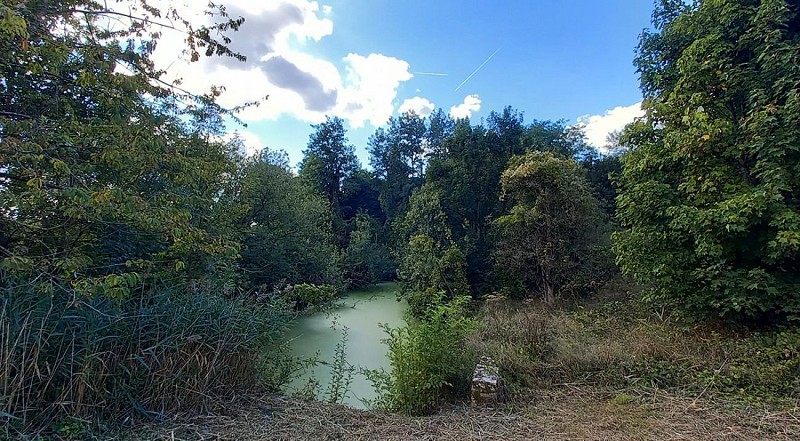
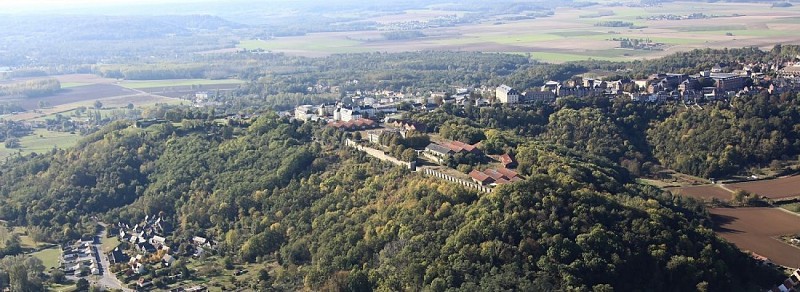
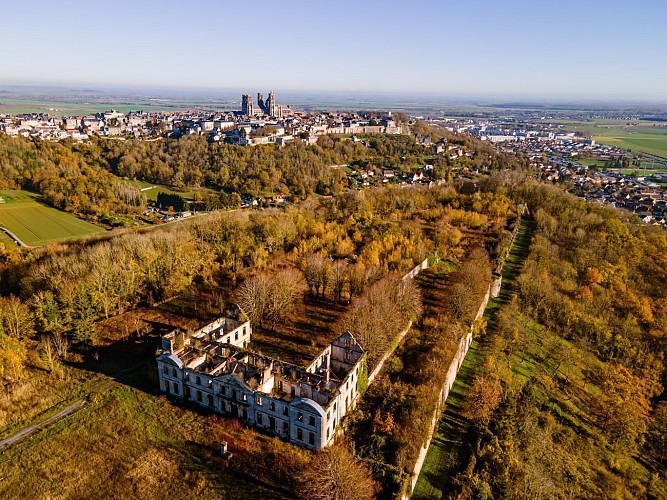
Because of its geological structure, the hillock is full of springs, both in the medieval belt and on the plain.
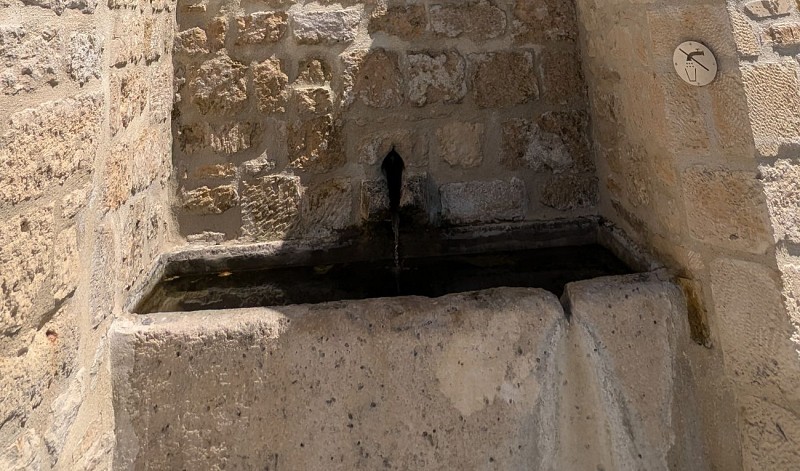
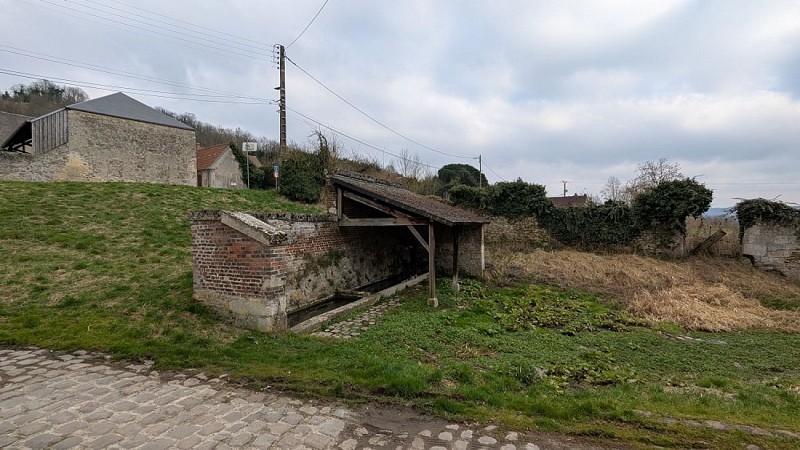
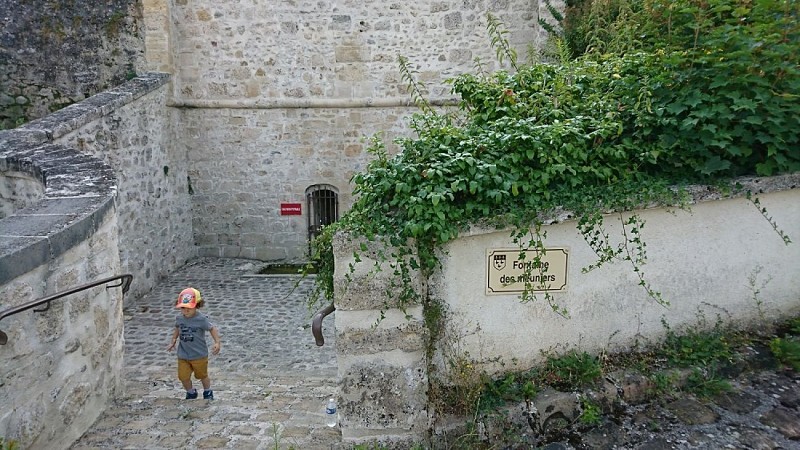
A particular feature of Laon is that the emergence of these springs from different water tables (limestone and sand) encouraged the development of water-supplied districts such as Semilly and Ardon in the lower town and Saint-Vincent Abbey in the upper town.
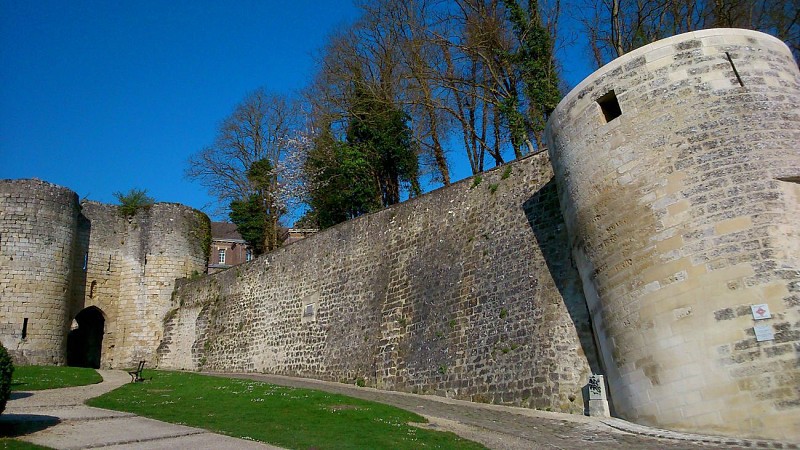
Forgotten today, these structures deserve to be better known. On this tour, you'll discover the geological nature of the hillock, its associated flora and its heritage created around water!
Technical Information
Altimetric profile
Starting point
Points of interest
Additional information
Vegetation on the mound
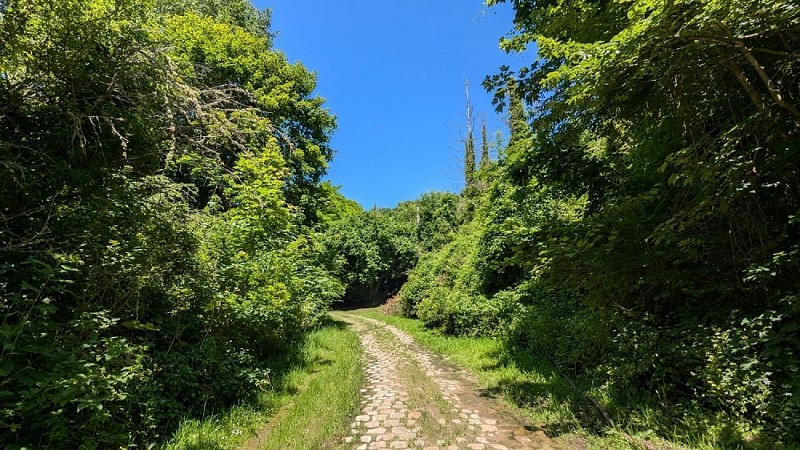
The flora on the entire hillock is predominantly calcicolous and does not reflect the nature of the predominantly sandy terrain, with the exception of the limestone strata at the top. These have been covered by ‘colluvium’ enriched with calcium carbonates, caused by run-off and erosion of the limestone.
All of these environments have been extensively modified by man over the centuries.
In dry areas (such as the sloping area around the rue de la Vieille Montagne), you may come across :
- trees : common ash, black locust (false acacia), small-leaved lime, sycamore maple, pedunculate oak, etc.
- Shrubs: hawthorn, country elm, black elder, common privet, blood dogwood, wild rose, European fusain, blackthorn, hazelnut, bramble, lilac, etc.
- Climbing plants: clematis, ivy, etc.
On the other hand, when these sands outcrop, a dry heath with callunes settles on this acid soil.
As for wetlands (such as the area around the Bousson cemetery) where there is a water table and which have been much disturbed by man, you will see :
- Shrubs, such as willow;
- and herbaceous plants: horsetail, round-leaved mint, common reed, comfrey, etc.
Data author
