Alert
Alerts
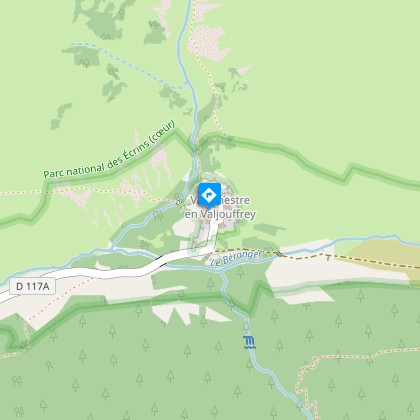
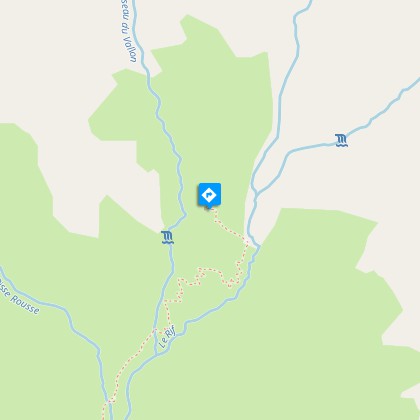
The Valsenestre valley
Description
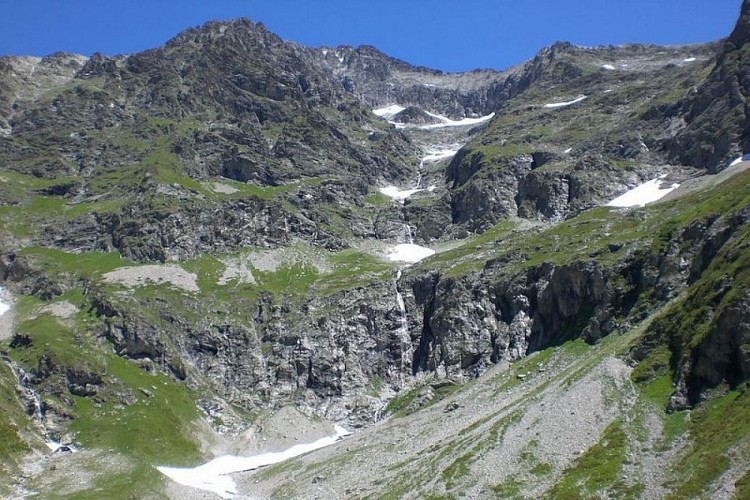
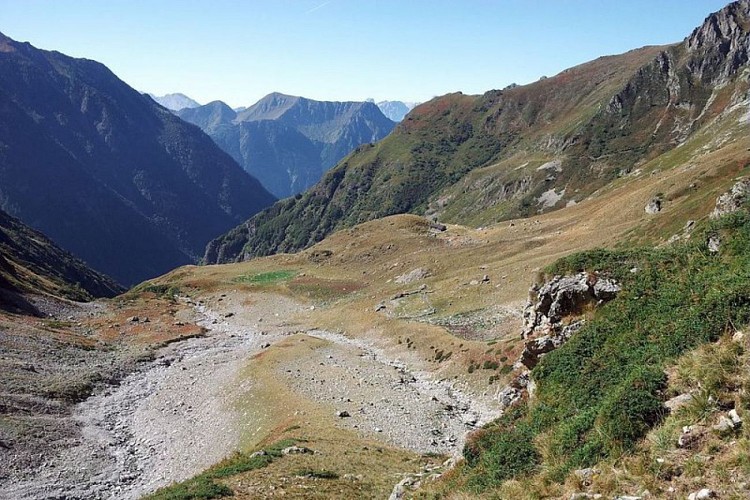
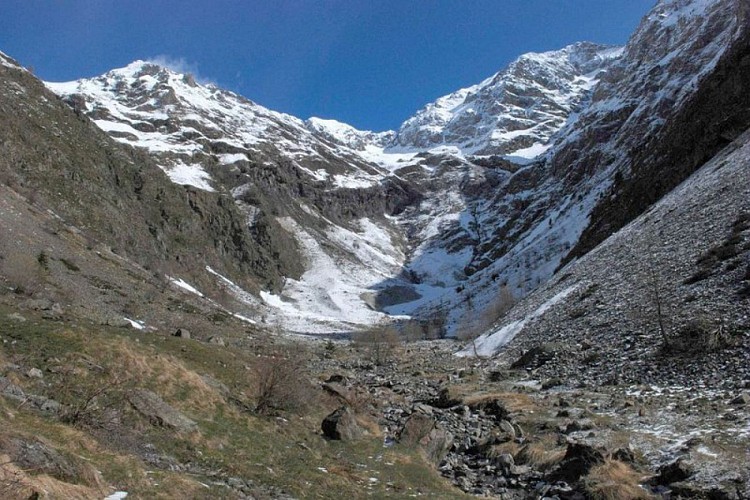
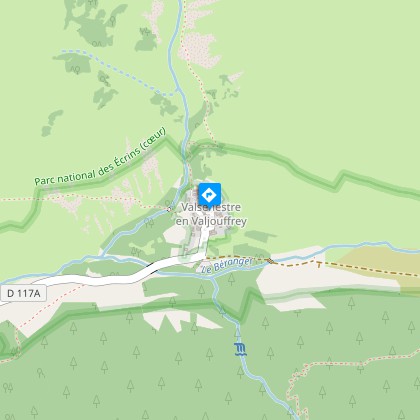
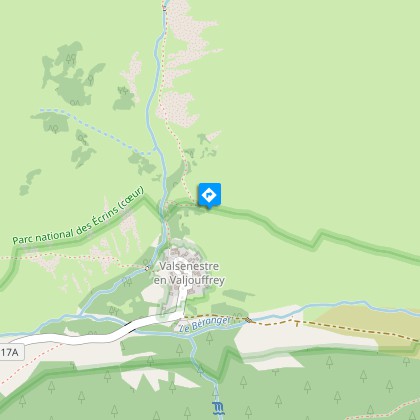
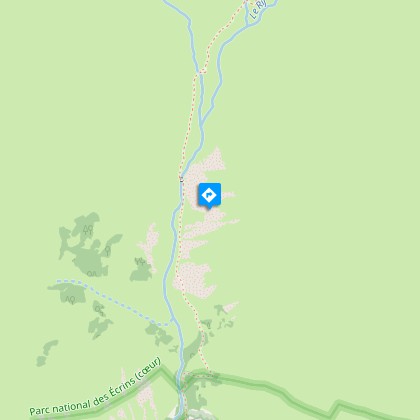
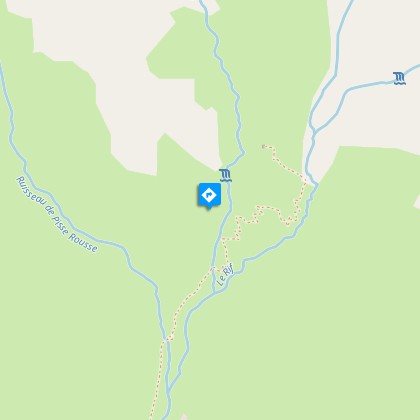
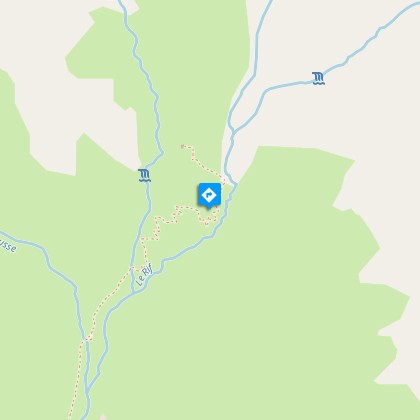
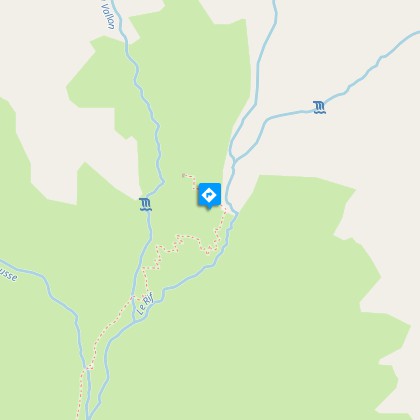
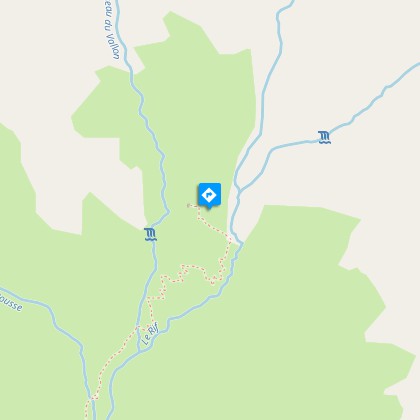
Between mountain cliffs and grassy plateaux, the Valsenestre valley is a favourite spot for rock-climbers.From the village of Valsenestre, after the stopover gîte, follow the path to the left. It heads due north through a few bends over fairly low-lying vegetation. From here, you can see the Béranger valley, before you arrive at a large plateau (Le Clos), where you cross the torrent over a small footbridge. From here on, in summer, you can see sheep grazing in the mountain pastures. Follow the valley along a winding path around a large rocky bar to arrive at the Valsenestre valley. Here there is a shepherd’s cabin where you can watch the chamois and Alpine ibex that are attracted by the salt lick put out for the sheep. Behind the cabin, you can see a waterfall that is the source for the stream.The peaks surrounding this valley reach the high point of 3126 m at the Pic du Clapier du Peyron. To its left are the Brèche de Valsenestre 2,598 m, the Brèche du Lauvitel 2,855 m and lastly the Pas de l'Aiguille 2,354 m. To its right, the Col and the Tête de Ramu (2,760 m).Take the same route on the way back.
Technical Information
Altimetric profile
Starting point
Steps

Additional information
Departure
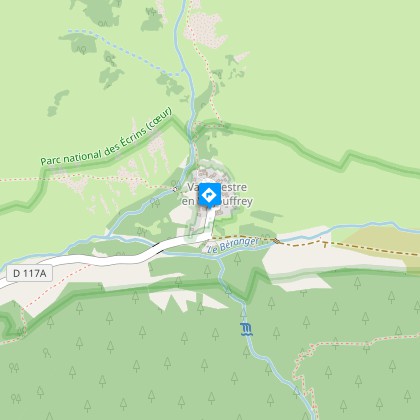
Valsenestre
Ambiance
This trail winds its way through a large valley, inhabited by large number of chamois in the Alpine zone and by Alpine ibex in the mountain cliffs. The valley ends with a pleasant sloping ledge featuring a recently restored and authentic shepherd’s cabin.Vincent Nobili; Valbonnais Park Keeper
Access
D 26 from La MureD 526 from Pont du PrêtreD 117 from Entraigues to La Chapelle and Valsenestre
Advised parking
Haute Vallée du Béranger Nature Reserve car park in Valsenestre
Public transport
Bus from La Mure to Entraigues (Transisere - line 4120). Change at "Entraigues Place" for the local Valjouffrey service (local bus for 8 passengers) to Le Désert-en-Valjouffrey.
Advice
In winter, the access road to the car park is closed.When you arrive at the cabin, you will see the flocks guarded by Pyrenean Mountain dogs, whose role is to defend the sheep. Don’t go too near them - although the dogs seem friendly, they might see you as a threat and become aggressive.
Herd protection dogs
In mountain pastures, protection dogs are there to protect the herds from predators (wolves, etc.).When I hike I adapt my behavior by going around the herd and pausing for the dog to identify me.Find out more about the actions to adopt with the article "Protection dogs: a context and actions to adopt".Tell us about your meeting by answering this survey.
Is in the midst of the park
The national park is an unrestricted natural area but subjected to regulations which must be known by all visitors.
