Alert
Alerts
The edges of the Marne and Charles Trenet's house

Description
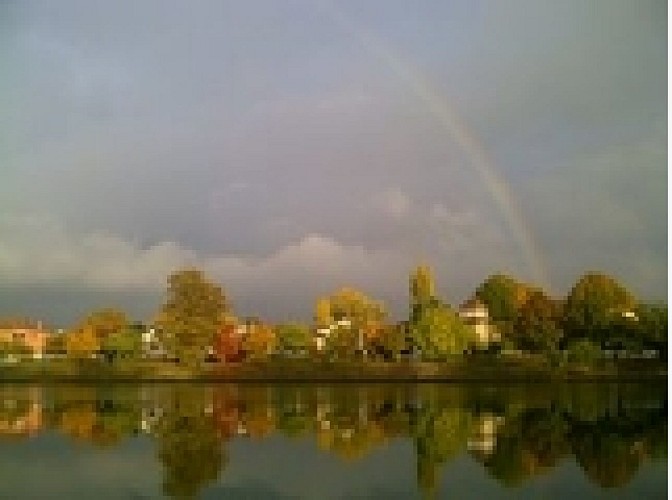
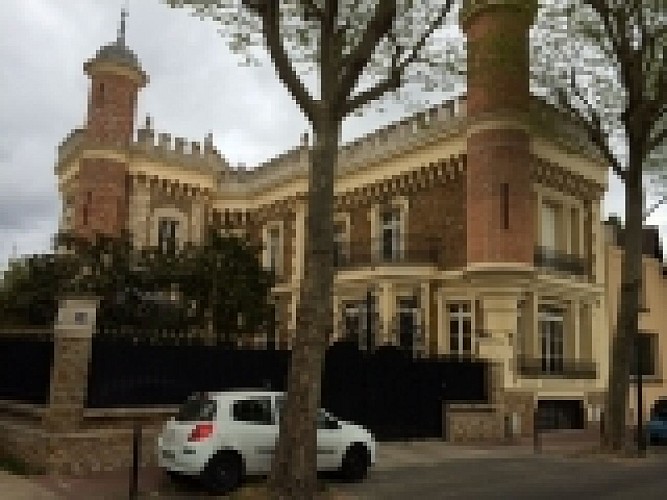
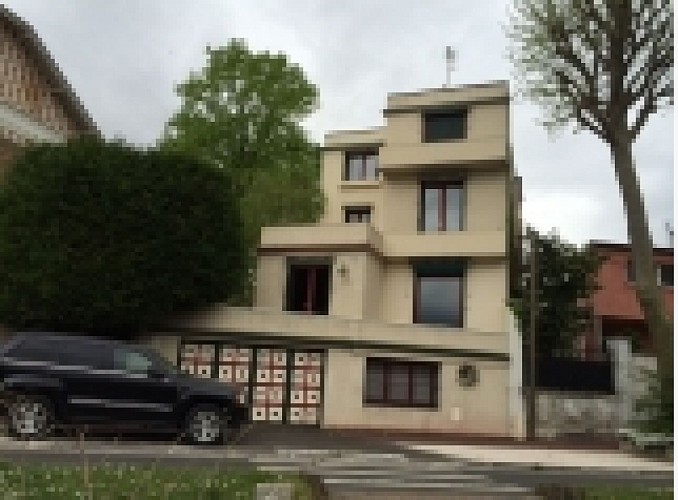
A bucolic stroll in the discovery of canals and edges of the Marne, the paradise of rowings, nautical ski, sails and other canoeings, lined with heterogeneous and often built houses on piles to protect itself from floods. Thatched roof, buildings in white stones, wooden chalets, architect's houses, all the styles mix and we guess the pretty gardens and the generous lawns behind certain high walls...
This stroll invites you to discover the famous Edges of the Marne, a natural heritage protected a few kilometers away from Paris, but also the house of the famous madman singing Charles Trenet.
A walk (with cycle track open to all the modes of soft traffic: bike, rollers, jogging, and walk) is situated at the top of the bank, whereas a path of bank allows the walkers to walk as closely as possible to the water.
Technical Information
Altimetric profile
Starting point
Steps
Points of interest
Data author

The Cirkwi brief
Crafted by Balades Fluviales Fabienne Lemoine Fondateur, this journey immerses you in a unique blend of natural beauty and historical charm just a stone's throw from Paris. As you meander along the scenic banks of the Marne River, prepare to be captivated by an array of architecturally diverse homes, from thatched cottages to modern masterpieces, all nestled amidst lush gardens and verdant lawns. This route offers more than just a picturesque backdrop; it's a gateway to experiencing the serene joy of waterside activities such as rowing, kayaking, and more, while relishing in the tales of Charles Trenet's abode and the canal's rich history penned by Charles Nodier.
Technical Details Unveiled
Spanning 14.615km, with an altitude range from 30m to 44m, this route presents a mild elevation change of approximately 101-106 meters. The journey involves a balanced mix of terrain, including both paved pathways for cyclists, joggers, and skaters, and closer-to-nature trails for walking enthusiasts eager to feel the water's breeze. The route is intelligently designed to offer ease of access and minimal physical challenge, making it welcoming for individuals of all fitness levels. It highlights the meticulous planning and execution that went into the Saint-Maur Tunnel's creation, enhancing the Marne's navigability and adding a unique historical layer to your adventure.
Seasonal Advice and Safety Tips
Regardless of the season, the key to enjoying this scenic route lies in preparation. In spring and autumn, layers are your best friend, as temperatures can fluctuate. During summer, sunscreen and hydration are paramount, with morning or late afternoon being the ideal times to avoid the midday heat. Winter presents its charm with fewer crowds, but it's essential to dress warmly. Safety-wise, the route is friendly for all ages; however, staying alert near water bodies and keeping to designated paths is advised. Don't forget, the pathway caters to various activities, so respect for all users ensures a harmonious experience.
The Cultural Heartbeat of Joinville
Joinville-le-Pont, a jewel nestled in the Île-de-France region, stands as a testament to the symbiotic relationship between Parisians and the Marne River. Over centuries, it has flourished from a strategic crossing point into a vibrant community rich in cultural and historical significance. The Saint-Maur Tunnel's engineering feat in 1825 significantly boosted the area's appeal, making it a beloved retreat for impressionist painters, celebrated poets like Charles Nodier, and the legendary Charles Trenet. This itinerary doesn't just walk you through a scenic route but invites you to tread along the storied paths that shaped the soul of this region.
Climate Insights for the Perfect Visit
The climate in Joinville-le-Pont is generally temperate, marked by mild summers and cool winters. The most agreeable time for embarking on this journey is between late spring and early autumn, from May to September, when the weather is warm, and the risk of rainfall is minimal. This period allows for the full appreciation of the Marne's tranquil waters and the lush, vibrant surroundings. However, for those seeking solace away from the crowds, a crisp, sunny winter day can also offer a serene and introspective experience, albeit with the addition of some extra layers for warmth.