Alert

Alerts

To see around
See more
Open
Close
Show
Show
Show
Show
Show
Show
Show
Show
Show
Show
Show

Oups... It would appear that Cirkwi does not have permission to use your location.

Presentation
Description
Map
Points of interest
Ratings and reviews
See around

WB by bike - The Roman Païs knights
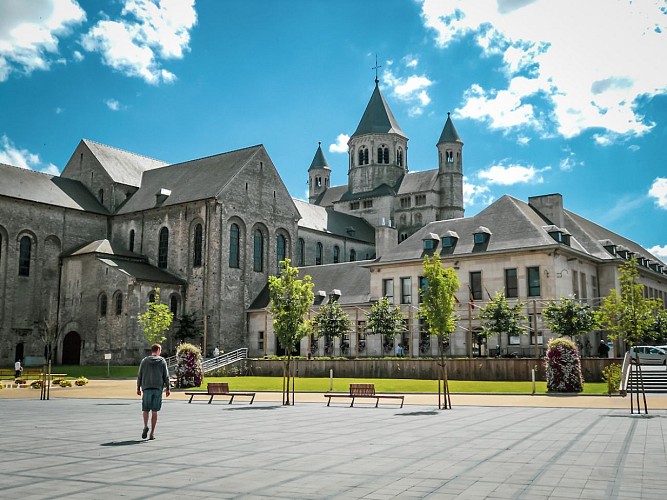
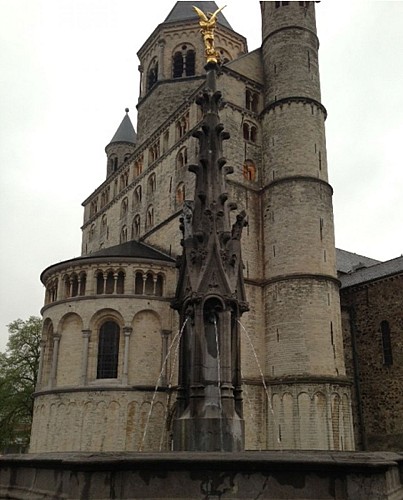
00009400-FTBW-Collégiale Sainte-Gertrude
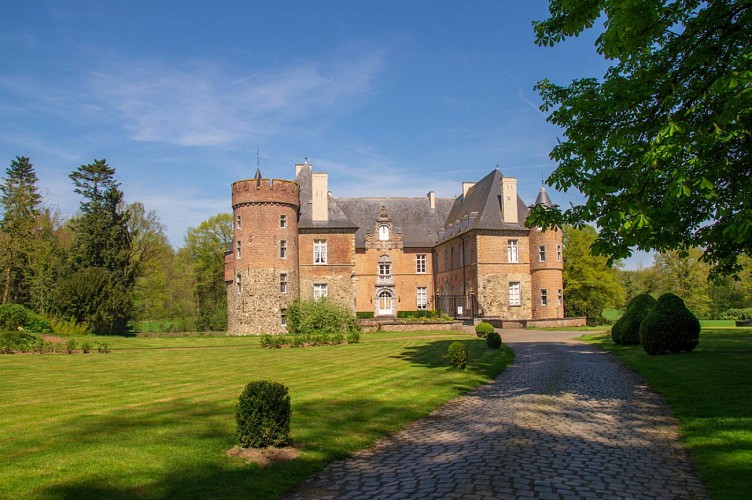
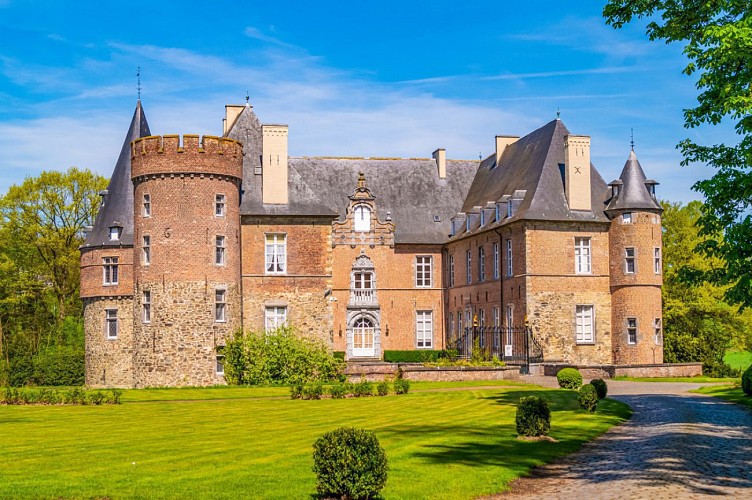
Photo-le château des comtes de hornes-000014386
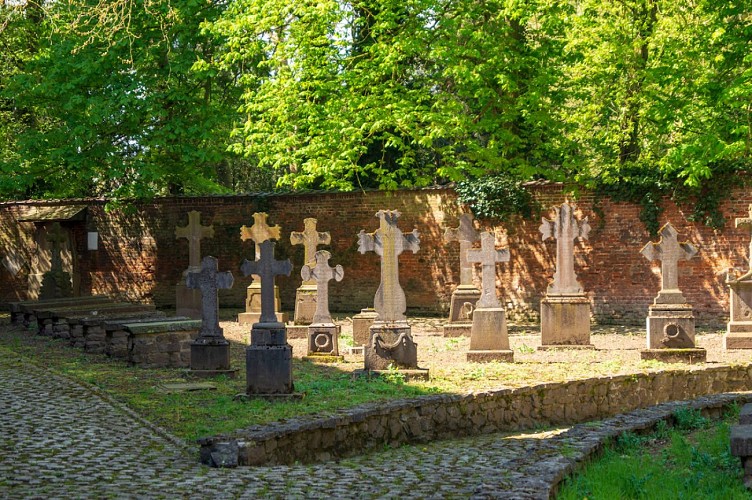
Photo-le lapidarium-000014372
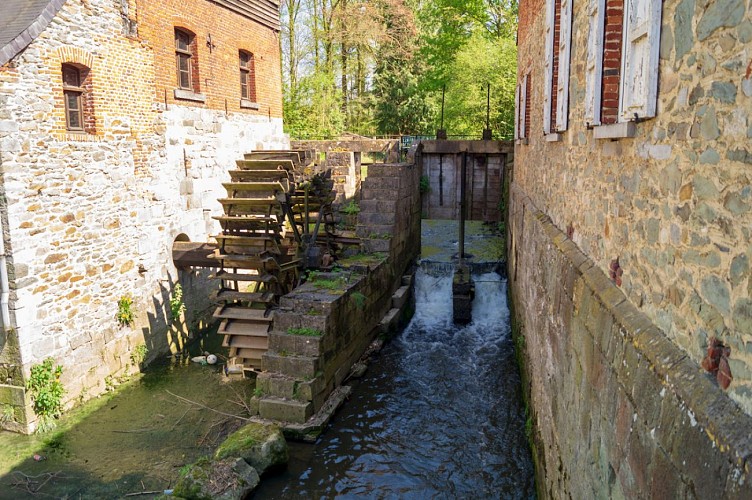
Photo-moulin banal-000014380
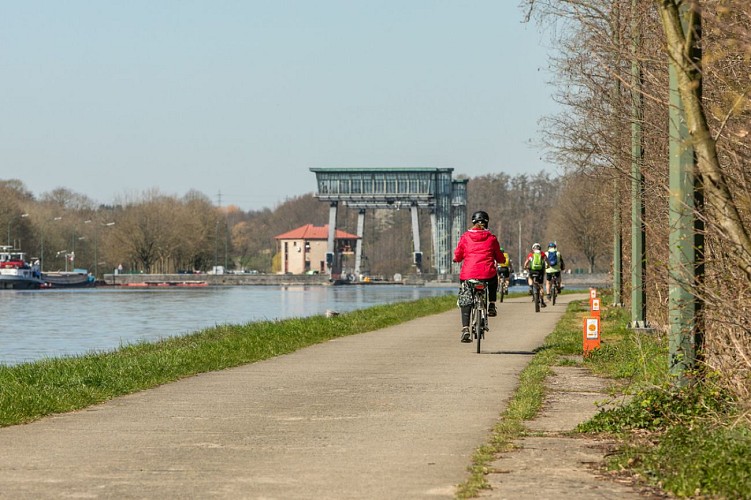
00031851-MTBW - Creative-light-Canal à Ittre
Le BW à vélo - Les chevaliers du Roman Païs
Credit : MTBW

Description

From Nivelles to Braine-le-Château, get on your bike for a 38 km ride in the footsteps of the knights ... Go back in time during this ride in the heart of the Middle Ages!

Technical Information

Racing biking
Difficulty
Medium
Dist.
37 km
Show more

Altimetric profile

Starting point

2 Faubourg Sainte-Anne , 1400   Nivelles
Lat : 50.60039Lng : 4.32036

Points of interest
image du object

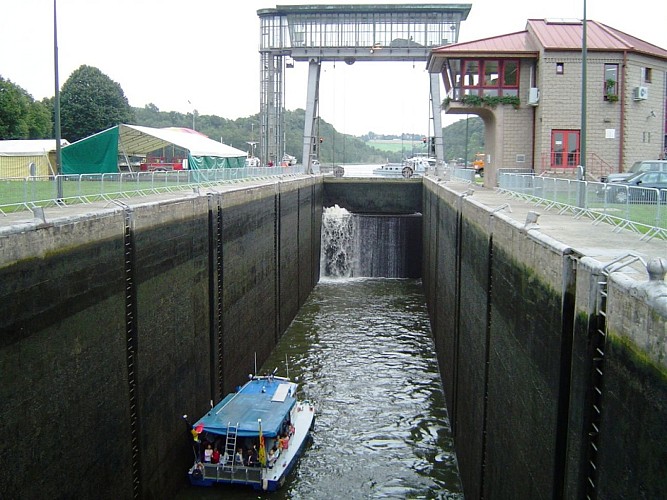
The Lock 5F

"Elevated to" the lock with the second greatest drop in Belgium, lock 5F of Ittre in Walloon Brabant, entrance to the inclined plane (“plan incline”) of Ronquières and to the old hydraulic lifts, a Unesco tangible heritage site, offers visitors its page of history, but also a full assortment of outdoor and sporting activities. The canal from Charleroi to Brussels, opened in 1832, is the result of a long history going back to the 16th century during the reign of Philip II. The idea of connecting the basin of the Meuse to that of the Schelde by a navigable canal starting from Brussels originated in this era. The essential aim of the initiators was to open up Hainaut and consequently to promote the economic boom of the capital by serving the coal mines in the best way possible. Today, the canal is a gateway to France, Holland and Germany. While it is true that lock 5F in Ittre, with the inclined plane of Ronquières and the present Charleroi canal upstream, have allowed passage of 1350 tonne barges since 1968, it nonetheless retains the vestiges of the former disused 70-tonne canal and the second 300-tonne canal. A testimony to the past, they have been preserved from being filled in and the locks have kept – through nostalgia?- the suffix F that was affixed to distinguish them from those already in use at the time. As a follow-up to this short history, it is interesting to note that the significant movements of water and subsequent waves caused by the various locks have been attenuated by the development of expansions upstream and downstream of the lock. And it is right in the expansion upstream that the Ittre marina has been situated, bringing with it a whole range of activities, from a number of aquatic sports to more peaceful walks in a pastoral environment. And that’s not all… lock F5 also houses the Royal Marine Cadet Corps, an association sponsored by the Belgian Department of Defence. It is in this auspicious environment for nautical sport that young people, supervised by civilian and military volunteers receive training mainly focused on nautical, but also land-based, activities.

11 Rue du Halage 1460 Ittre
- Maison du Tourisme du Brabant wallon -
Consulter
image du object

Saint-Remy church

Dedicated to Saint Rémy who baptized Clovis, king of the Franks, at the end of the 5th century, this church in Ittre in Roman Païs became the setting for a treasure entrusted to it by the last nuns of Aywières fleeing the French Revolution... The present edifice (1898), in Neo-Romanesque ogival style, incorporates the Gothic chapel of Notre Dame d'Ittre, which dates from 1590, in the northern side-aisle. This replaced the previous one, dating from 1351. Inside, the extraordinary pictorial decoration recalls some Romanesque churches of France (in particular the medallions devoted to the 12 apostles, with an extremely rare depiction of Judas). The amazing vaults with their integrated iron framework, according to the method of Gustave Eiffel, and the ciborium (canopy above the altar) in polychrome wood lend a distinguished note to the entire edifice. The oak statue of Notre-Dame of Ittre, in the old chapel, was venerated throughout the ages. It is originally from Bois-Seigneur-Isaac, a village close to Nivelles, and dates from approximately 1270. During the plague of 1336, Notre-Dame de Bois-Seigneur-Isaac was carried through the region from village to village in the hope of stopping the pestilence. When the epidemic ended, Ittre no longer wanted to return the statue, believed to be miraculous, and built a chapel for it. The stained glass windows of Notre-Dame of Ittre illustrate this story and that of the pilgrimage that began in 1336. Saint Remy Church also has an interesting treasury, given to it by the last nuns of Aywières fleeing the French Revolution. Among the items saved is the shrine of Saint Lutgardis, a nun of the Cistercian abbey of Aywières deceased in 1246. It is a 1624 piece from Liège in repoussé silver. But the treasury also contains the wooden shrine of Saint Sybille de Cages (1643), as well as a reliquary of the True Cross from the 15th century. If you are curious and attentive, you may find in the façade of the present church a little rosary cross, placed there by a worker from Ittre who participated in the construction of the building...

4 Grand Place 1460 Ittre
- Maison du Tourisme du Brabant wallon -
Consulter

Additional information

Signalétique (EN)

N2 bis (Connection points) - Green

Data author

1 Place du Brabant wallon 1300 Wavre (Belgique) Belgique

Ratings and reviews

To see around
See more
Open
Close
Show
Show
Show
Show
Show
Show
Show
Show
Show
Show
Show
Caution!
We have no information on the difficulty of this circuit. You may encounter some surprises along the way. Before you go, please feel free to inquire more and take all necessary precautions. Have a good trip! 🌳🥾