Entre les méandres du ru d'Ancœur et les remparts d'un château fort ressurgi du Moyen Âge, Blandy-les-Tours conjugue patrimoine exceptionnel et douceur des paysages briards.#AUX ORIGINES DE BLANDY
Occupé depuis la Préhistoire, le territoire de Blandy conserve les traces d’une présence humaine ancienne découverte dans ses environs. Mentionné pour la première fois en 1206 dans les textes, le village appartient alors aux puissants vicomtes de Melun. Mais l’histoire de Blandy est bien plus ancienne. Son nom trouve ses origines à l’époque gallo-romaine, issu du latin "Blandiacum", il désigne le "domaine de Blandus" ou "Blandius", sans doute un riche propriétaire terrien établi sur ces terres.
Longtemps appelé "Blandy-en-Brie", la commune adopte officieusement le nom de "Blandy-les-Tours" dès 1882. Mais c'est seulement le 25 février 1912 que le maire M. Mercier adresse une demande officielle de décret présidentiel pour officialiser ce nom.
Les habitants de Blandy-les-Tours sont appelés les Blandynois et Blandynoises.
Le blason de Blandy-les-Tours reprend l'héritage des vicomtes de Melun, seigneurs historiques du château. Il représente les armes de la famille de Chailly, premiers seigneurs connus, et intègre des éléments évoquant la puissance féodale du lieu, tours crénelées rappelant la forteresse qui donna son second nom à la commune.
#MÉMOIRE DU PASSÉ
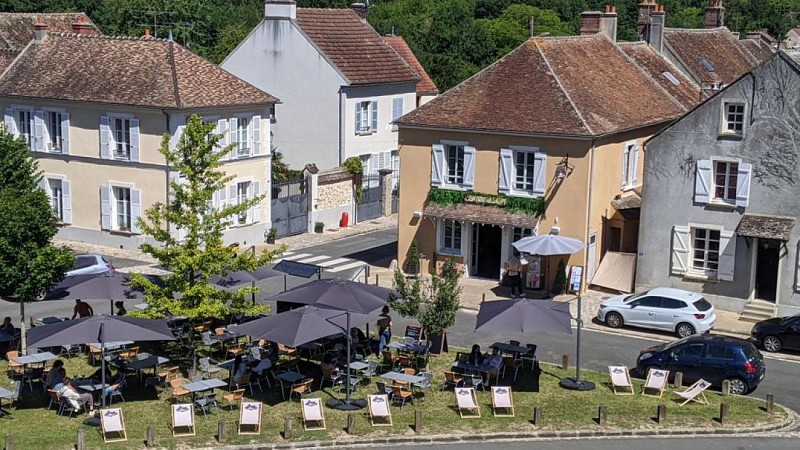
> L’histoire du village est marquée par une journée où l’héroïsme et la tragédie se confondent. Durant l’Occupation, le café des « Cent Tickets », situé rue du Verneau, sert de lieu de rassemblement clandestin pour la Résistance locale. Le 22 août 1944, la Gestapo découvre la cachette et lance un assaut soudain et violent. Surpris par les premiers tirs, Maurice Salingros comprend immédiatement que la situation devient critique. Afin de permettre à ses camarades de s’échapper, il se précipite vers l’entrée du bâtiment et s’interpose face aux soldats allemands. Il est abattu sur place, mais son geste retarde l’ennemi et permet aux résistants de fuir par les jardins. Cette fuite provoque une réaction immédiate des forces allemandes, qui décident de se venger en rassemblant tous les hommes du village pour une exécution de masse. C’est alors que le professeur Raoul Kourilsky, médecin installé à Blandy, intervient. Maîtrisant l’allemand, il s’avance face aux soldats et engage des négociations directement avec l’officier. Après de longues heures de tension, il parvient à obtenir la libération des otages et évite ainsi un massacre de la population masculine du village. Une rue de Blandy porte aujourd’hui son nom en mémoire de son action.
> La place du Colombier rappelle la présence passée d’un colombier seigneurial, édifice réservé autrefois aux seigneurs et symbole de leur autorité. Utilisé pour l’élevage des pigeons, il constituait une ressource alimentaire et agricole importante. Aujourd’hui réaménagée, la place conserve la mémoire de ce patrimoine rural au cœur du village.
#VISAGES D’HISTOIRE
> Une légende raconte qu’en 1439, Marie d’Harcourt, dernière héritière des d’Harcourt, aurait sauté du donjon du château de Blandy-les-Tours pour échapper au terrible chevalier Erard de Montargis, qui voulait l’épouser de force. Elle termina miraculeusement sa chute sur un épais tapis d’herbe et épousa le preux chevalier Jean de Dunois venu la secourir.
> Né à Blandy-les-Tours le 14 mars 1625 Daniel Gittard est élève du célèbre Louis Le Vau, et sera par la suite élevé au rang d'architecte du roi Louis XIV et est devenu en 1671 l’un des tout premiers membres de la prestigieuse Académie royale d'architecture. Si sa famille est restée ancrée à Blandy, on lui doit des œuvres majeures à Paris et en France, il a également dirigé les travaux de la monumentale église Saint-Sulpice, dessiné le Grand Degré dans le parc du château de Chantilly ou encore conçu le célèbre Hôtel Lully.
> Au 16e siècle, Jacqueline de Rohan, marquise de Rothelin et propriétaire du château, occupe une place importante dans l’histoire du château de la commune. Figure noble influente et engagée dans les débats religieux de son époque, elle est connue pour son soutien au protestantisme.
> Le village conserve également la mémoire du général Laurent Schobert (1763–1846), officier de l’époque napoléonienne, fait baron d’Empire. Après une carrière militaire marquée par les conflits de la Révolution et de l’Empire, il choisit de se retirer à Blandy. Sa demeure est encore visible rue Grande et participe à l’identité patrimoniale du bourg.
> À la fin du 19e siècle, le village attire et inspire les frères jumeaux Eugène et Alexis Delahogue, peintres orientalistes et paysagistes. Le village de Blandy-les-Tours devient pour eux un lieu de résidence et d’inspiration. Ils peignent notamment un tableau représentant le point Paillard et un autre le ru d’Ancoeur.
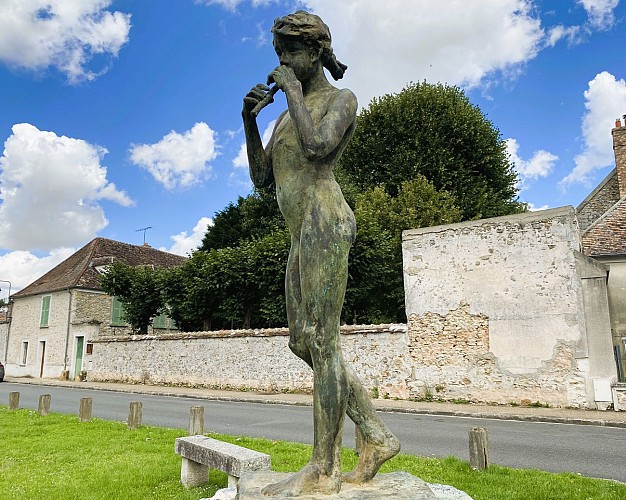
> Michel Lévy, sculpteur contemporain de renommée internationale a choisi d'établir sa vie et ses ateliers au sein du Domaine de Chaunoy, sur le territoire de la commune. Ce célèbre sculpteur et plasticien français expose ses œuvres dans de nombreuses galeries à travers le monde. Il a notamment offert la statue du Joueur de Flûte à la commune.
> Henri Hanneton est une figure majeure de la valorisation du patrimoine du village au 20e siècle. À partir des années 1980, il consacre une grande partie de son temps à la recherche historique sur le château et le village, en explorant les archives et en recueillant de nombreuses informations sur le passé local. Il est notamment à l’origine de la création de l’association des « Amis du château fort de Blandy », qui a joué un rôle essentiel dans la mise en valeur et la restauration du site. Grâce à son engagement, le château est mieux connu du public et son histoire est davantage diffusée.
> Blandy compte également plusieurs écrivains contemporains. Philippe Kourilsky, biologiste de renom, ancien directeur général de l'Institut Pasteur et professeur honoraire au Collège de France, est aussi un essayiste engagé sur la science et l'éthique (Le Manifeste de l'altruisme, Mes années Pasteur). Son frère Olivier, néphrologue et professeur honoraire, signe sous le pseudonyme Docteur K des romans policiers primés mêlant intrigue et milieu hospitalier (Meurtre pour de bonnes raisons, Prix Littré 2010). Henri Germain, alias Jean-Zéphir Idoux, propose quant à lui une œuvre plus intimiste, mêlant poésie et nouvelles inspirées par la nature et les émotions humaines. Enfin, Guy Bénichou explore la mémoire et l'histoire, notamment à travers Les Enfants de la Shoah, témoignage de son engagement à transmettre les récits des survivants.
#PATRIMOINE ET COUPS DE CŒUR
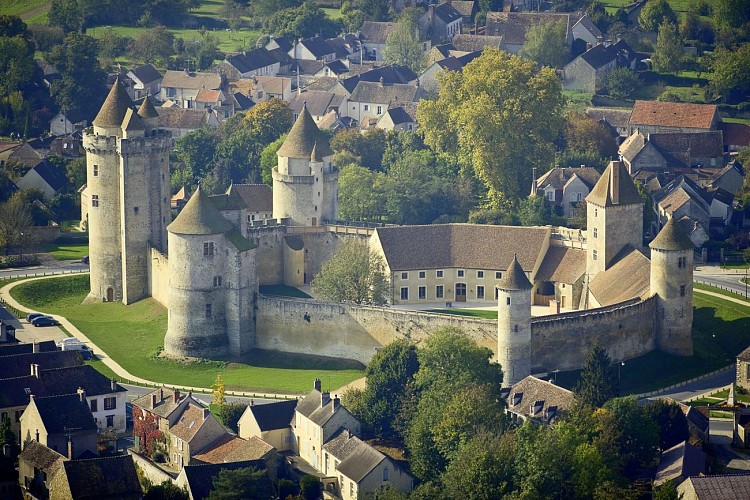
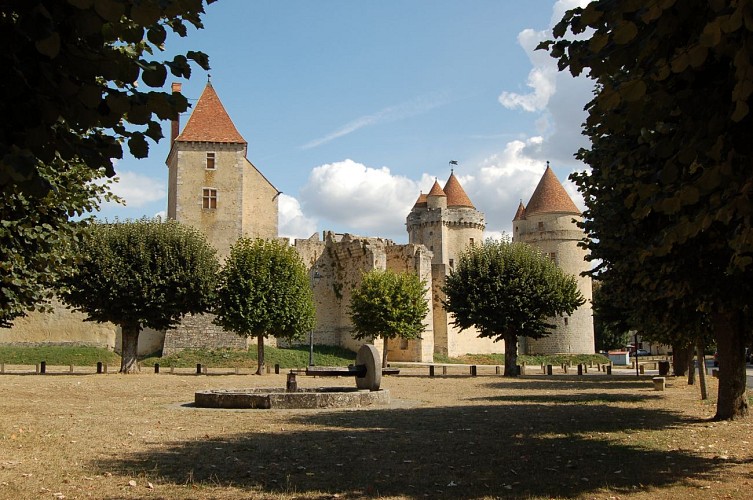
> Édifié à partir du 13e siècle par les vicomtes de Melun, puis remanié aux 14e et 15e siècles, le château de Blandy-les-Tours constitue un remarquable exemple de forteresse médiévale en Île-de-France. Après avoir été partiellement démantelé et fortement dégradé au fil du temps, il fait l’objet, à partir de la fin du 20e siècle, d’un important programme de restauration mené par le Département de Seine-et-Marne. Depuis 1992, des travaux de reconstruction et de consolidation ont permis de redonner au site son allure de forteresse.
> Construite à partir du 14e siècle, l’église Saint-Maurice présente dans son architecture une nef de style gothique, caractéristique des édifices religieux de cette période en Île-de-France. Au 16e siècle, dans le contexte des guerres de Religion qui divisent le royaume de France, l’église aurait connu une utilisation partagée entre catholiques et protestants, selon le principe du simultaneum. Restaurée à plusieurs reprises au fil des siècles, elle demeure aujourd’hui un élément important du patrimoine religieux et historique.
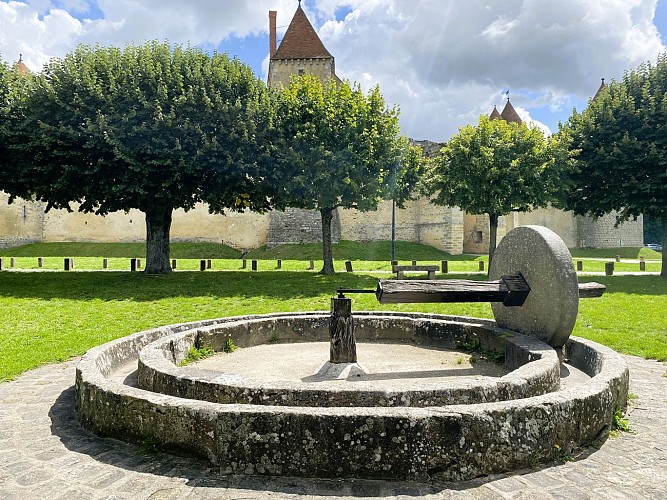
> Situé en plein cœur du village le broyeur à pommes, rappelle le riche passé agricole et cidricole de Blandy. Autrefois installé au numéro 9 de la rue Grande, les habitants y apportaient les pommes récoltées dans les nombreux vergers de la commune. Broyées grâce à une lourde roue de pierre actionnée par un cheval, les pommes étaient ensuite pressées pour fabriquer le traditionnel cidre briard. Il a été déplacé et réinstallé sur la place du village dans les années 1990.
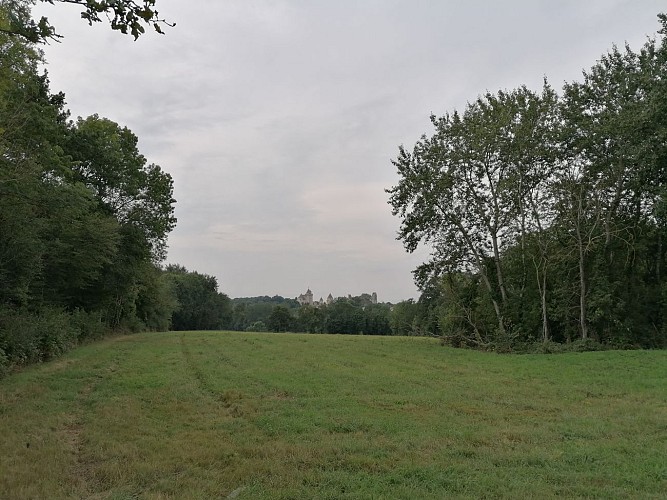
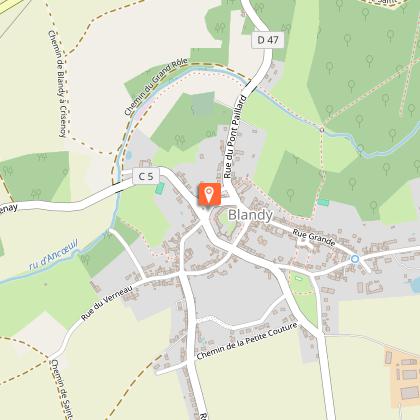
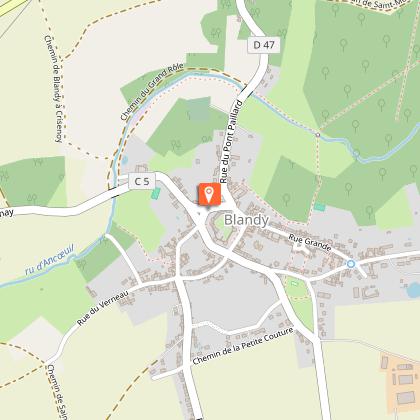
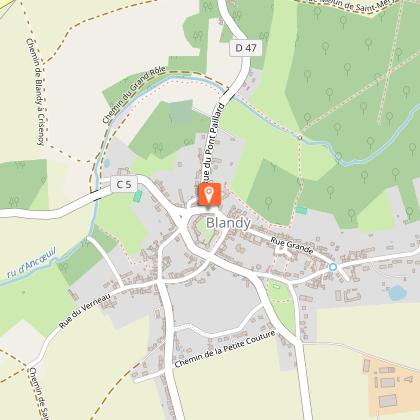
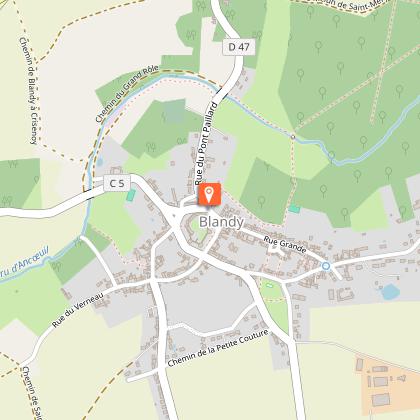
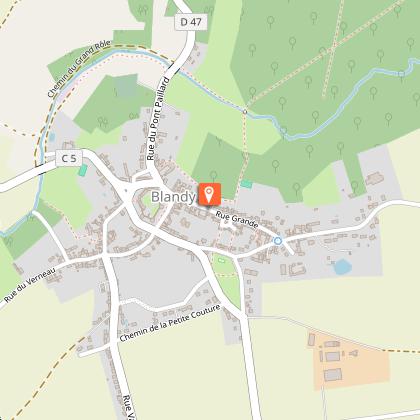
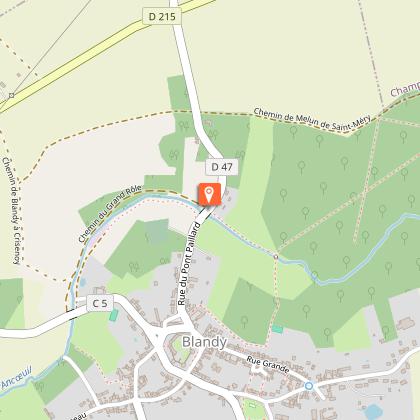
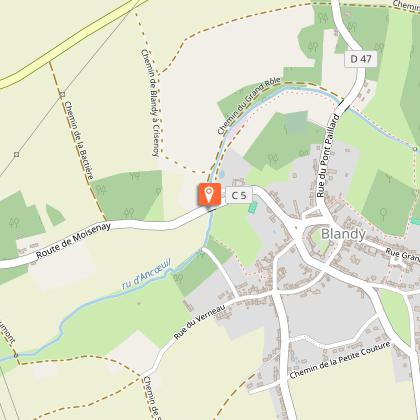
> Le Val d’Ancœur, est un espace naturel protégé, classé Site d’Exception depuis le 14 octobre 1985, il s’étend sur 1 861 hectares de paysages variés. Le ru d’Ancœur traverse prairies et bois, offrant un cadre calme et verdoyant. Plusieurs chemins de randonnée permettent d’explorer les alentours de Blandy à pied, entre nature, patrimoine rural et avec de belles vues sur le château et les alentours.
#LE SAVIEZ-VOUS ?
Le nom de Blandy reste rare en France, seules 2 localités d'Île-de-France portent ce nom. On recense également une présence internationale du nom, dont une localité nommée Blandy à l'extrême nord de l'Écosse, ainsi que plusieurs rues nommées du même nom sur la côte Est des États-Unis, vestiges de la colonisation. C'est une correspondance insolite qui a mis en lumière cette curiosité toponymique mondiale. En 1918, une habitante de Blandy a échangé des lettres avec un homonyme anglophone portant le nom de famille Blandy. (source : Association Mémoires de Blandy).
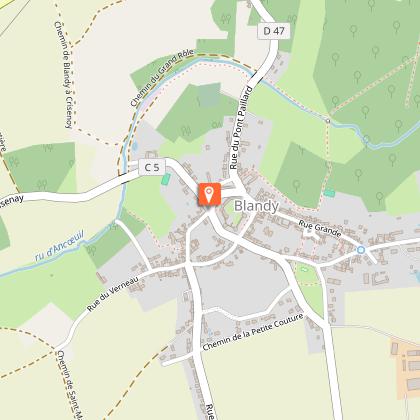
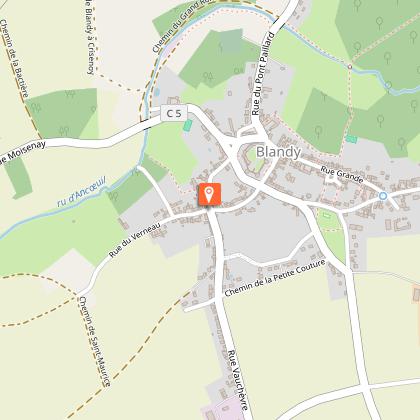
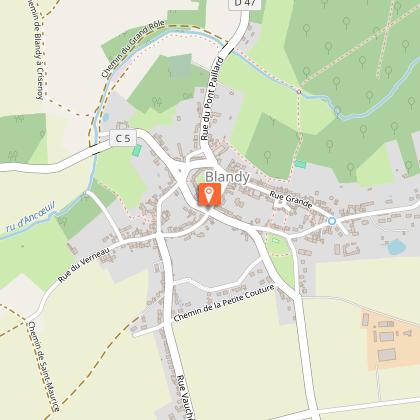
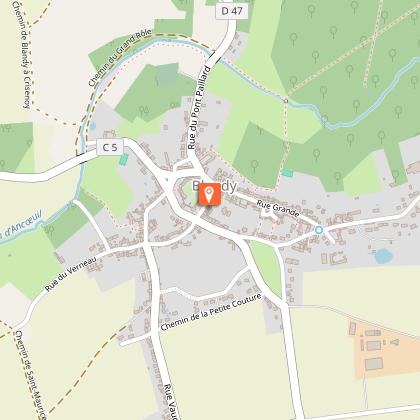
1 place des Tours 77115 Blandy