Alert
Alerts
Description
Map
Ratings and reviews
See around
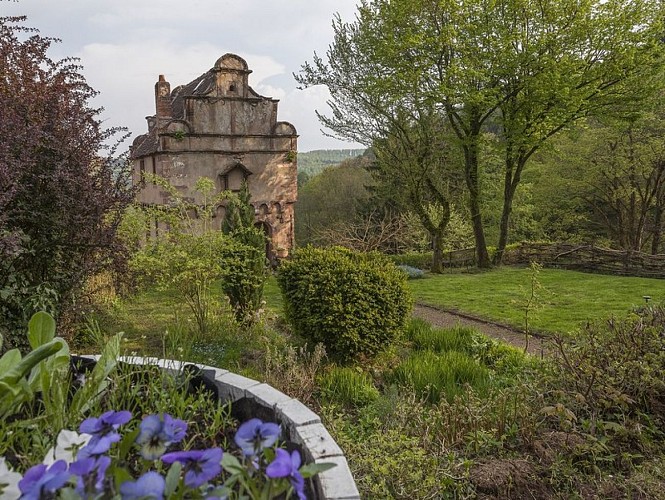
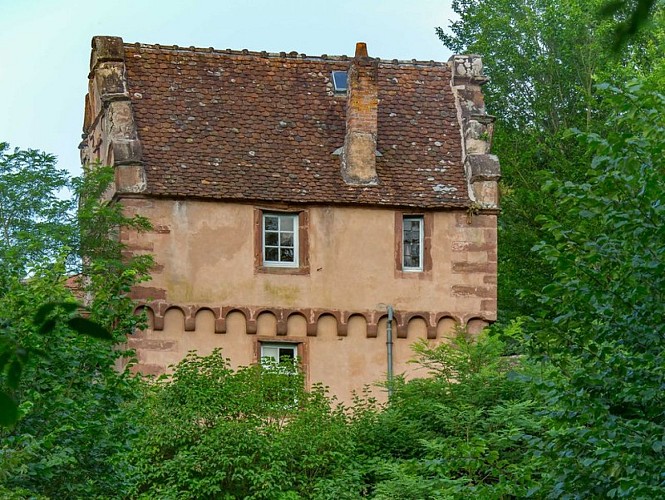
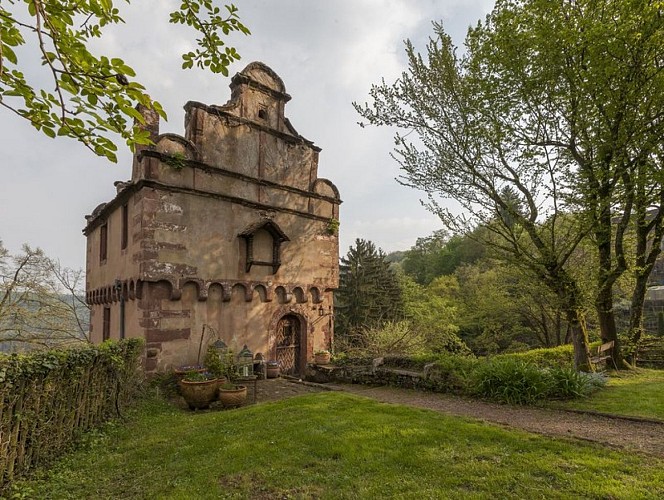
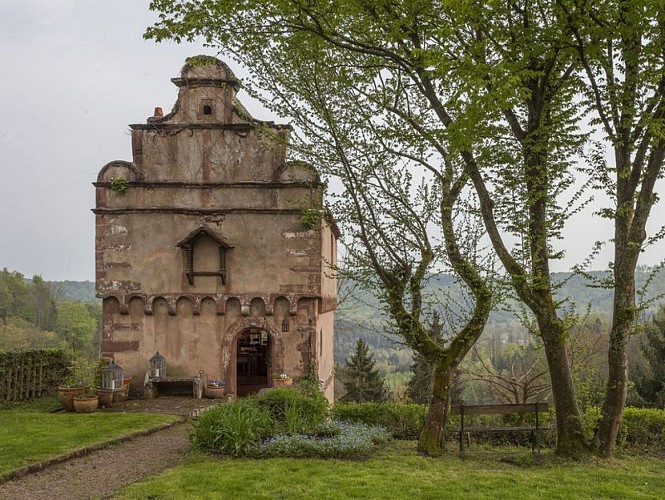
The House of the Pagans
Credit
: R. Letscher
Description
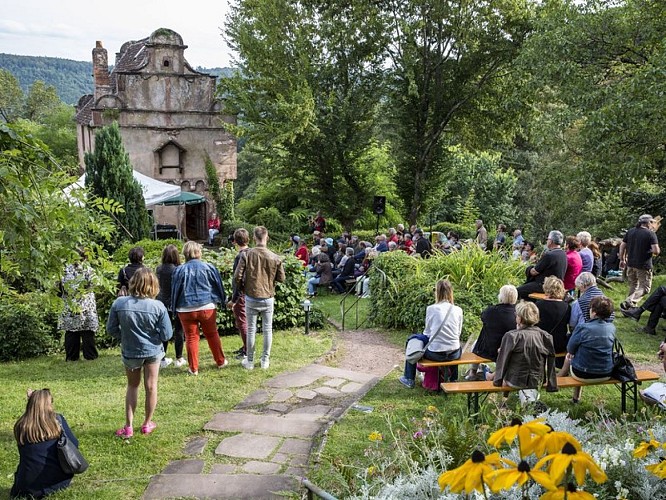
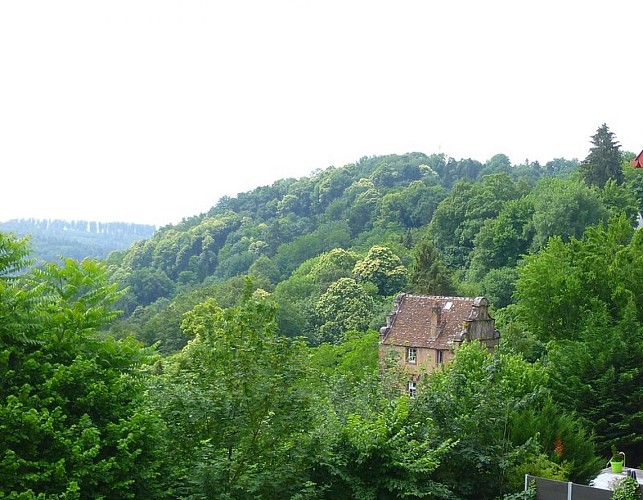
Built in 1534 at the initiative of Palatine Count Louis V, its architecture, unique in Alsace, is as much civil as miliary. Built on a rocky promontory overlooking the forest, the site was occupied by a watchtower in the Gallo-Roman era, as evidenced by traces of foundations in the cellar. Considered a high vibratory place, it would mark the location of a Celtic place of worship.
Technical Information
Lat, Lng
48.85736357.3210037
Coordinates copied
Point of Interest updated on 27/08/2026
Altimetric profile
Data author

Ratings and reviews
To see around