Alert
Alerts
Causses and Cévennes
Description
From the vast limestone plateaus to the valleys of the Cévennes, take the time to explore a landscape shaped by livestock farming and human activity. Trailways used by herds, dry-stone walls, cultivated terraces, and Causse-style farms
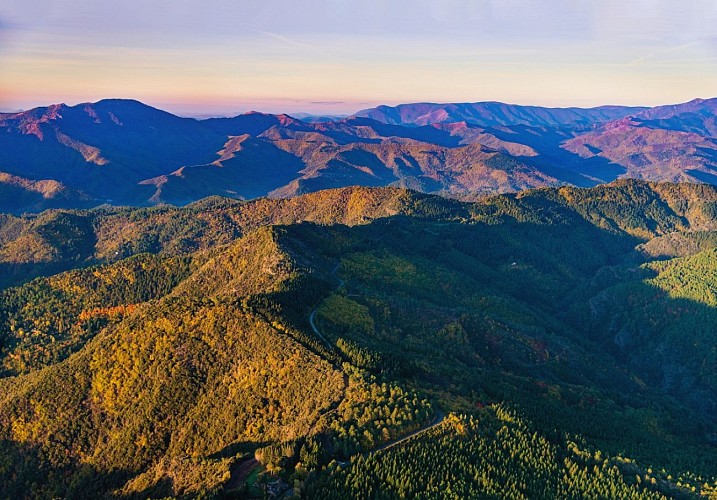
Set against a magnificent natural backdrop, the Causses and the Cévennes offer a diversity of landscapes—the combined work of nature and humankind…
The limestone plateaus of the Causses, carved by gorges and valleys; the jagged ridges and deep valleys of the schist-covered Cévennes; and the high granite peaks of the Lozère and Aigoual mountains: a diversity of landscapes that should not obscure the fact that they belong to a single region. They owe their unity to a culture patiently developed over thousands of years: the Mediterranean agro-pastoral culture.
The shaping of these landscapes is the result of a history spanning millennia.
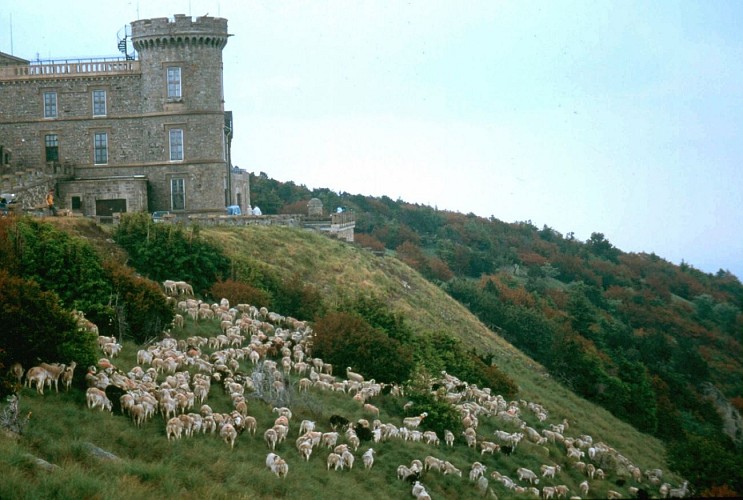
As living landscapes, the Causses and the Cévennes have been shaped by agro-pastoral practices that continue to this day. The preservation, across vast areas, of well-preserved landscapes that are part of a shared Euro-Mediterranean landscape lends even greater value to the region, a living repository of methods for managing mid-mountain terrain. Even today, the “drailles” (mountain trails) mark these lands of transhumance and serve as links between the Causses and the Cévennes.
A remarkable and protected heritage: The Causses and the Cévennes boast a rich and remarkable landscape, natural, and cultural heritage. The architectural heritage—whether monumental or more modest—linked to agro-pastoralism is the focus of special attention from local stakeholders who work to protect and showcase it.
How can you explore the Causses and the Cévennes?
Start with the Blandas lookout points, which offer three designated viewpoints overlooking the Navacelles cirque. The Maison du Grand Site is a great first stop for understanding the landscapes. Continue by exploring the Blandas Causse, with its megaliths and agro-pastoral heritage, then the hamlet of Navacelles and the mills of La Foux, where the Vis River resurfaces after flowing underground.
Another major stop: Mount Aigoual, known for its panoramic views and forested landscapes. At the summit, the Climatographe offers an exploration of how the climate works and the impacts of climate change. Near Saint-Sauveur-Camprieu, a guided tour of the Bramabiau Abyss lets you follow the underground Bonheur River and understand how water carves through limestone. Be sure to check the opening hours for these two sites before you go.
Technical Information
Altimetric profile
Additional information
Distinctions
World heritage (UNESCO)
Important Site in Occitania
Price(s)
Free access.
Updated by
Gard Tourisme - 19/10/2026
Report a problem
Contact
Phone : 04 66 48 31 23
Email : contact@causses-et-cevennes.fr
Website : http://www.causses-et-cevennes.fr
Data author
