Alert
Alerts
Gargantua's Hottée
Description
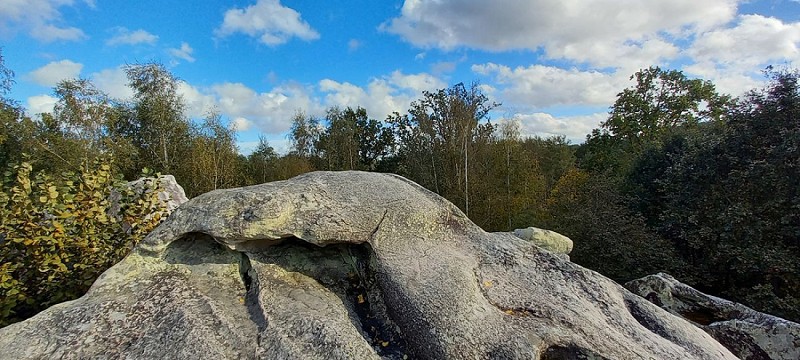
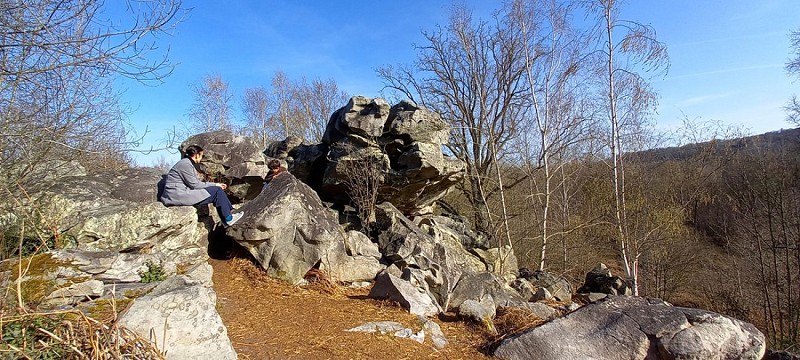
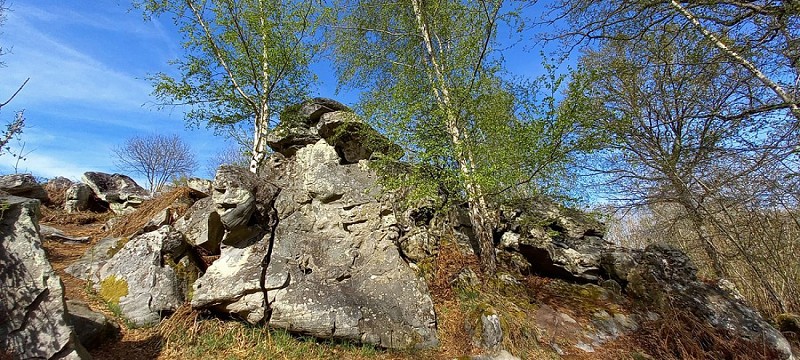
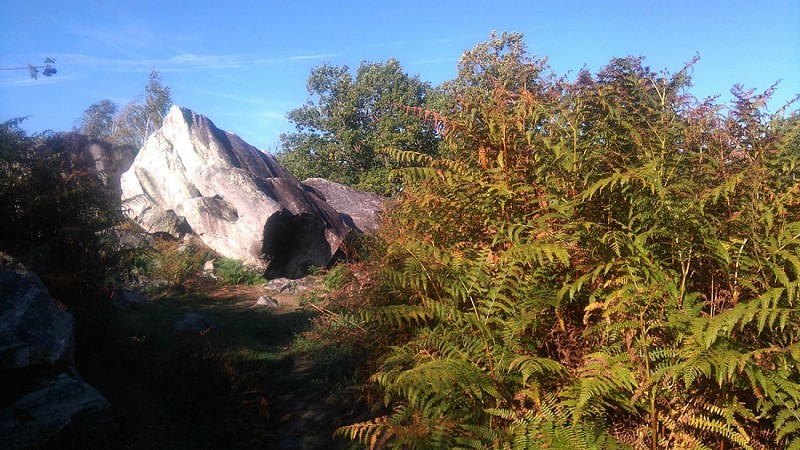
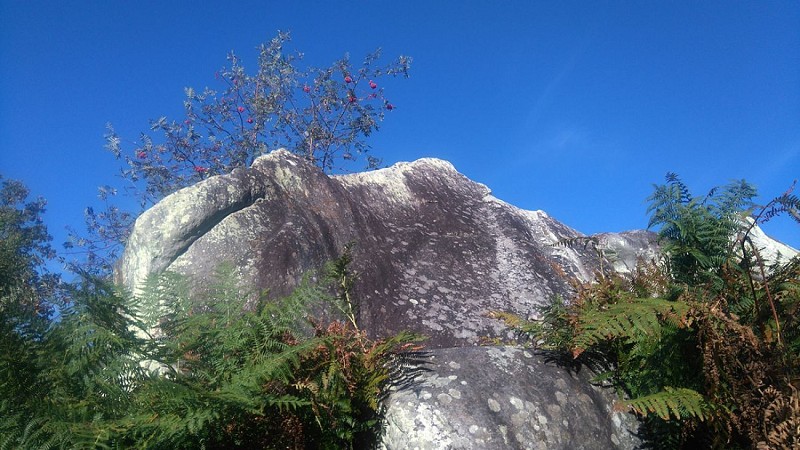
Located to the south of the village of Molinchart, on the edge of the Saint-Gobain forest massif, the Hottée is a chaotic rocky conglomerate, probably dating from the Sparnacian period (70 million years ago, Tertiary era, Eocene period).
This type of formation is similar to the Gresian clusters found in the Fontainebleau forest (white sand).
Sandstones are sedimentary rocks made up of grains of sand which, under the effect of erosion by wind or rain, become deformed, with the cups clumping together randomly to form mounds known as ‘gogottes’.
As for the name Hottée de Gargantua, it may be related to the siege of the League town of Laon at the end of the 16th century by Henry IV's armies, who, to avoid being outflanked by an attack from the north-west, had positioned troops and artillery in the direction of La Fère. The cannonballs used to fire on the town were cut from the sandstone quarry near La Hottée.
Rabelais's Gargantua was published in 1532, so we can imagine that it was already occupying the imagination of people at the end of the century, who, because of the extravagant nature of this pile of stones, gave it this name and associated the giant with these stones...
Technical Information
Altimetric profile
Data author
