Alert
Alerts
Barberry, a plant with many benefits
Description
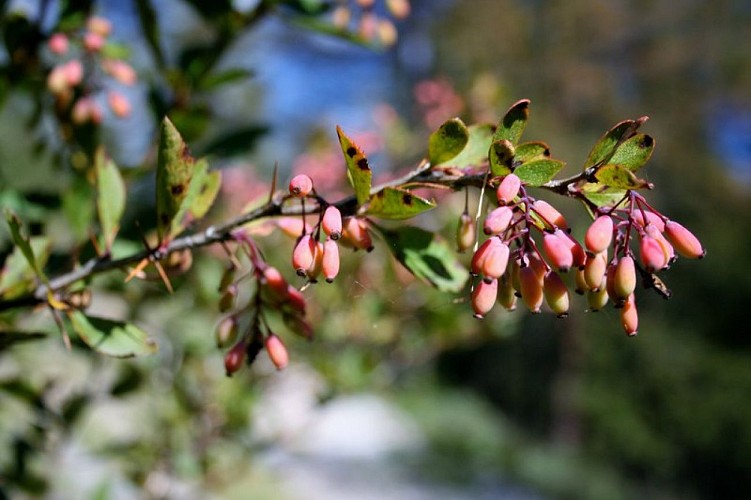
Characterized by its thorns arranged in threes, this shrub is very common in the mountains. Formerly also growing on the plains, it was destroyed because it was said to carry a disease called stem rust, which affects cereals. The bark of its root and wood was used to dye fabric and leather in yellow.
Its tangy and edible fruits can be used as a spice to flavor dishes or prepare jellies, jams and syrups. A Swiss doctor called Alfred Vogel described them as “an amazing tonic for nerves” and recommended them to his hypernervous patients and people lacking vitamin C. Other authors consider its fruit excellent to clear the body of toxins through its action on the liver, gallbladder, spleen and pancreas.
