Alert
Alerts
Cloister of the Saint-Gengoult collegiate church
Description
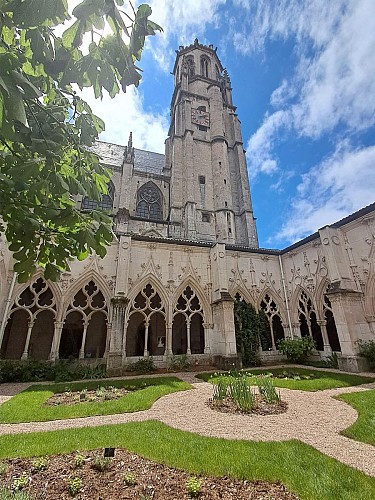
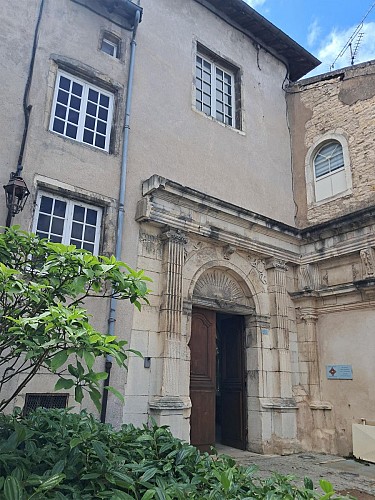
Built between 1510 and 1522, the cloister's decoration marks the introduction of the Renaissance into local architecture.
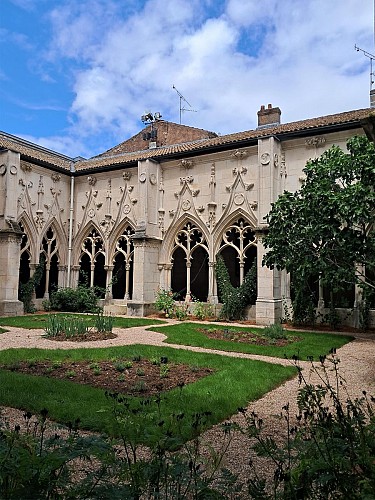
The overall structure remains Gothic, with each gallery featuring liernes and tiercerons animated by a series of keystones typical of the Flamboyant Gothic style. The galleries open onto the garden through three windows, decorated on the outside by a broken gable richly adorned with putti and imps. The simple or twisted columns are embellished with Corinthian capitals featuring fleurons, acanthus leaves, laurel leaves or crosses. Those most influenced by the Italian Renaissance are adorned with masks, horns of plenty, foliage and antique-style basins.
The garden is home to plants used in the region in the early 16th century, including medicinal plants such as Achillea ptarmica (Silver button), used for urinary problems and toothache, Paeonia officinalis (Peony), known to relieve intestinal pain and headaches, and Lavandula angustifolia (True lavender), a highly effective antiseptic.
Technical Information
Altimetric profile
Additional information
Producteur de la donnée
Ces informations sont issues de la plateforme SITLOR - Système d’Information Touristique - Lorraine
Elles sont synchronisées dans le cadre du partenariat entre Cirkwi, l’Agence régionale du Tourisme Grand Est et les membres du comité technique de Sitlor.
Contact
Tel : 03 83 64 90 60
Email : accueil@tourisme-terrestouloises.com
Site web : www.toul.fr/?jardins-et-patrimoine
Data author
