Alert
Alerts
Breton Lighthouse and French Cemetery of Auvelais

Description
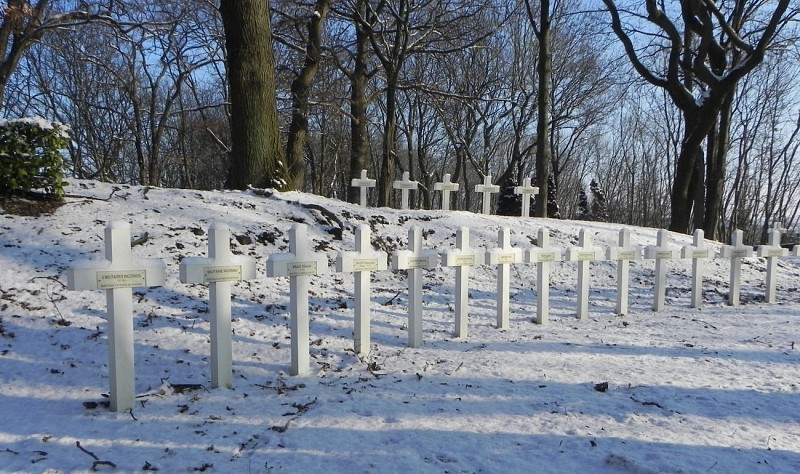
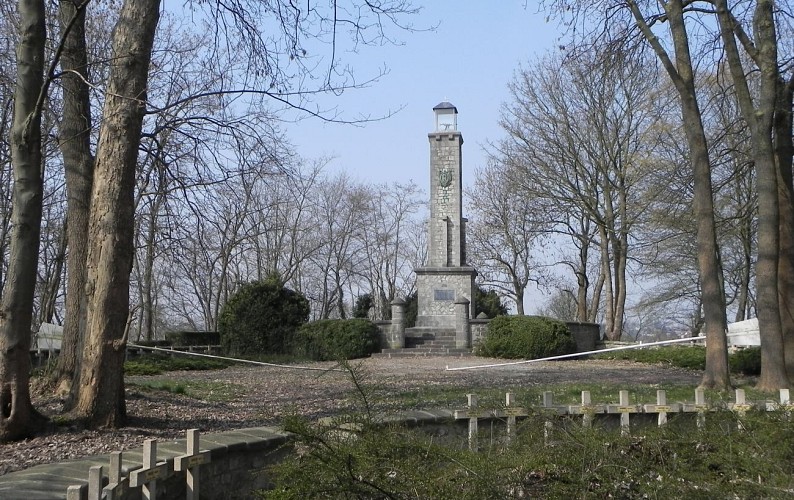
On August 4, 1914, the German cavalry crossed the Belgian border and its 2nd army aimed at France. King Albert I called for help from France and the United Kingdom. The 5th French army wanted to prevent the Germans from crossing the Sambre. A clash took place in Basse-Sambre on August 21 and 22 between these two armies. Thousands of French soldiers died on the battlefield, mainly Bretons from the 48th Infantry Regiment of Guingamp, the 70th R.I. of Vitré and the 71st R.I. of Saint-Brieuc. On August 19, 1934, the French national cemetery of Auvelais was inaugurated in its current form. The graves were aligned in the shape of a cromlech on the top of a hill in an undergrowth and a Breton granite lighthouse was erected. These different elements reminded the valiant French soldiers who fell in Basse-Sambre of their homeland. We now understand why the French cemetery is called the "Breton Lighthouse" by the people of Auvelais. A beam of light, of freedom came to us from Brittany, from France and settled on the banks of the Sambre.
