Alert
Alerts
The buttons of the Lizon plateau
Description
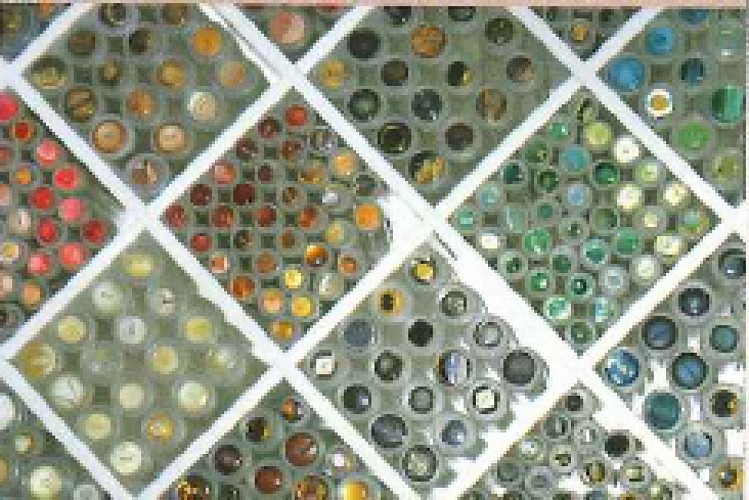
Much like the High-Jura plateau, the history of the Lizon plateau is closely tied to wood-turning. The villages on the plateau set themselves apart by manufacturing turned buttons. In 1830, the Lizon’s waterway was been equipped with mill wheels. Around 1900, electric turbines served to action several tens of wood lathes, to replace hand and foot wood turning methods. Tubes, whistles, nib holders, etc., were all made from turned bone. The idea of manufacturing buttons first appeared after the 1929 crisis, during which the American market collapsed. Originally made of galalith - a plastic manufactured using milk - they were later made using acetate, plexiglass and polyester. In 1960, injection moulding and the mass production of buttons became popular and served to revive the turning of decorative buttons. To date, High-Jura companies still account for over 80% of French button manufacturing.
Technical Information
Altimetric profile
IGN cards