Alert
Alerts
Description
Map
Ratings and reviews
See around
What wood are our crates made of?
Description
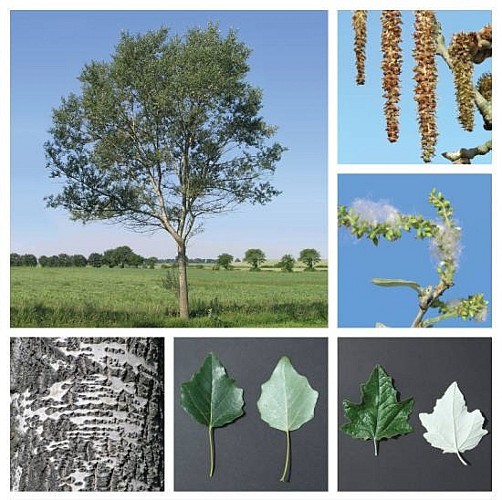
Wild black poplar is the dominant species in riverside forests. It boasts many ecological benefits in such environments, but is under threat from river development and potential hybridisation with cultivated poplars. INRAE and ONF coordinate the national programme to conserve the species' gene pools, with the Dranse being one of the programme's key sites.
A pioneer specimen that requires a lot of water and light, the poplar is fast-growing and has a long lifespan (up to 200 years). Its habitat is the riparian zone (alluvial forest) and is closely linked to the dynamics of water currents.
Did you know that some cheese/fruit packagings as well as wooden crates are made with cultivated poplars?
Technical Information
Lat, Lng
46.40241336.5167978
Coordinates copied
Point of Interest updated on 22/05/2026
Altimetric profile
Data author

proposed by
RandoNature
Ratings and reviews
To see around