Alert
Alerts
Canal de Nantes à Brest et son halage
Description
The canal
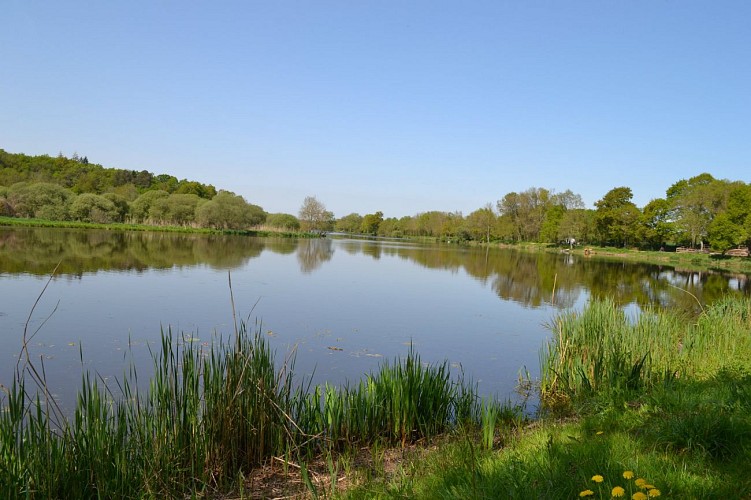
Imagine hundreds of men, convicts, prisoners of war and deserting soldiers, digging this canal day and night with their own hands. This was at the beginning of the 19th century. The canalisation of Brittany's inland waterways was the solution to the problem of opening up Central Brittany, known as Brittany's Siberia due to the lack of carriageways. The canal was seen as the key to facilitating trade and the economic development of the region. Completed in 1842, after 23 years of work, the Nantes-Brest canal winds its way through the land over 364 km and has 238 locks to overcome the uneven terrain.
Towage
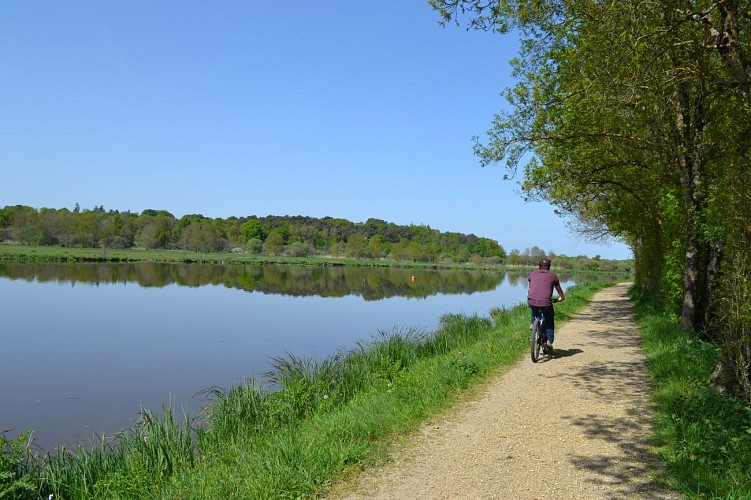
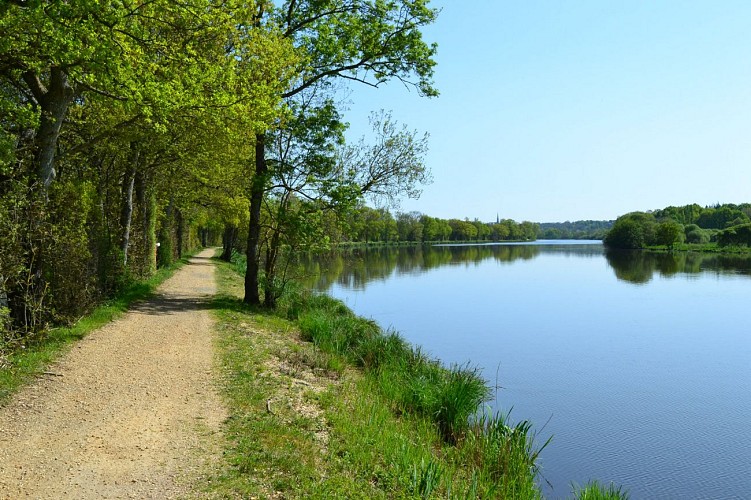
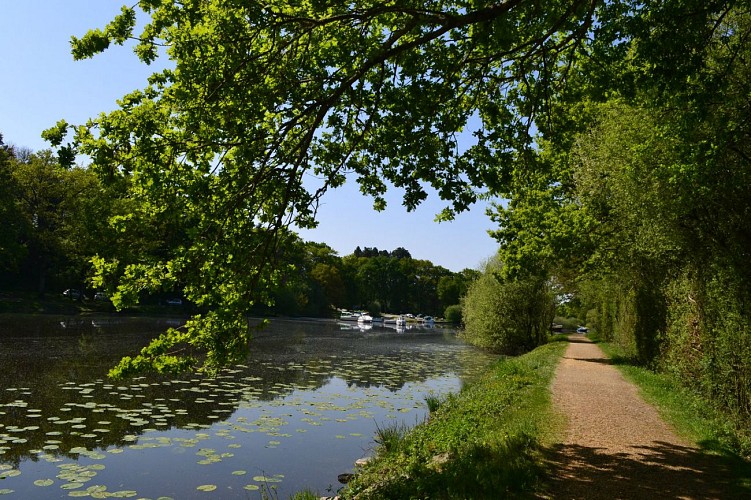
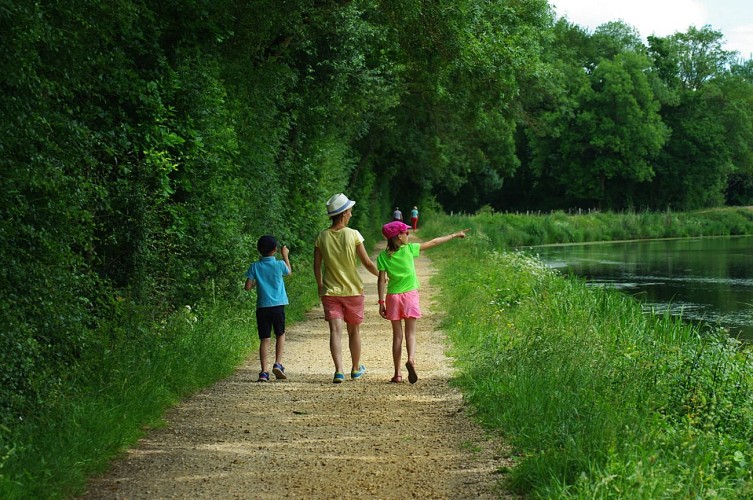
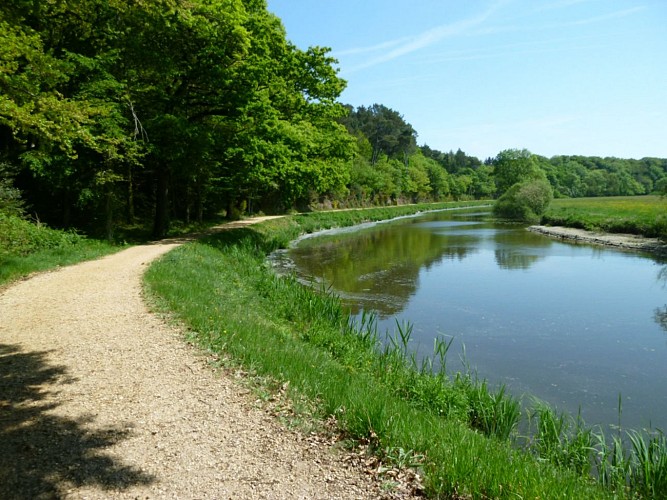
With a length of over 6 km, the towpath is now a favourite with walkers, cyclists and horse-riders who stroll along the canal. But before it became a pleasant place to stroll, it had a very specific function: in the past, it was used to pull barges forward. Horses, as well as bargemen, pulled them using a rope attached to the boat. They were said to haul, hence the name towage. The arrival of motorised barges after the 1st World War led to the disappearance of horses on the towpath. Once a place of toil, it is now a pleasant place to relax and stroll.
Technical Information
Altimetric profile
IGN cards


Data author
