Alert
Alerts
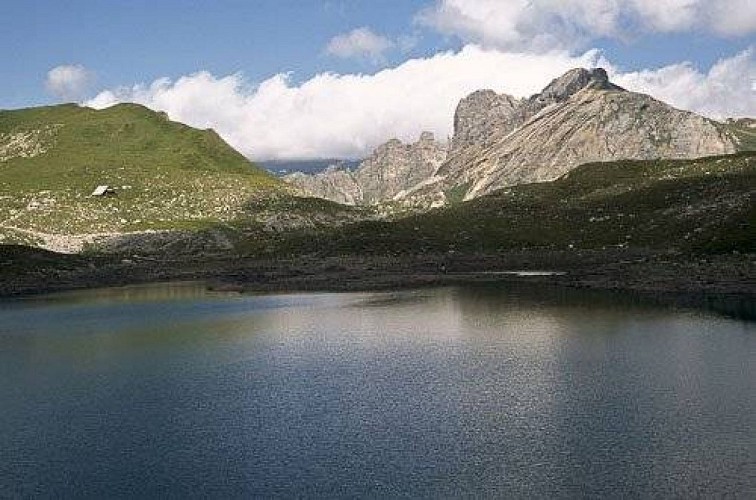
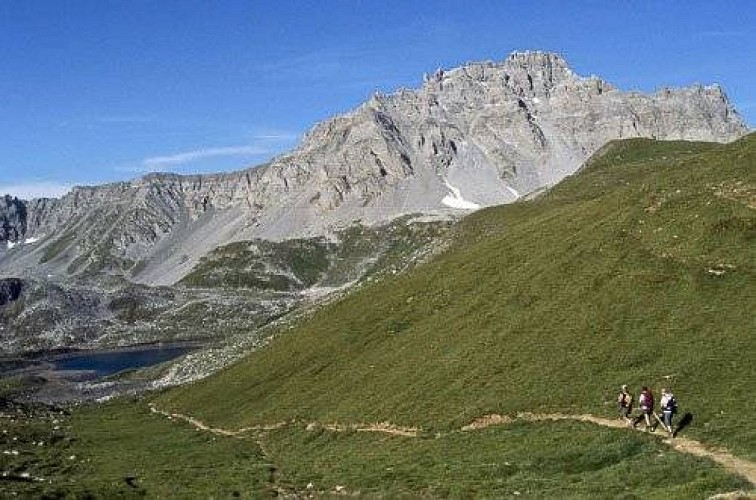
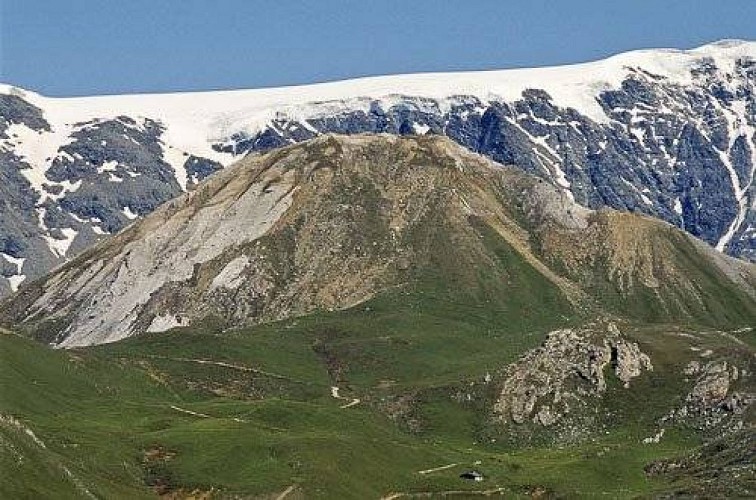
Dents de la Portetta, Petit Mont-Blanc and the Aiguille du Fruit
Description
At the secondary level, Saint-Bon-Courchevel is located under a shallow sea where phenomenal amounts of sand and crustaceans are deposited and which has undergone episodes of retreat and advance. The accumulation of crustaceans is the source of the limestone rocks. The Dents de la Portetta are the most representative. Then, under a tropical climate, the sea receded by evaporation. This phenomenon is the cause of a particular rock, gypsum. This rock constitutes the Petit Mont Blanc massif, the crests of Mount Charvet and the Dent du Villard. Later, the sea covered the town again, which is what caused the formation of the limestone rocks. The Aiguille du Fruit was formed during this period and contains an astonishing variety of fossils, such as shark teeth.
Technical Information
Altimetric profile
Data author
