Alert
Alerts
La Léchère-Naves municipal forest
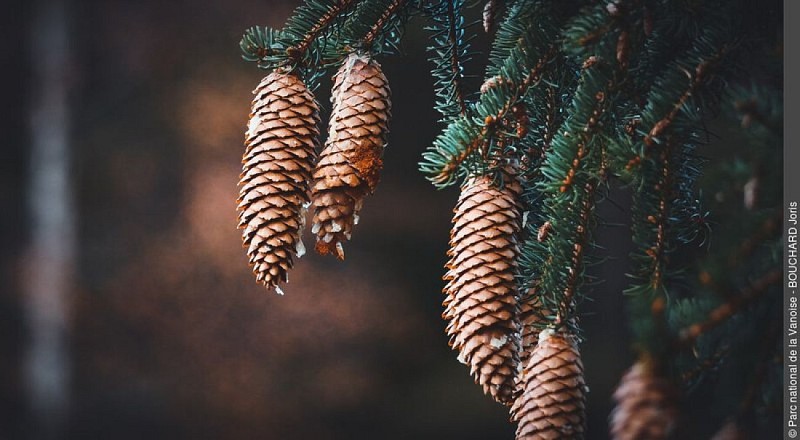
Description
This forest is managed by the National Forestry Office (ONF) and extends over an altitude of 1,300m and 1,700m.This municipal forest is used for timber production. Different species grow here, including European spruce, silver fir and Scots pine. The finest quality timber will be used for building frameworks. Inferior quality pallet stock lumber will be used to make crates, packaging and transport pallets. Last but not least, fuelwood is used in contemporary boiler rooms. Wooded areas also play a key protection role on slopes of varying steepness. They protect the soil and the snow mantle as the trees form a natural barrier. Footpaths have already been laid out in this forest for the public to use, and the trees also play a vital ecological role by naturally releasing oxygen and absorbing CO2. Today the forest is reaching its mature stages not least because of global warming. Increasing numbers of trees are drying out and attracting the European spruce bark beetle. It lays its eggs between the bark and the wood, cutting off sap circulation. This very worrying phenomenon is tied in with hot, dry spells - a resurgence of infestations has been spotted only since 2017. Below an altitude of 1,500m, the future of the spruce tree is endangered. The forest is also under threat from the many species of deer (chamois, stags and hinds) that flock to the wood and eat young saplings.
Technical Information
Altimetric profile
IGN cards






Data author
