Tours
Activities
Places of interest
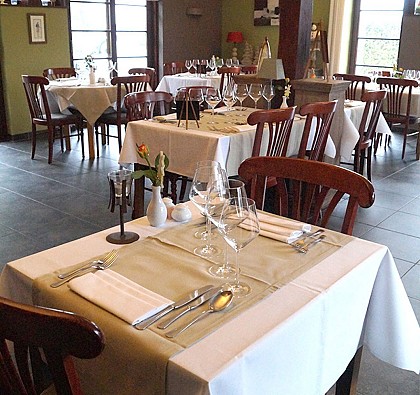
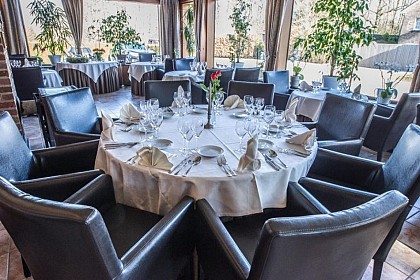
Where to eat
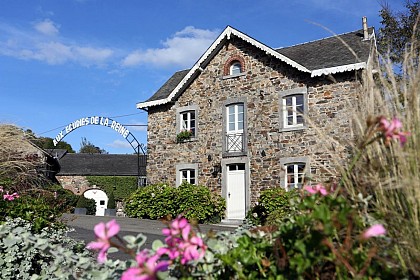
Where to sleep

Discover the Magic of Spa, Liege, Liege

Are you in charge of the destination?
Welcome to Spa, Liege, Liege — a destination rich in history and natural beauty. Start your adventure by exploring the famous thermal baths of the city, perfect for relaxation and rejuvenation. For nature lovers, the High Fens-Eifel Nature Park offers exceptional hiking trails and breathtaking landscapes. Don't miss the Water City's Museum to learn more about local heritage.\n\rHistory enthusiasts...See more
Walking around Spa

See more suggestions
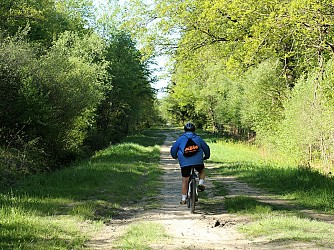
Hikes for all levels in Spa.
See more suggestions

What to do in Spa

See more suggestions
Experience unique moments with the bookable activities in Spa.
See more suggestions
What to visit in Spa

See more suggestions
Explore the cultural heritage of Spa.
See more suggestions
Le Waux-Hall
566 m

Le Waux-Hall

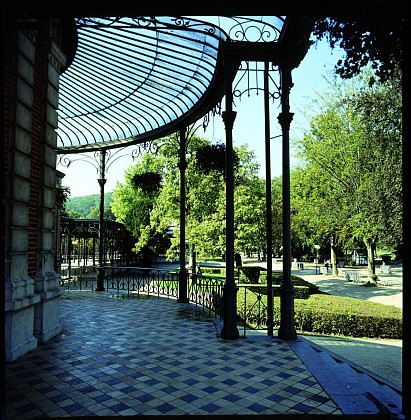
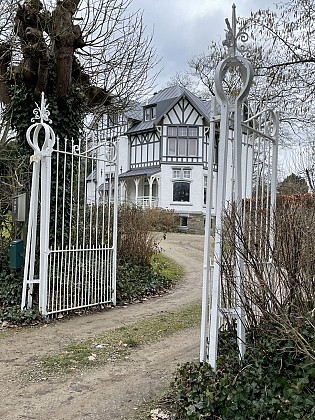
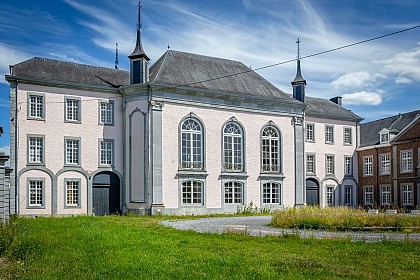
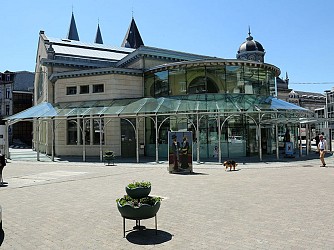
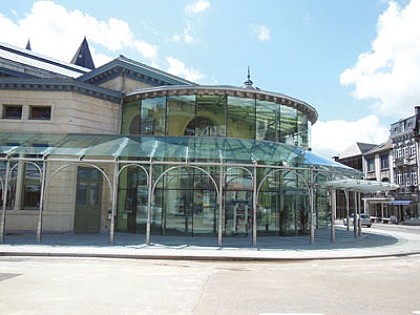
The Waux-Hall is a large brick building painted pale pink, preceded by a courtyard of honour bordered by a beautiful wrought-iron gate. The work of Liège architect Jacques-Barthélemy Renoz.It was built between 1769 and 1771 to house a casino and a large ballroom upstairs. This ballroom is lit by the large arched windows on the upper floor of the central building.The old brick buildings were always painted. Not just to embellish them, but above all to protect them. Bricks used to be fired by hand. They were therefore porous, permeable to rain. To make them more resistant to damp, they were painted or coated. In the second half of the 18th century, pastel shades were in fashion: off-white, beige, very pale yellow, light green (lime green) and pearl grey.Question 10: Which of these colours would you choose?The colour palette of buildings has evolved over the centuries. Generally speaking, until the early 18th century, the range of colours used to cover façades ranged from dark reddish-brown to orange-red, with local clays and lead oxides providing the colouring raw materials. Little by little, under the influence of fashion and classical and neo-classical trends, red was abandoned in favour of pastel shades, popular in the second half of the 18th century, and then white, a symbol of purity and cleanliness. In opposition to the general uniformity sometimes imposed by white a new aesthetic emerged in the 19th century: eclecticism. The combination of different materials and shades was given pride of place. This was followed by a trend towards stripping façades, which not only led to the disappearance of traces of old colours, but also caused sometimes irreversible damage to brick facings, whose protection was lost. The large arched windows, characteristic of the second half of the 18th century, light up the ballroom. This is a prestigious building, richly decorated. The keystone (the keystone in the middle of the arch) of each of these bays is sculpted. It bears alternating male and female mascarons (fantastical figures). To avoid falling out of the windows, each has a small wrought-iron balustrade, known as an armrest.Walk through the Waux-Hall garden along the left-hand side of the gate. Local residents have laid out a small herb and vegetable garden here and grown flowers. Then take the second street on the right, Avenue Antoine Pottier.ANSWER10. Response to choice among the pastel shades offered

4900 Spa
Show

Where to eat in Spa

See more suggestions
Discover the local flavors of Spa.
See more suggestions

Where to sleep in Spa

See more suggestions
Discover available accommodations around Spa.
See more suggestions


Caution!
We have no information on the difficulty of this circuit. You may encounter some surprises along the way. Before you go, please feel free to inquire more and take all necessary precautions. Have a good trip! 🌳🥾