Alert

Alerts

To see around
See more
Open
Close
Show
Show
Show
Show
Show
Show
Show
Show
Show
Show
Show

Oups... It would appear that Cirkwi does not have permission to use your location.

Presentation
Description
Map
Points of interest
Ratings and reviews
See around

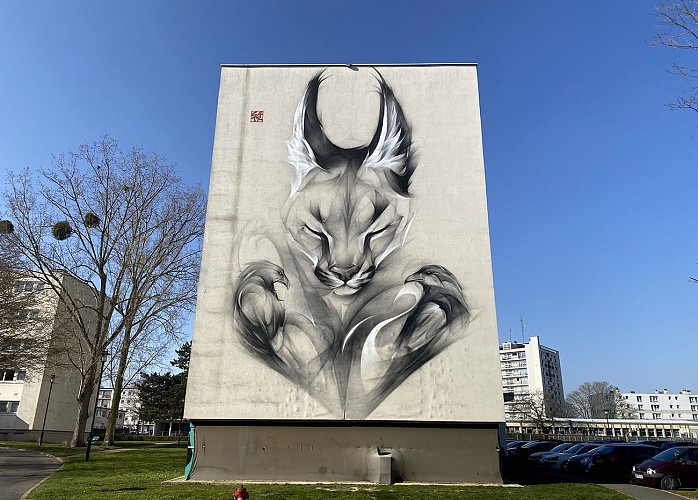
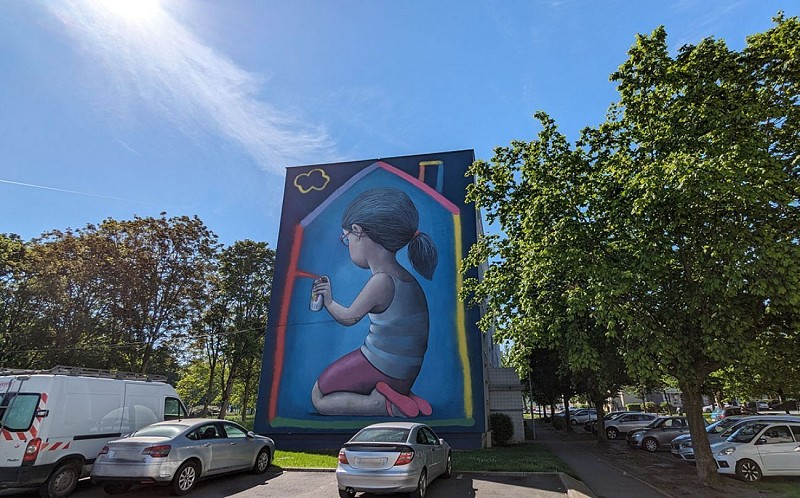
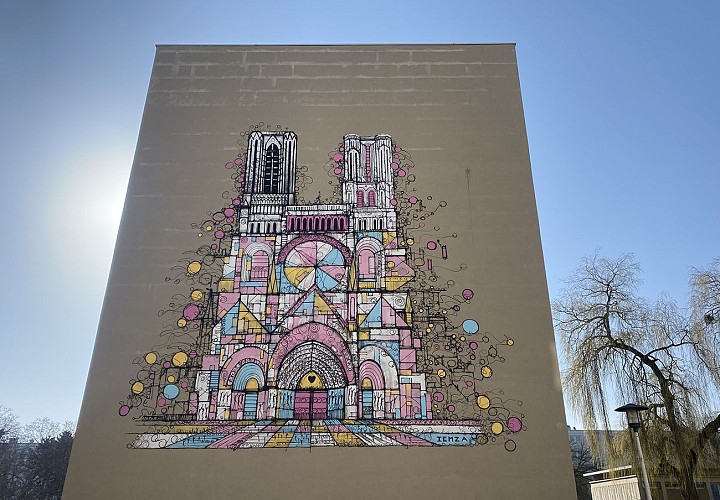
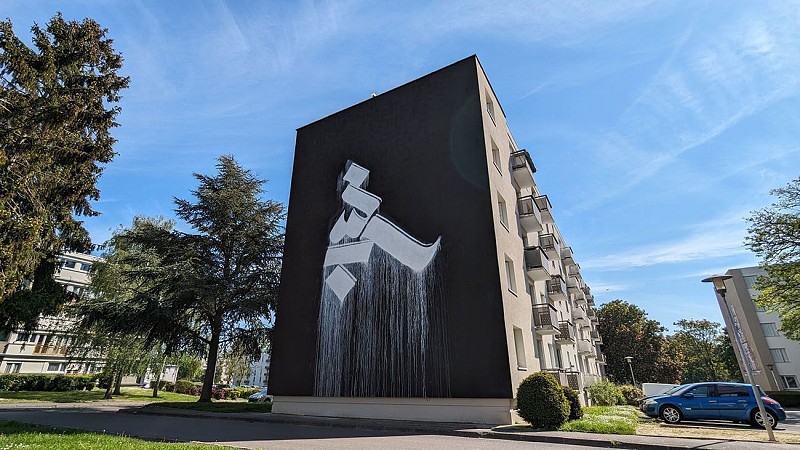
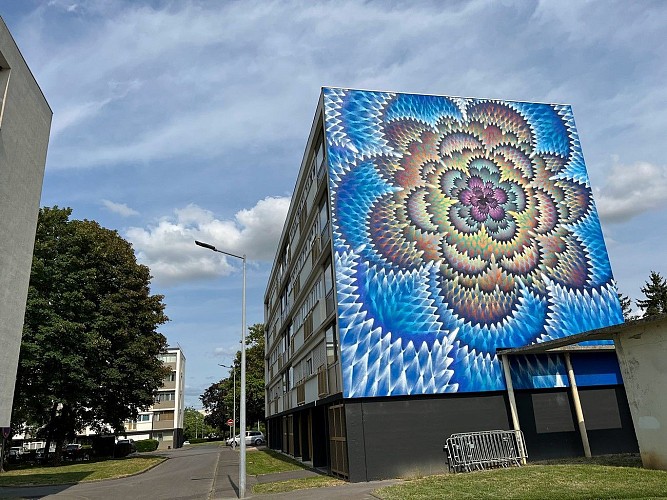
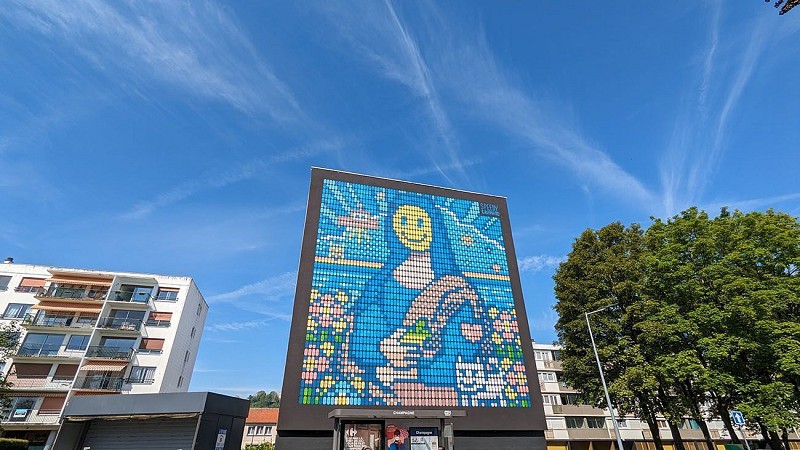
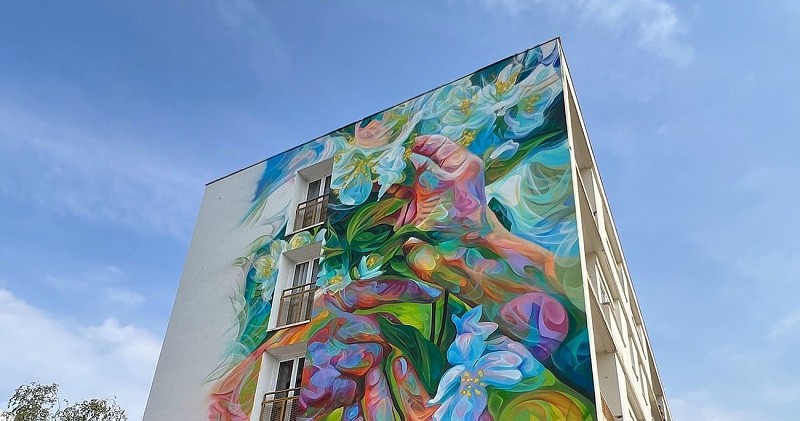
Discovering street art in the Champagne district of Laon! (part 1)
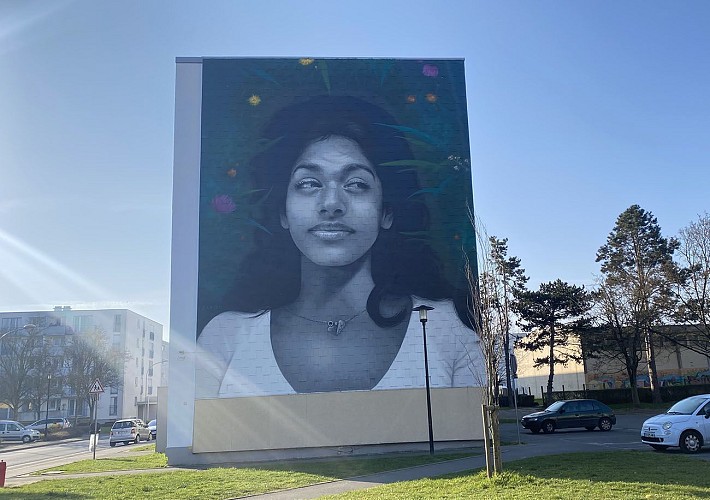
Oeuvre de Zabou
Credit : OT Pays de Laon

Description

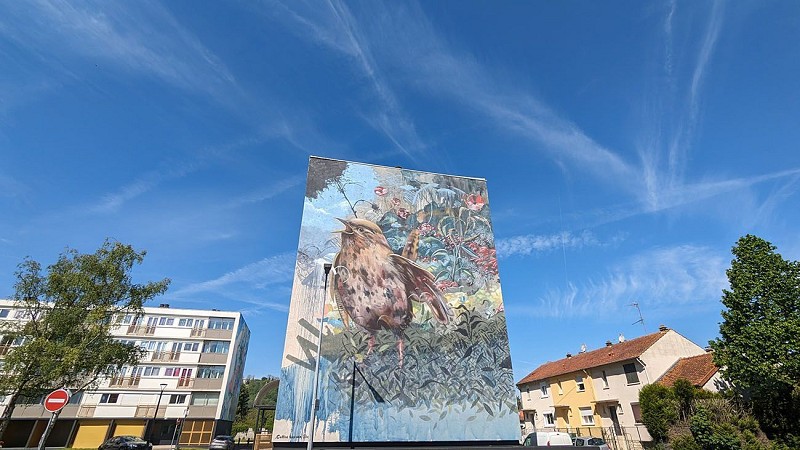
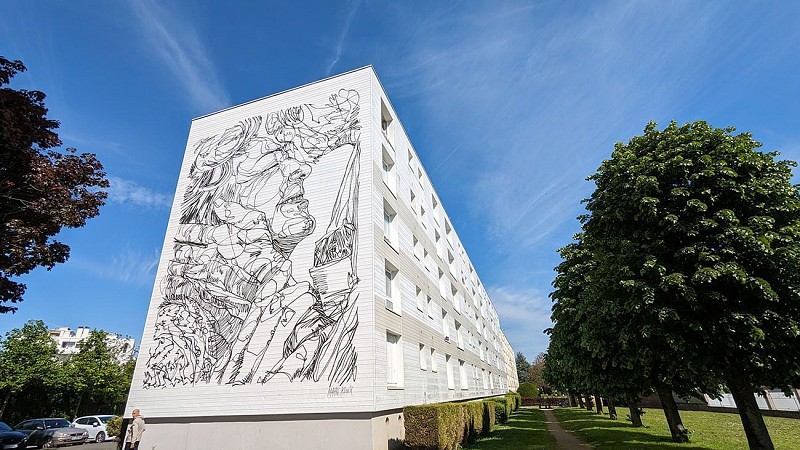
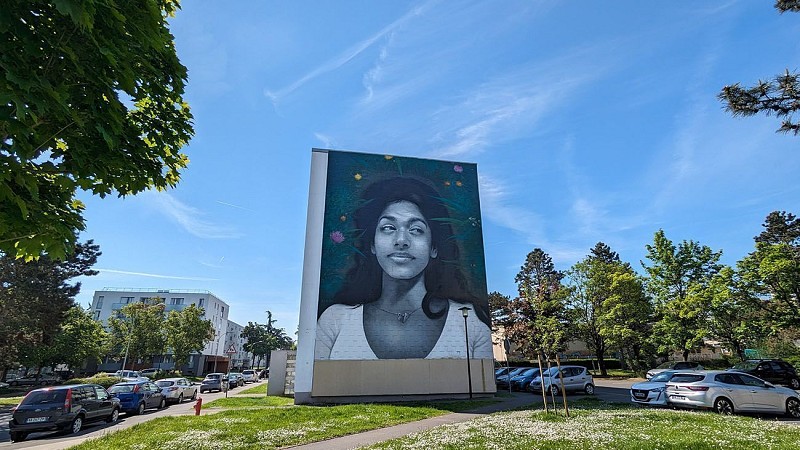
Two years ago, on the initiative of the town of Laon, the first international urban arts festival was launched. The famous street artist Christian Guémy (aka C215) was asked to bring together a number of artists in the field, and they were given carte blanche to work on a number of facades in the lower town. We invite you to find out more about twelve of them as we stroll through the heart of Laon's Champagne district. It's a visit you'll want to follow with your eyes wide open! Translated with DeepL.com (free version)

Technical Information

Walking
Difficulty
Very easy
Duration
45mn (1d)
Dist.
1.5 km
Show more

Altimetric profile

Starting point

3 Rue Edouard Branly , 02000   Laon
Lat : 49.56725Lng : 3.64746

Points of interest
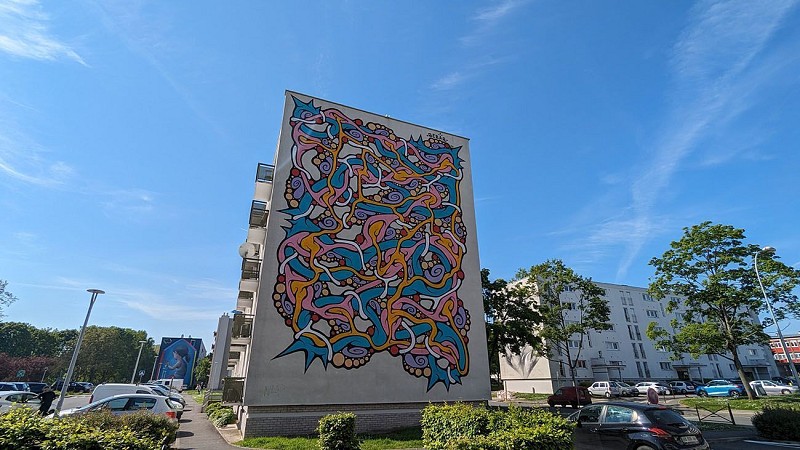
image du object

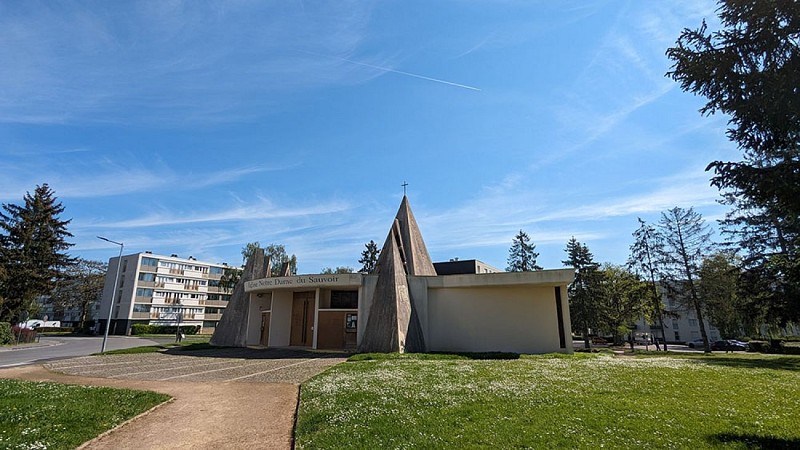
Church of Notre-Dame du Sauvoir

The contracting authority is the Diocese of Soissons. The project manager was the architect and town planner André Croizé (Paris), the same person who designed the ZUP. Construction of the Relais paroissial Notre-Dame du Sauvoir, including the church, took a year, from December 1967 to 22 December 1968. It was blessed by Bishop Bannwarth of Soissons on 12 January 1969. From the outside, the monument is striking in its urban setting. Inverted, the size relationship between the church and the surrounding settlement breaks with the centuries-old tradition of the church and its bell tower dominating the settlement area. Here, the church seems disproportionately small in the midst of the blocks of flats. Humility is the dominant feature of this church, inviting Christians to pray and come together in the heart of this brand new district. However, its sloping and pointed lines add a touch of originality and liveliness in the midst of buildings that alternate horizontally and vertically without dynamism. The church and the neighbourhood are of opposite design, but harmonise and complement each other to a certain extent. There are no openings in the walls. The light is evenly diffused inside by the pyramids, which act as ‘light boxes’. The church's terraces were designed to accommodate topsoil and grass. In addition to its aesthetic and landscaping qualities, the weight of this terrace was also intended to reinforce the stability of the entire building. However, two major problems soon arose: no access was provided for maintaining and mowing the lawn; water retention led to serious problems of dampness and seepage into the concrete slab covering the building. The slab had been poured twice, with a 3-week interruption due to strikes in the middle of May 68, making the structure more sensitive to damp. Masonry and waterproofing work was carried out in March and April 1981: the earth was removed and replaced with gravel; the waterproofing of the terrace was reviewed. The interior paintings of the church were redone in October 1981, and the exterior paintings in 2007. Dimensions : > Length = 34 m; Width = 23 m; > Height = 4.20 m (14m at the level of the largest pyramid)

- Office de tourisme du Pays de Laon -
Consulter

Data author

Ratings and reviews

To see around
See more
Open
Close
Show
Show
Show
Show
Show
Show
Show
Show
Show
Show
Show
Caution!
We have no information on the difficulty of this circuit. You may encounter some surprises along the way. Before you go, please feel free to inquire more and take all necessary precautions. Have a good trip! 🌳🥾