Alert
Alerts
Saint-Antoine-de-Ficalba, un cheminement vers Doumillac et Cambes
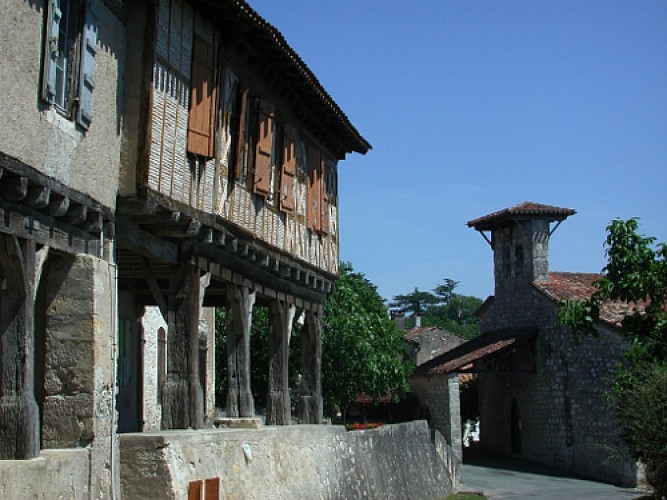
![560_StAntoineDoumillacEgliseetCouvertsStAntoine [ItiAqui]](https://fichier0.cirkwi.com/image/photo/circuit/800x500/51742/en/3.jpg?1750337285)
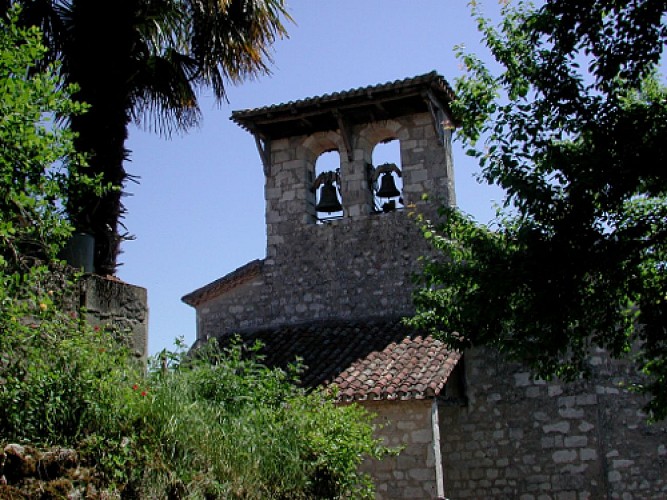
![561_StAntoineEgliseDoumillac [ItiAqui]](https://fichier0.cirkwi.com/image/photo/circuit/800x500/51742/en/4.jpg?1750337285)
![562_StAntoineDoumillacEgliseCambes [ItiAqui]](https://fichier0.cirkwi.com/image/photo/circuit/800x500/51742/en/5.jpg?1750337285)
![563_StAntoinePigeonnierRoubinat [ItiAqui]](https://fichier0.cirkwi.com/image/photo/circuit/800x500/51742/en/6.jpg?1750337285)
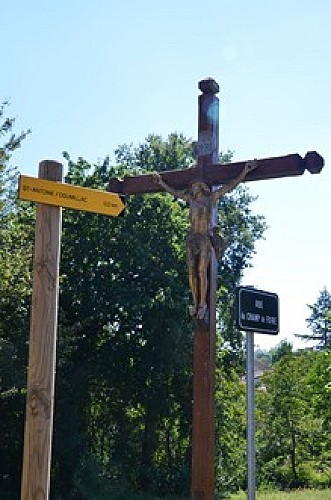
![564_StAntoineCalvaireDoumillac [ItiAqui]](https://fichier0.cirkwi.com/image/photo/circuit/800x500/51742/en/7.jpg?1750337285)
![565_StAntoineTestouPVValléeduMail [ItiAqui]](https://fichier0.cirkwi.com/image/photo/circuit/800x500/51742/en/8.jpg?1750337285)
![566_StAntoinePVdeBarsalou [ItiAqui]](https://fichier0.cirkwi.com/image/photo/circuit/800x500/51742/en/9.jpg?1750337285)
Description
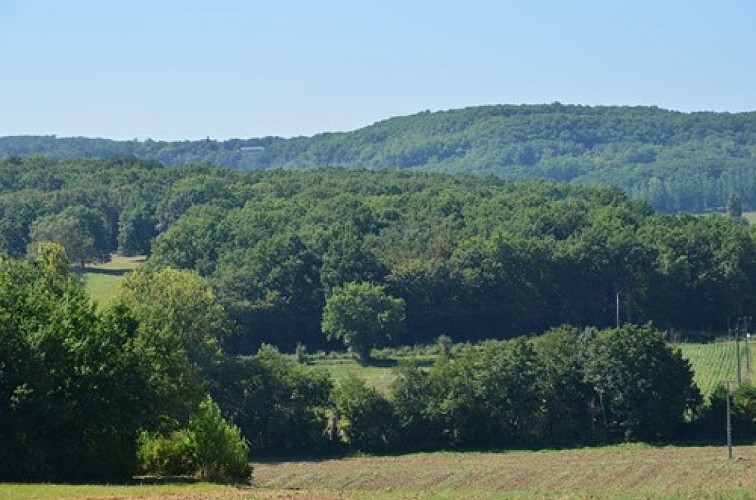
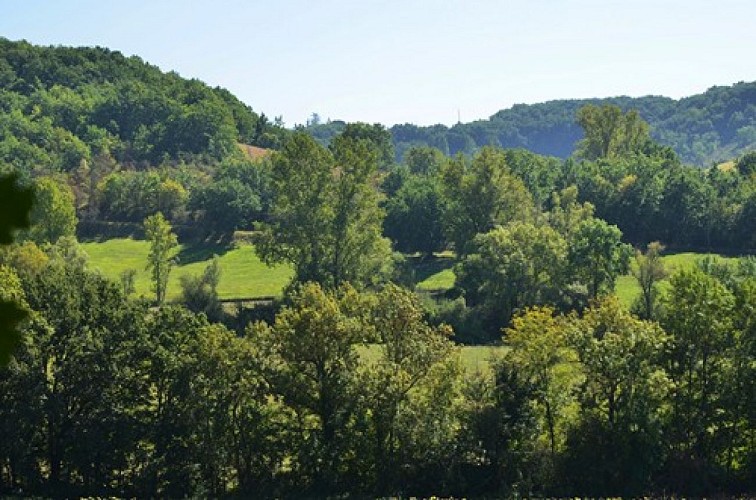
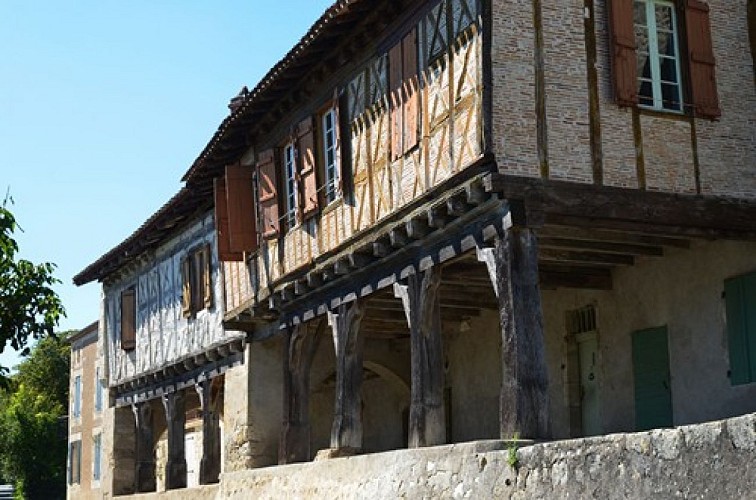
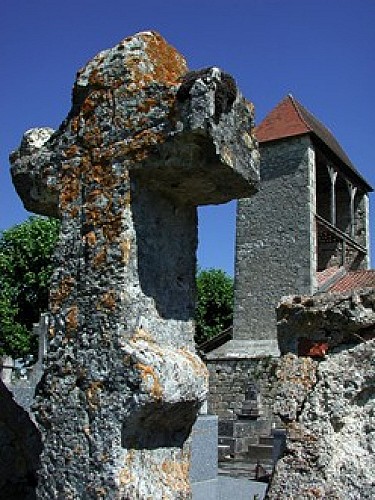
This hilly itinerary offers some beautiful viewpoints and links three churches. The existence of the village from which the walk begins, comes from the establishment of a commandery of Saint-Antoine in the 12th century, but also from the development of white figs imported from the East. The town was then called Saint-Antoine-de-Ficualbano, then Saint-Antoine-de-Figues-Alba before taking its current name, Saint-Antoine-de-Ficalba. Along the way, you will discover the churches that make up the landscape of the Grand Villeneuvois: St-Antoine, rebuilt in the 16th century, which housed a commandery of hospitaliers in the Middle Ages, the church of St-Pierre-ès-Liens in Doumillac, nestled in the vegetation, and Cambes, a former Benedictine priory dating from the 12th and 16th centuries, which depended on the abbey of La Chaise Dieu.
Technical Information
Altimetric profile
Starting point
Points of interest
Additional information
Contact
Fixed telephone : +33 5 53 66 14 14
CDT - Service Randonnée
Balisage
Green
Balisage à la peinture
Typologie de l'itinéraire
Loop
Thèmes
Natural
Data author
