Alert
Alerts
Type of practice
Walking
Easy
3h
Presentation
Map
Steps
Points of interest
Cirkwi brief's
Ratings and reviews
See around
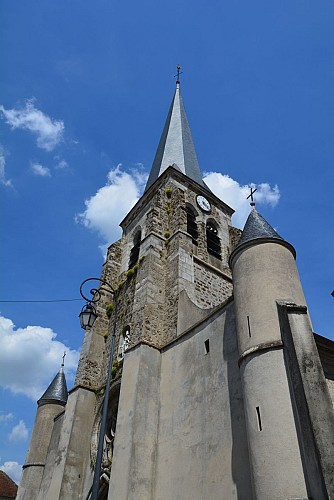
Jouarre and its abbey

Credit : OTPF
The Cirkwi brief
Explore Historic Jouarre: 10km Heritage Trail Discoveries
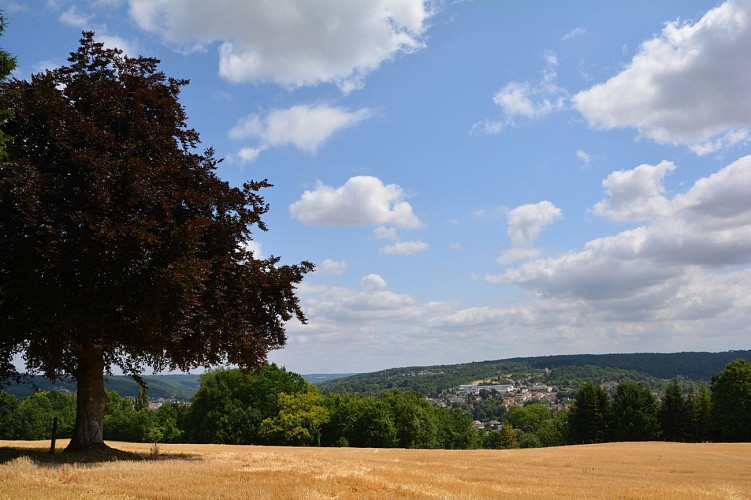
Embark on a journey through time and landscape around the quaint town of Jouarre and further to La Ferté-sous-Jouarre. This carefully curated 10km circuit weaves through rolling hills, serene woods, and charming water edges, while also navigating some quaint towns. Designed by Coulommiers Pays de Brie Tourism, this route is more than just a walk; it's an immersive experience into the culture and history of the region. The path may challenge you with its occasional steep and slippery slopes during wet weather, but it rewards with breathtaking views and an intimate encounter with the heritage of this storied area.
Technical Trail Insights
This 10.072km heritage trail, with its minimum altitude at 51 meters and peaking at 140 meters, incorporates a total elevation gain of 213 meters, both up and down. The variability in elevation, combined with certain steep and potentially slippery sections, particularly in moist conditions, requires a moderate level of fitness. The path cuts through diverse landscapes, which, while stunning, demands attentiveness to avoid navigational challenges. Conceived by Coulommiers Pays de Brie Tourism, this route exemplifies a well-balanced mix of physical engagement and scenic enjoyment.
Seasonal Tips for Trail Walkers
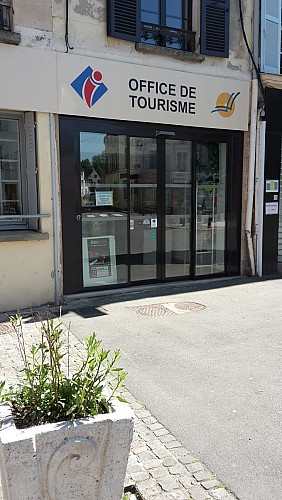
As your local guide, I recommend tackling this trail during spring or autumn to capture the essence of the region at its prime. In spring, the blossoming flora breathes life into the landscape, whereas autumn dresses the woods in mesmerizing hues. Regardless of the season, sturdy walking shoes are a must, given the mixed terrain and potential slippery slopes. It's also wise to check the weather prior to departure and carry water, especially during the summer months. The Tourist Office of Jouarre provides resources year-round but remember their opening hours vary by season.
The Essence of Jouarre and Beyond
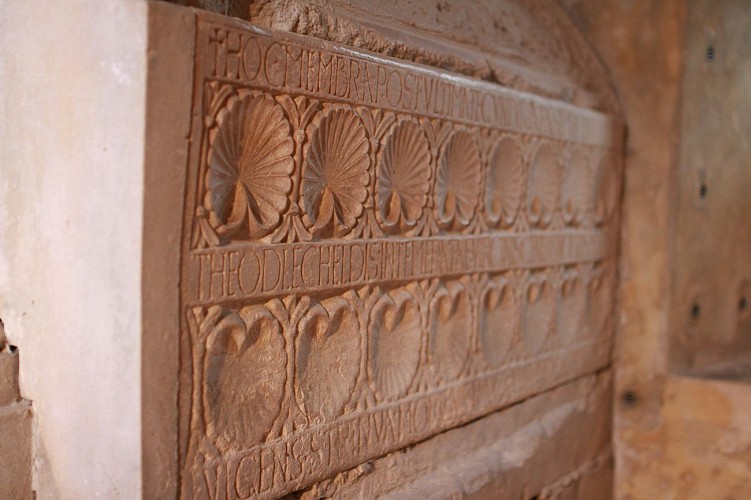
Jouarre, nestled within the heart of the Coulommiers Pays de Brie region, boasts a rich tapestry of history and culture. Not just a starting point for our journey, Jouarre is home to an impressive Merovingian crypt and a vibrant artisan community. This territory, deeply rooted in the broader historical narrative of the Île-de-France, serves as a living museum. Its landscape and architecture tell tales of France's medieval past and its transition through the centuries. Through this trail, one not only explores the physical paths but also the historical depths of this enchanting area.
Weather Patterns and Visitation Advice
The climate of the Jouarre region, typical of the Île-de-France, experiences mild to moderate temperatures with distinct seasonal changes. Winter can be brisk, making layered clothing a necessity for those brave enough to embark during the colder months. Summer provides an ideal, though occasionally warm, condition for the trek. However, the most magical times are arguably during the spring and autumn, where moderate temperatures and minimal rainfall create perfect walking conditions. To fully appreciate the beauty and tranquility of this trail, planning a visit around these seasons is highly recommended.
Embark on a journey through time and landscape around the quaint town of Jouarre and further to La Ferté-sous-Jouarre. This carefully curated 10km circuit weaves through rolling hills, serene woods, and charming water edges, while also navigating some quaint towns. Designed by Coulommiers Pays de Brie Tourism, this route is more than just a walk; it's an immersive experience into the culture and history of the region. The path may challenge you with its occasional steep and slippery slopes during wet weather, but it rewards with breathtaking views and an intimate encounter with the heritage of this storied area.
Technical Trail Insights
This 10.072km heritage trail, with its minimum altitude at 51 meters and peaking at 140 meters, incorporates a total elevation gain of 213 meters, both up and down. The variability in elevation, combined with certain steep and potentially slippery sections, particularly in moist conditions, requires a moderate level of fitness. The path cuts through diverse landscapes, which, while stunning, demands attentiveness to avoid navigational challenges. Conceived by Coulommiers Pays de Brie Tourism, this route exemplifies a well-balanced mix of physical engagement and scenic enjoyment.
Seasonal Tips for Trail Walkers
As your local guide, I recommend tackling this trail during spring or autumn to capture the essence of the region at its prime. In spring, the blossoming flora breathes life into the landscape, whereas autumn dresses the woods in mesmerizing hues. Regardless of the season, sturdy walking shoes are a must, given the mixed terrain and potential slippery slopes. It's also wise to check the weather prior to departure and carry water, especially during the summer months. The Tourist Office of Jouarre provides resources year-round but remember their opening hours vary by season.
The Essence of Jouarre and Beyond
Jouarre, nestled within the heart of the Coulommiers Pays de Brie region, boasts a rich tapestry of history and culture. Not just a starting point for our journey, Jouarre is home to an impressive Merovingian crypt and a vibrant artisan community. This territory, deeply rooted in the broader historical narrative of the Île-de-France, serves as a living museum. Its landscape and architecture tell tales of France's medieval past and its transition through the centuries. Through this trail, one not only explores the physical paths but also the historical depths of this enchanting area.
Weather Patterns and Visitation Advice
The climate of the Jouarre region, typical of the Île-de-France, experiences mild to moderate temperatures with distinct seasonal changes. Winter can be brisk, making layered clothing a necessity for those brave enough to embark during the colder months. Summer provides an ideal, though occasionally warm, condition for the trek. However, the most magical times are arguably during the spring and autumn, where moderate temperatures and minimal rainfall create perfect walking conditions. To fully appreciate the beauty and tranquility of this trail, planning a visit around these seasons is highly recommended.
Automatically generated.
Technical Information
Walking
Difficulty
Easy
Duration
3h
(1d)
Dist.
10 km
Type of practice
Walking
Easy
3h
Show more
Altimetric profile
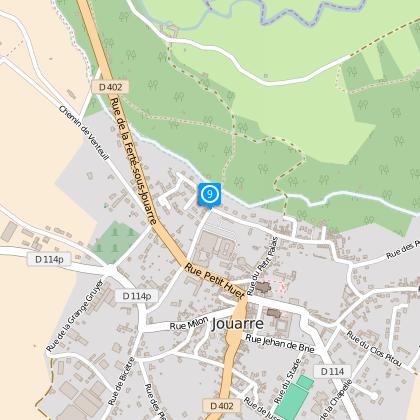
Starting point
11-31
Grande Place
,
77640
Jouarre
Lat : 48.92697Lng : 3.13007
Steps
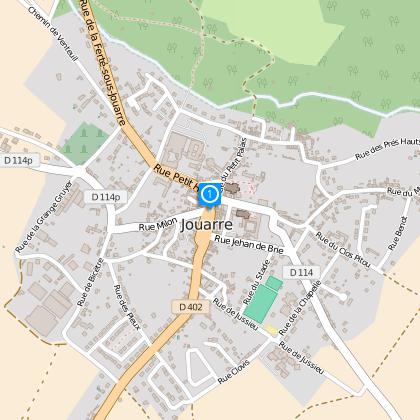
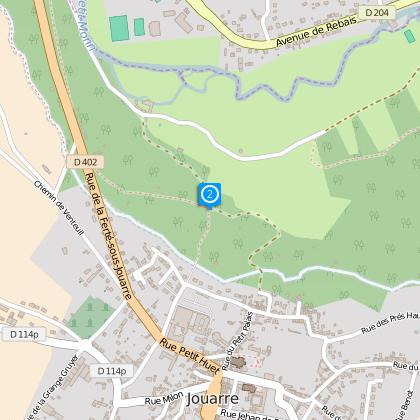
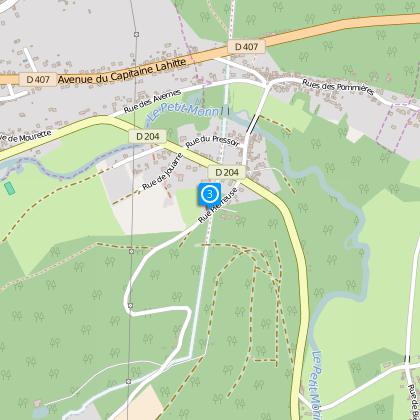
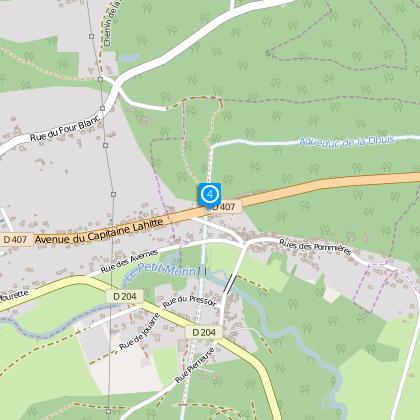
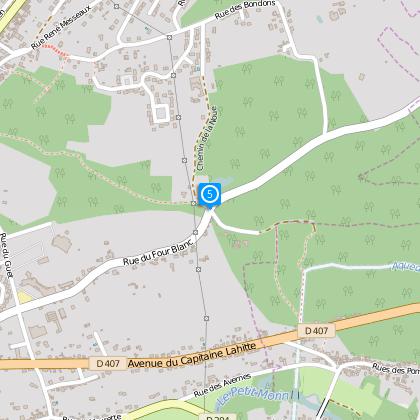
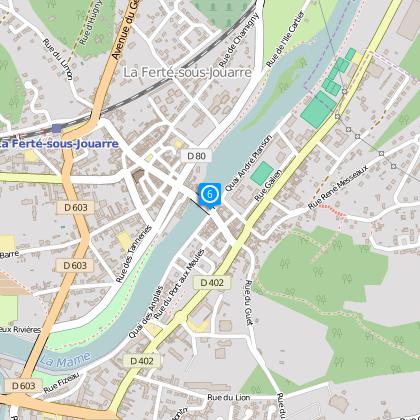
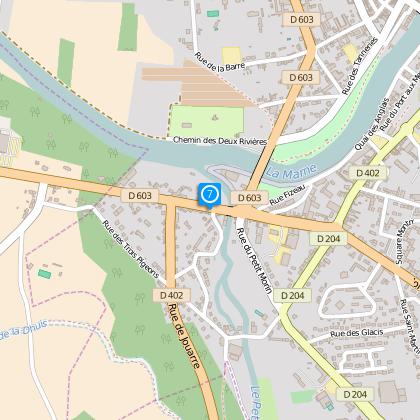
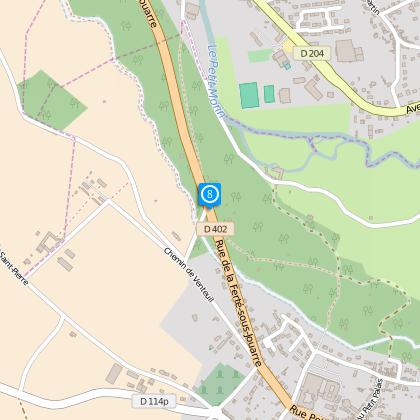
Points of interest
Data author

proposed by
Coulommiers Pays de Brie Tourisme
7 rue du Général de Gaulle 77110 Coulommiers France
Ratings and reviews
To see around