Alert
Alerts
Type of practice
Walking
Easy
3h
Presentation
Map
Steps
Points of interest
Cirkwi brief's
Ratings and reviews
See around
From Brimborion to Les Moulineaux
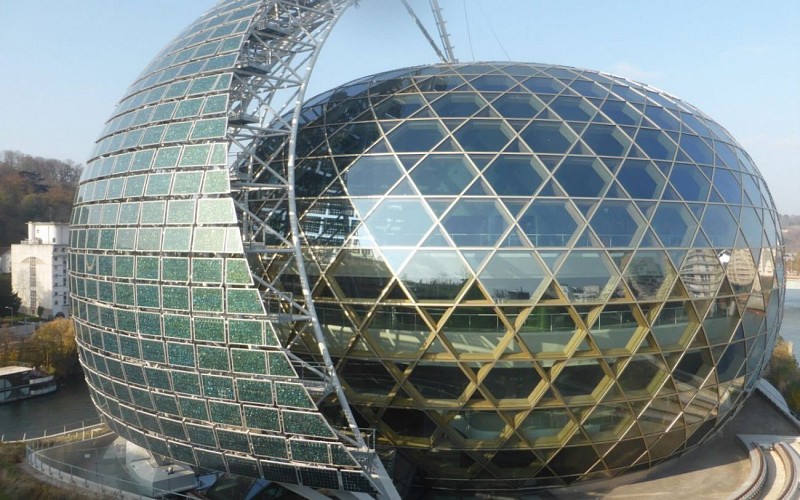
Credit : Pasapas
The Cirkwi brief
Discover Seine's Melodic Journey: From Sèvres to Issy
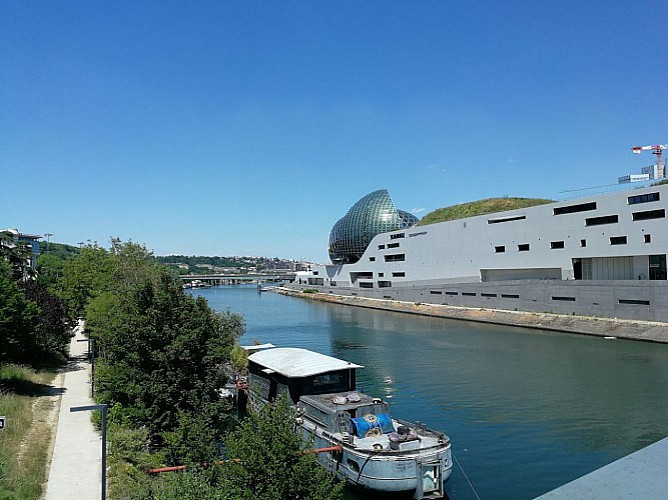
Embarking on a picturesque stroll from Brimborion to Les Moulineaux, we uncover the serene beauty and melodious soul of the Seine's riverside. This route, lovingly curated by BergerFranc, not only promises an intimate exploration through the enchanting landscapes of Sèvres, Meudon, and Issy les Moulineaux but also offers a cultural feast with a visit to the iconic Seine Musicale. Embrace the opportunity to experience the harmonious blend of nature, music, and architecture. This journey is a reminder of how city walks can surprise and delight us, threading through parks, botanical gardens, and historical landmarks with the ever-present Seine as our companion.
Technical Itinerary Insights
The itinerary from Brimborion to Les Moulineaux spans approximately 10.4 kilometers, with the highest elevation reaching up to 88 meters and the lowest at 28 meters. The positive elevation variation is between 66 to 79 meters, making this route moderately challenging for walkers. The path traverses diverse terrains, offering a comprehensive workout while also accommodating moments of leisure and cultural enrichment through its scenic and historic points of interest. An ideal balance between physical activity and sensory pleasure.
Seasonal Tips for Travelers
Regardless of the season, the journey from Brimborion to Les Moulineaux is spectacular. In spring and summer, the foliage and gardens are in full bloom, making it a vibrant time to explore. However, always carry water and wear sun protection. Autumn transforms the landscape into a palette of warm colors, ideal for photographers. Winter, despite being chillier, offers a stark beauty and fewer crowds. Always wear appropriate footwear for the weather, and note that some paths may be slippery after rain or frost. Lastly, always respect local regulations and preserve the natural beauty for others to enjoy.
Historic Highlights of the Route
Sèvres, Meudon, and Issy les Moulineaux are towns rich in cultural heritage within the Île-de-France region. Notably, Sèvres is world-renowned for its ceramics, with the Sèvres Porcelain Factory being a significant historic site. Meudon offers a glance into astronomical advancements with its Observatory. Issy les Moulineaux, evolving from medieval roots to a modern community, bridges the past and the future. These towns, set against the backdrop of the Seine, encapsulate the essence of French history and its continuous journey towards modernity.
Climate Guide for the Ideal Visit
The Île-de-France benefits from a temperate climate, with mild winters and warm summers. Spring (April to June) and Autumn (September to November) present the most agreeable temperatures for outdoor activities like walking. These seasons feature mild weather, making them ideal for exploring the route from Brimborion to Les Moulineaux without the extremes of summer heat or winter cold. Rain is distributed fairly throughout the year, so carrying an umbrella is advisable. The best times for this journey are late spring and early autumn, to fully enjoy the natural and cultural beauty along the Seine.
Embarking on a picturesque stroll from Brimborion to Les Moulineaux, we uncover the serene beauty and melodious soul of the Seine's riverside. This route, lovingly curated by BergerFranc, not only promises an intimate exploration through the enchanting landscapes of Sèvres, Meudon, and Issy les Moulineaux but also offers a cultural feast with a visit to the iconic Seine Musicale. Embrace the opportunity to experience the harmonious blend of nature, music, and architecture. This journey is a reminder of how city walks can surprise and delight us, threading through parks, botanical gardens, and historical landmarks with the ever-present Seine as our companion.
Technical Itinerary Insights
The itinerary from Brimborion to Les Moulineaux spans approximately 10.4 kilometers, with the highest elevation reaching up to 88 meters and the lowest at 28 meters. The positive elevation variation is between 66 to 79 meters, making this route moderately challenging for walkers. The path traverses diverse terrains, offering a comprehensive workout while also accommodating moments of leisure and cultural enrichment through its scenic and historic points of interest. An ideal balance between physical activity and sensory pleasure.
Seasonal Tips for Travelers
Regardless of the season, the journey from Brimborion to Les Moulineaux is spectacular. In spring and summer, the foliage and gardens are in full bloom, making it a vibrant time to explore. However, always carry water and wear sun protection. Autumn transforms the landscape into a palette of warm colors, ideal for photographers. Winter, despite being chillier, offers a stark beauty and fewer crowds. Always wear appropriate footwear for the weather, and note that some paths may be slippery after rain or frost. Lastly, always respect local regulations and preserve the natural beauty for others to enjoy.
Historic Highlights of the Route
Sèvres, Meudon, and Issy les Moulineaux are towns rich in cultural heritage within the Île-de-France region. Notably, Sèvres is world-renowned for its ceramics, with the Sèvres Porcelain Factory being a significant historic site. Meudon offers a glance into astronomical advancements with its Observatory. Issy les Moulineaux, evolving from medieval roots to a modern community, bridges the past and the future. These towns, set against the backdrop of the Seine, encapsulate the essence of French history and its continuous journey towards modernity.
Climate Guide for the Ideal Visit
The Île-de-France benefits from a temperate climate, with mild winters and warm summers. Spring (April to June) and Autumn (September to November) present the most agreeable temperatures for outdoor activities like walking. These seasons feature mild weather, making them ideal for exploring the route from Brimborion to Les Moulineaux without the extremes of summer heat or winter cold. Rain is distributed fairly throughout the year, so carrying an umbrella is advisable. The best times for this journey are late spring and early autumn, to fully enjoy the natural and cultural beauty along the Seine.
Automatically generated.
Technical Information
Walking
Difficulty
Easy
Duration
3h
(1d)
Dist.
10 km
Type of practice
Walking
Easy
3h
Show more
Altimetric profile
Starting point
92310
Sèvres
Lat : 48.82199Lng : 2.23165
Steps
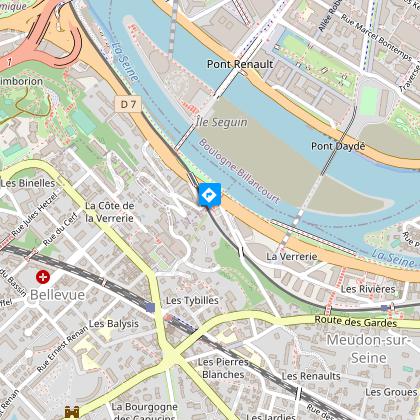
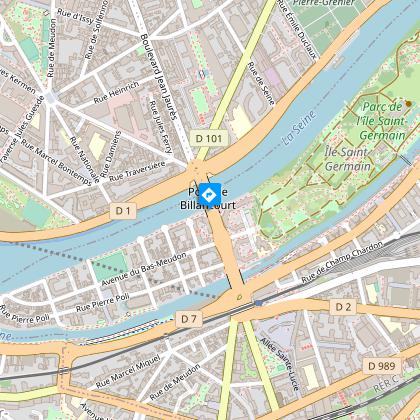
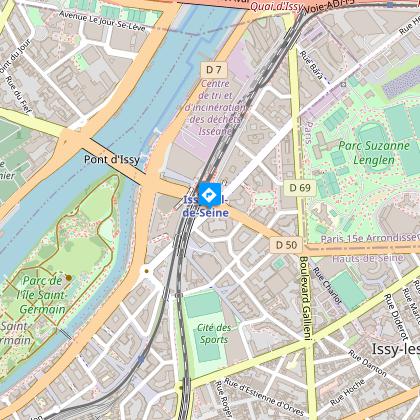
Points of interest
Data author

proposed by
BERGERFRANC
24 RUE PIERRE VIROL 92700 COLOMBES France
Ratings and reviews
To see around