Alert

Alerts

To see around
See more
Open
Close
Show
Show
Show
Show
Show
Show
Show
Show
Show
Show
Show

Oups... It would appear that Cirkwi does not have permission to use your location.

Presentation
Description
Map
Points of interest
Ratings and reviews
See around

THE UPPER CANNER VALLEY

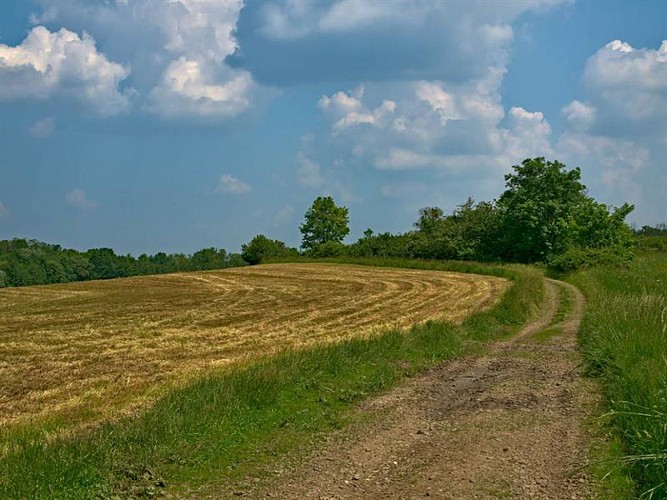
Sur le GR5F
Sur le GR5F
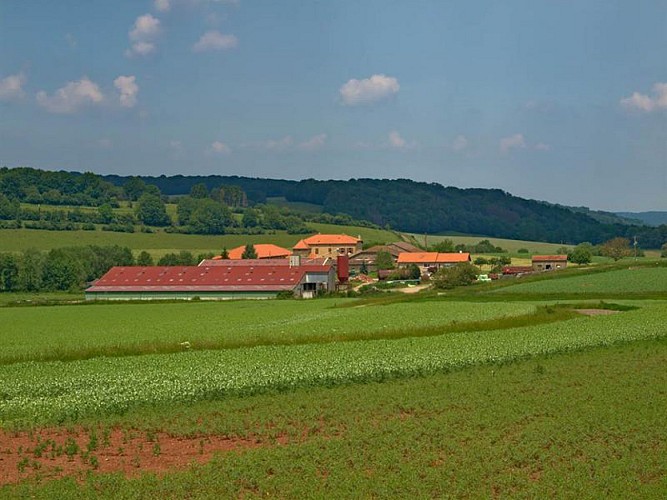
Ferme de Neudelange
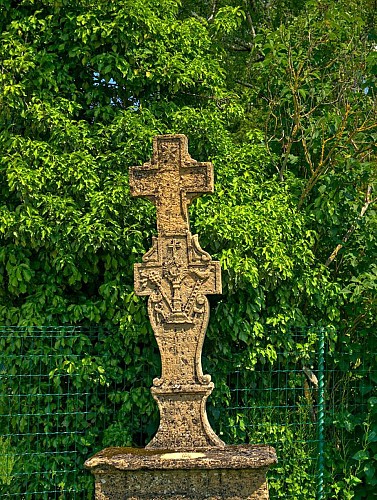
Calvaire, Altroff
Vue depuis le chemin des morts
Altroff
Credit : Emmanuel Stourm 2021 Licence OpenData

Description

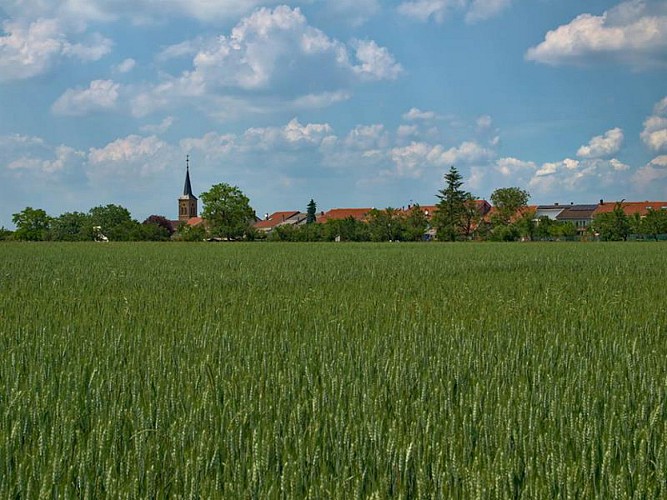
This walk invites you to discover the Haute Vallée de la Canner, a listed natural site, recognised for its landscape qualities and rich heritage.
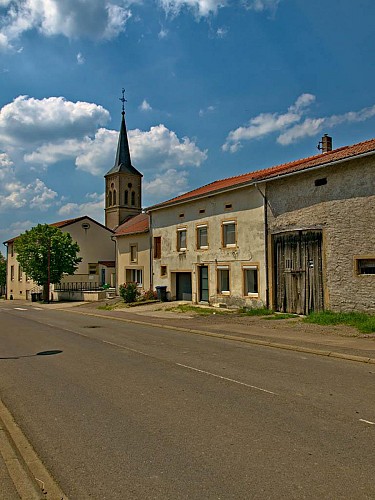
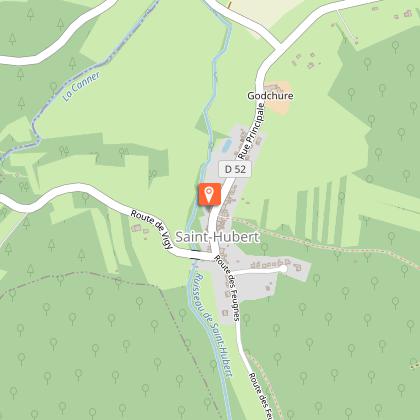
Starting from the village-street of Altroff, where the view extends over the valley, the route leads gradually into the forest to the fortified farm of Neudelange. There, you will take the GR5 path in the footsteps of the pilgrims of Santiago de Compostela. When you arrive in Saint-Hubert, you will leave on your left the old marshy valley at the bottom of which the monks built the abbey of Villers-Bettnach, to go back up by the path of the dead which was formerly used to bring the dead of Saint-Hubert to the cemetery of Altroff.

Technical Information

Walking
Difficulty
Easy
Duration
2h30mn
Dist.
7.2 km
Show more

Altimetric profile

Starting point

45 Grand Rue , 57640   BETTELAINVILLE
Lat : 49.248122408414Lng : 6.3236940418472

Points of interest

image du object

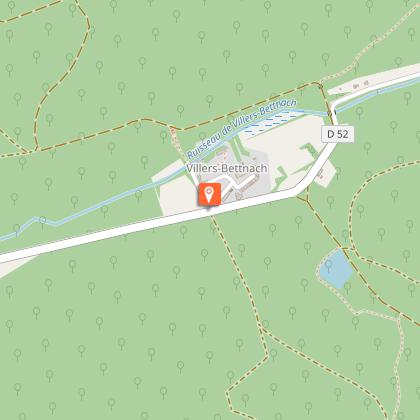
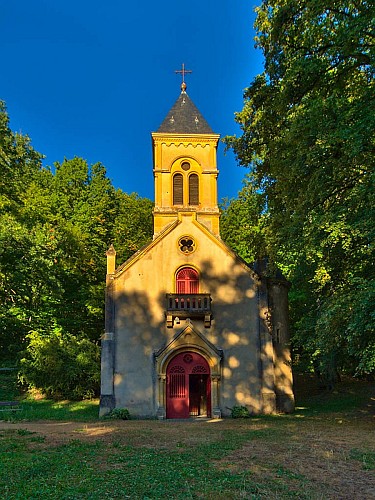
Cistercian Abbey of Villers Bettnach

In 1132, Henry of Carinthia, Cistercian abbot of Morimond, arrived in a small, quiet valley, surrounded by majestic forests and crossed by the Canner, a small stream whose source is nearby. He was accompanied by monks and converses, laborers, stonecutters and blacksmiths. On land donated by the Duke of Lorraine and other generous donors, they founded the Abbey of Villers-Bettnach in a place conducive to meditation and work. At first, a small chapel dedicated to Sainte-Catherine, named after one of the foundation's donors, was built. The building where it stood still exists. The gable is adorned with three Romanesque windows, typical of the period. This was followed by the construction of the classic buildings found in all other abbeys: church, abbey-church, cloister, chapter house, chauffoir, refectory, dormitories, library, storeroom, storehouse, workshops for carpentry, blacksmithing, construction and reception of foreigners. The Abbey of Villers-Bettnach quickly became a major influence. Teams of monks trained here left to found new abbeys in Austria, Belgium, Germany and Yugoslavia. After the revolutionary turmoil and the departure of the last monks, the buildings were sold as national property and demolished as quarries. The abbey church was less than a century old. Visitors to the site will discover the Chapelle des Humbles, restored by the Association, the portal of Monseigneur Coislin, the gable of the Chapelle Sainte Catherine, the ruins and, some distance away, the pond, the monastery's water reserve.

- Agence Inspire Metz - Office de Tourisme -
Consulter

Additional information

Producteur de la donnée

Ces informations sont issues de la plateforme SITLOR - Système d’Information Touristique - Lorraine
Elles sont synchronisées dans le cadre du partenariat entre Cirkwi, l’Agence régionale du Tourisme Grand Est et les membres du comité technique de Sitlor.

Data author

Ratings and reviews

To see around
See more
Open
Close
Show
Show
Show
Show
Show
Show
Show
Show
Show
Show
Show
Caution!
We have no information on the difficulty of this circuit. You may encounter some surprises along the way. Before you go, please feel free to inquire more and take all necessary precautions. Have a good trip! 🌳🥾