Alert
Alerts
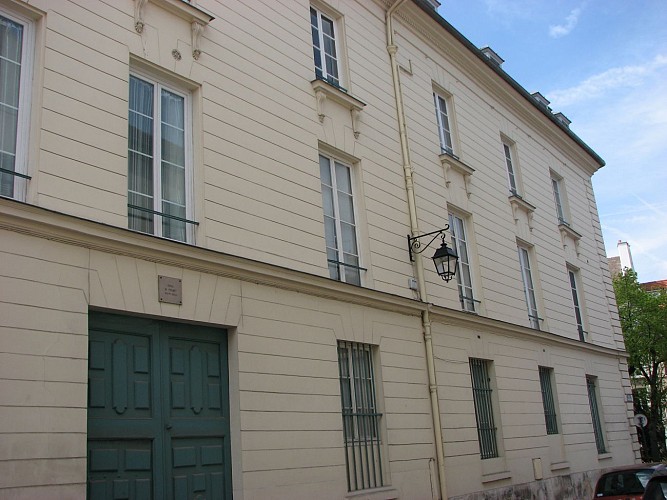
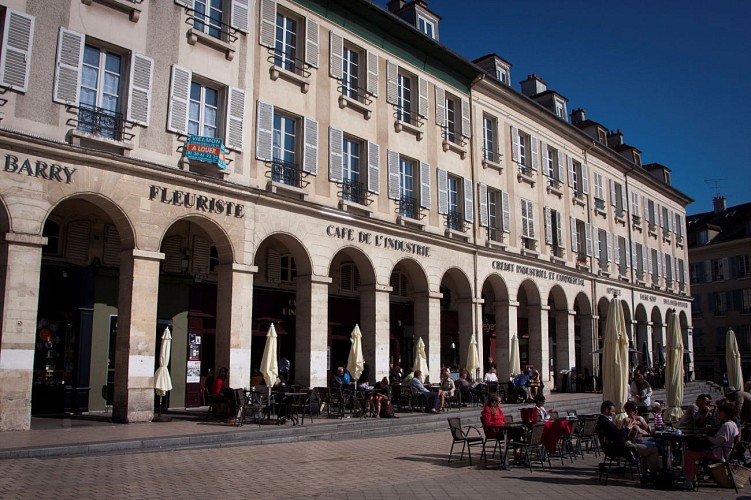
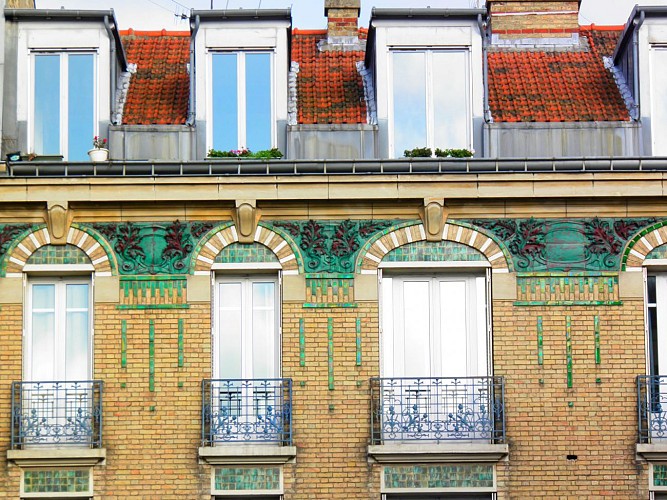
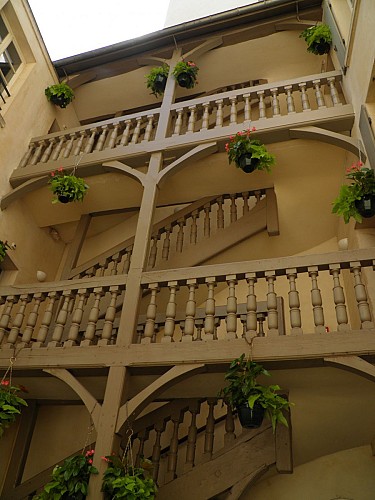
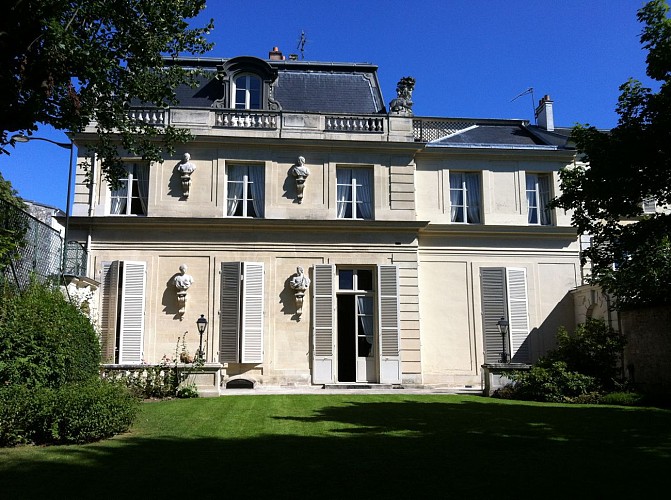
Historical residences in Saint-Germain-en-Laye

The Cirkwi brief
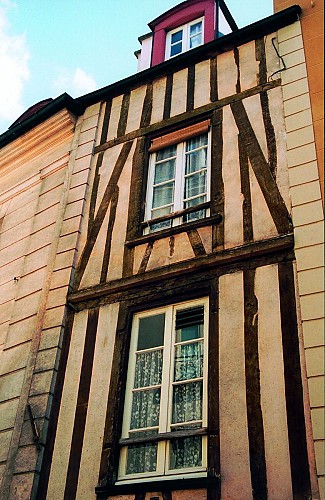
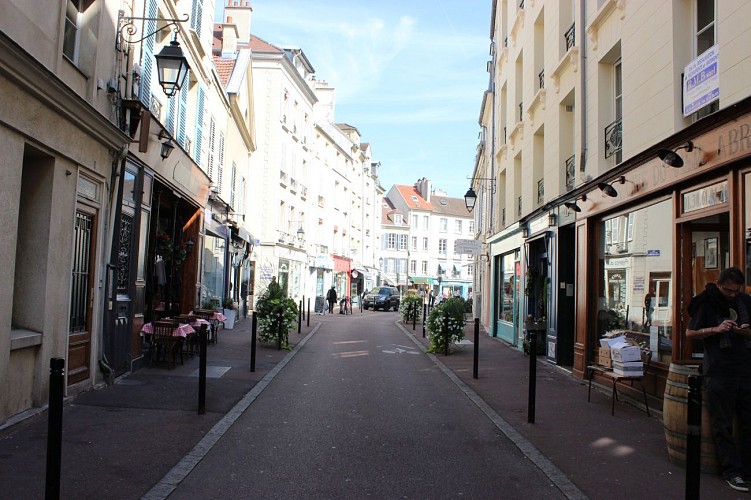
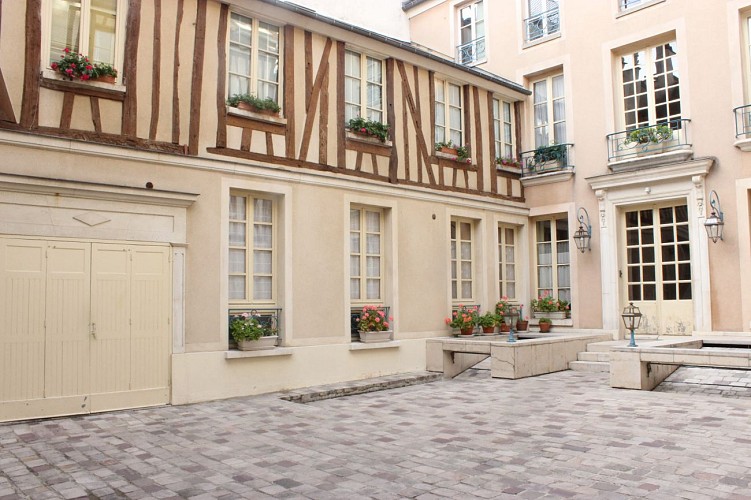
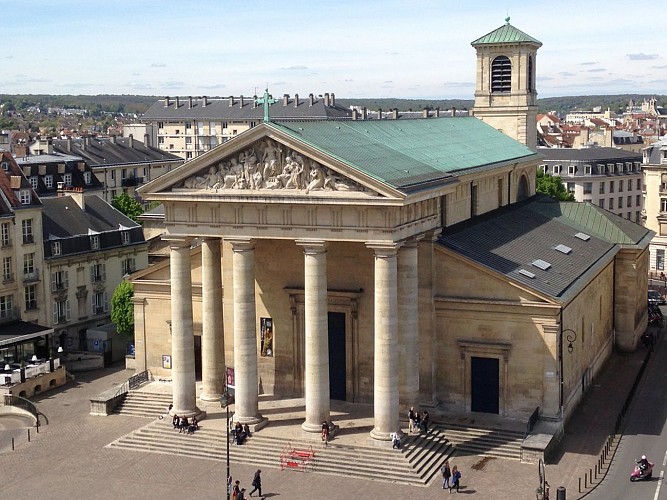
Immerse yourself in the rich tapestry of French royalty and ancient history as you wander through the quaint streets of Saint-Germain-en-Laye. This journey, crafted by the Office de Tourisme, unveils the medieval architecture and royal residences that have witnessed centuries of French history. Let the cobbled lanes whisper tales of the past as you uncover the storied Château de Saint-Germain, now the National Museum of Archaeology. Feel the essence of bygone eras amidst modern-day charm, offering a serene escape near Paris.
Key Stats: Route Technical Brief
Spanning approximately 2.91 kilometers, the trail meanders through historical landmarks with an elevation fluctuation that's barely noticeable - peaking at 92 meters and dipping to 85 meters. The total positive altitude change sums up to a slight 7 meters, making the walking endeavor quite accessible. This straightforward, yet historically enriching route proposed by the Office de Tourisme proves to be an insightful walk rather than a physically demanding challenge.
Seasonal Tips for Visitors
Regardless of the season, Saint-Germain-en-Laye's walkable route remains captivating. During spring and autumn, the milder weather complements the architectural beauty, making these seasons ideal for exploration. Summer offers longer daylight hours for extended strolls, though it's wise to carry water. In winter, ensure to dress warmly. Comfortable walking shoes are a must year-round, and always keep an eye on local advisories for any unforeseen changes in accessibility or opening hours.
Historical Essence of Saint-Germain-en-Laye
Saint-Germain-en-Laye stands as a beacon of French heritage within the Ile-de-France region. Its foundation traces back beyond the 12th century, serving as a royal haven and a pivotal locale in France's history. The Château de Saint-Germain, alongside its transformation into a renowned archaeological museum by Napoleon III, highlights the city's continuous relevance through ages - a testament to its resilience and historical significance within the national narrative.
Climate Insights: Best Time to Visit
Saint-Germain-en-Laye enjoys a temperate climate, with mild summers and cool winters. The most pleasant weather conditions for embarking on this historical exploration are typically found from late spring to early autumn (May through September), when temperatures are comfortable, and rainfall is moderate. This period accentuates the city's natural and architectural splendor, making it the recommended window for your visit.
Technical Information
Altimetric profile
Starting point
Steps










Points of interest

Data author
