Alert
Alerts
RANDONNEE EN HAUT CHEMIN - CHARLEMAGNE SPRING
Description
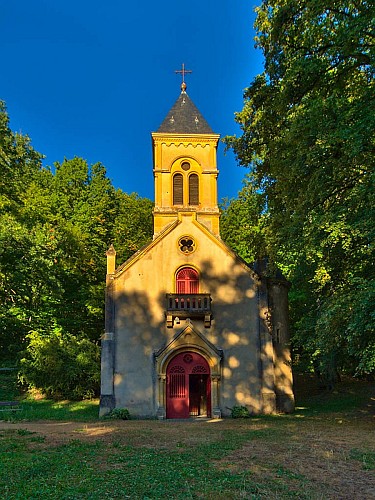
In this land of legends, with its vast forests, hamlets and villages nestled in the middle of clearings, and abbey ruins, it is said that a spring gushed forth at the spot where Charlemagne’s horse struck the ground with its hoof during a hunting party.
Technical Information
Altimetric profile
Starting point
Points of interest
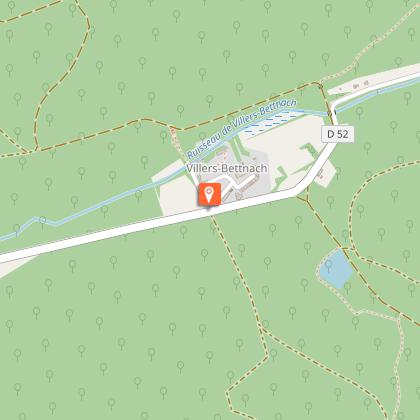
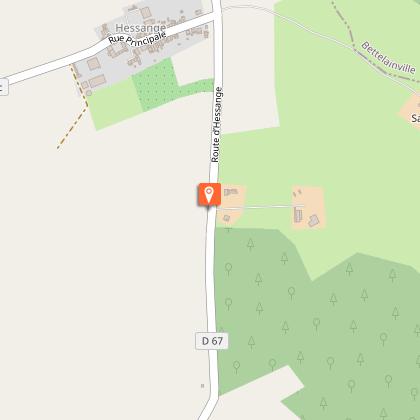
Additional information
Contact
Tel : 03 87 37 57 82
Email : daniel.bailly@moselle-attractivite.fr
Site web : www.moselle-tourisme.com
Producteur de la donnée
Ces informations sont issues de la plateforme SITLOR - Système d’Information Touristique - Lorraine
Elles sont synchronisées dans le cadre du partenariat entre Cirkwi, l’Agence régionale du Tourisme Grand Est et les membres du comité technique de Sitlor.
Data author
