Alert
Alerts
Type of practice
Walking
Very easy
2h30mn
Running
Very easy
Cycling
Very easy
Presentation
Map
Points of interest
Cirkwi brief's
Ratings and reviews
See around
At the Seclin canal, the duck takes a bath.

Credit : Office de Tourisme de Seclin & Environs
The Cirkwi brief
Discover Scenic Seclin: A Tranquil Stroll Along The Canal
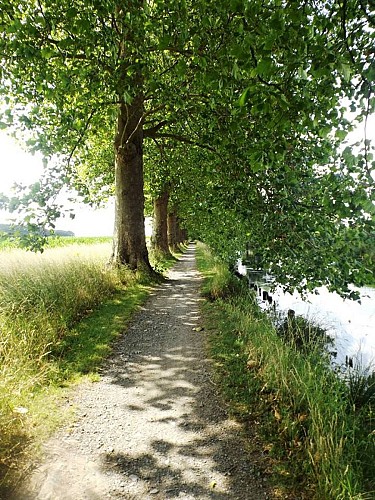
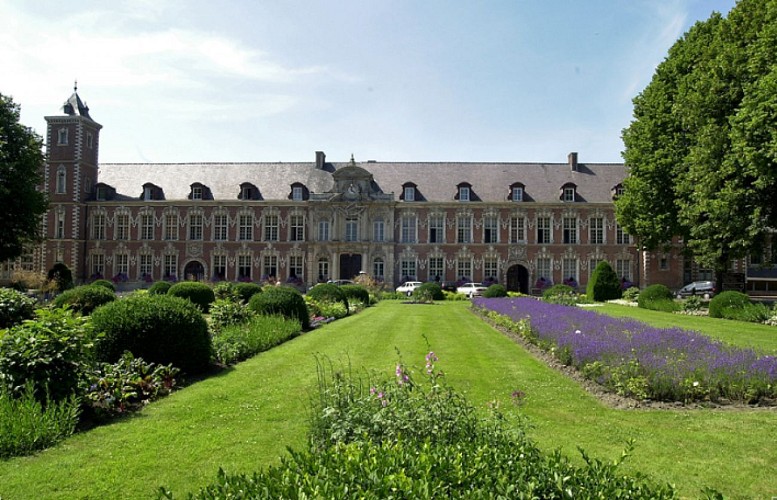
Seclin Mélantois Tourisme invites you to embark on a journey through one of Lille’s green gems, just a stone's throw from the historic Marguerite de Flandres hospital. This route, veiled in the serenity of towering platanes old enough to be deemed 'remarkable', offers a quiet haven from the bustling city life. Here, amidst the verdant landscape, visitors will find themselves quietly observing the daily routines of ducks, water hens, and swans. It’s a gentle reminder of the timeless dance between nature and history that this part of France encapsulates so well.
Technical Insights for Enthusiasts
This trail stretches over approximately 8.4 km, nestled between altitudes of 19 meters at its lowest and 25 meters at its highest peaks. It involves a minimal elevation gain, only oscillating between 62 and 60 meters, thus making it an accessible route for casual walkers and seasoned trekkers alike. Despite its relatively flat terrain, the variation in altitude can offer subtle challenges and rewards for keen observers of the landscape's gentle undulations.
Seasonal Tips for Canal Walkers
Before stepping out, consider the season. Spring and autumn offer the perfect balance of mild weather and the canal’s full vibrancy, be it through blossoming life or the russet tones of falling leaves. Summer promises longer days, yet preparation is key: bring sunscreen, water, and perhaps a hat. Winter, on the other hand, brings its own quiet beauty, albeit with the need for warm clothing. Regardless of the season, always respect the natural environment and its inhabitants by keeping noise to a minimum and litter at bay.
A Glimpse into Seclin's Past
Seclin, a town rich in history within the Nord department of France, plays host to this idyllic canal walk. Notably, the region stands as a testament to architectural and cultural evolution, with the Marguerite de Flandres hospital serving as a prominent historical landmark dating back to the 17th century. This area, deeply woven into the fabric of French history, provides a unique backdrop to the canal, offering walkers a tangible link to the past amidst natural beauty.
Understanding Seclin's Climate
Seclin experiences a temperate oceanic climate, characterized by mild temperatures year-round. Winters are cool without being harsh, whereas summers are pleasantly warm rather than sweltering. This climate makes Seclin a delightful destination for canal walks virtually any time of the year. However, for an optimal experience, visiting between late spring and early autumn will present you with the best mix of comfortable weather and the area’s natural beauty at its peak.
Seclin Mélantois Tourisme invites you to embark on a journey through one of Lille’s green gems, just a stone's throw from the historic Marguerite de Flandres hospital. This route, veiled in the serenity of towering platanes old enough to be deemed 'remarkable', offers a quiet haven from the bustling city life. Here, amidst the verdant landscape, visitors will find themselves quietly observing the daily routines of ducks, water hens, and swans. It’s a gentle reminder of the timeless dance between nature and history that this part of France encapsulates so well.
Technical Insights for Enthusiasts
This trail stretches over approximately 8.4 km, nestled between altitudes of 19 meters at its lowest and 25 meters at its highest peaks. It involves a minimal elevation gain, only oscillating between 62 and 60 meters, thus making it an accessible route for casual walkers and seasoned trekkers alike. Despite its relatively flat terrain, the variation in altitude can offer subtle challenges and rewards for keen observers of the landscape's gentle undulations.
Seasonal Tips for Canal Walkers
Before stepping out, consider the season. Spring and autumn offer the perfect balance of mild weather and the canal’s full vibrancy, be it through blossoming life or the russet tones of falling leaves. Summer promises longer days, yet preparation is key: bring sunscreen, water, and perhaps a hat. Winter, on the other hand, brings its own quiet beauty, albeit with the need for warm clothing. Regardless of the season, always respect the natural environment and its inhabitants by keeping noise to a minimum and litter at bay.
A Glimpse into Seclin's Past
Seclin, a town rich in history within the Nord department of France, plays host to this idyllic canal walk. Notably, the region stands as a testament to architectural and cultural evolution, with the Marguerite de Flandres hospital serving as a prominent historical landmark dating back to the 17th century. This area, deeply woven into the fabric of French history, provides a unique backdrop to the canal, offering walkers a tangible link to the past amidst natural beauty.
Understanding Seclin's Climate
Seclin experiences a temperate oceanic climate, characterized by mild temperatures year-round. Winters are cool without being harsh, whereas summers are pleasantly warm rather than sweltering. This climate makes Seclin a delightful destination for canal walks virtually any time of the year. However, for an optimal experience, visiting between late spring and early autumn will present you with the best mix of comfortable weather and the area’s natural beauty at its peak.
Automatically generated.
Technical Information
Walking
Difficulty
Very easy
Duration
2h30mn
(1d)
Dist.
8.4 km
Type of practice
Walking
Very easy
2h30mn
Running
Very easy
Cycling
Very easy
Show more
Altimetric profile
Starting point
109
Avenue des Marronniers
,
59113
Seclin
Lat : 50.54898Lng : 3.02237
Points of interest
Data author

Ratings and reviews
To see around