Alert
Alerts
Type of practice
Walking
Easy
4h
Presentation
Description
Map
Steps
Points of interest
Cirkwi brief's
Ratings and reviews
See around
24 km for 2024 Edition 2018 course 15 Km
Description
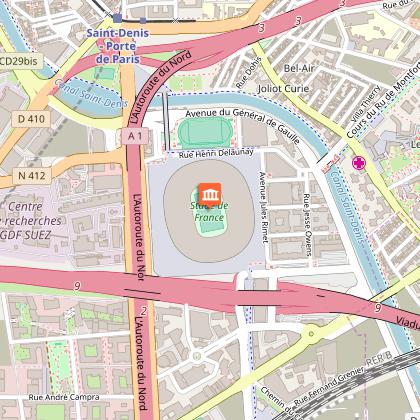
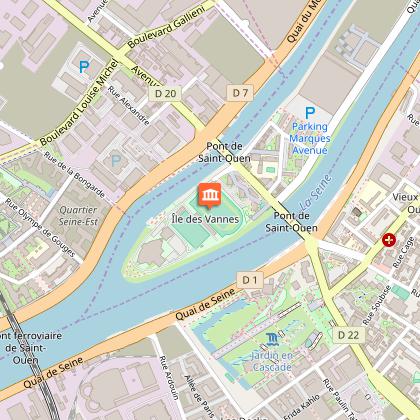
The itinerary allows you to discover the different sites for the JOP 2024 – Paris Olympic Games, passing by Saint-Ouen, l'Île des Vannes, Saint Denis, parc des sports de Marville, parc départemental Georges-Valbon.
A patrimonial and environmental discovery tour
Technical Information
Walking
Difficulty
Easy
Duration
4h
(1d)
Dist.
16 km
Type of practice
Walking
Easy
4h
Show more
Altimetric profile
Starting point
80
Rue Albert Dhalenne
,
93400
Saint-Ouen
Lat : 48.91283Lng : 2.33475
Steps
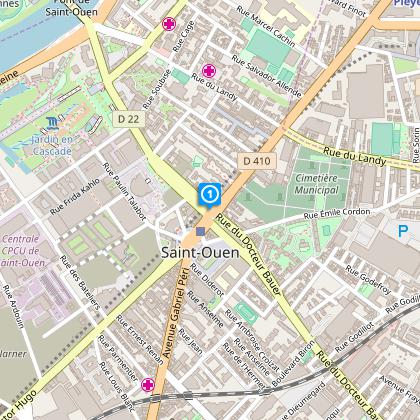
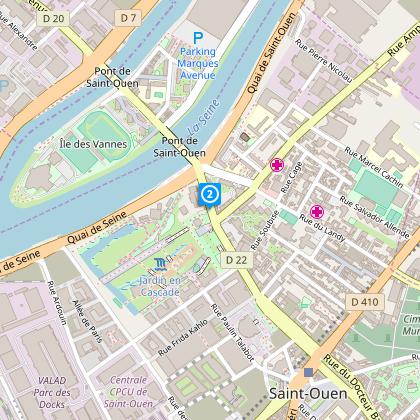
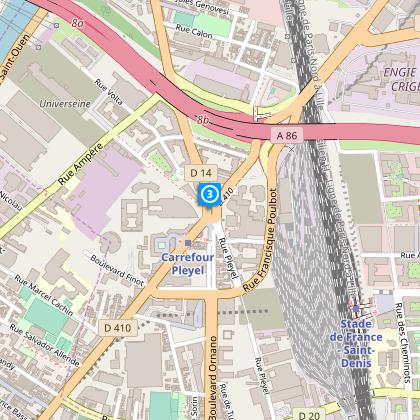
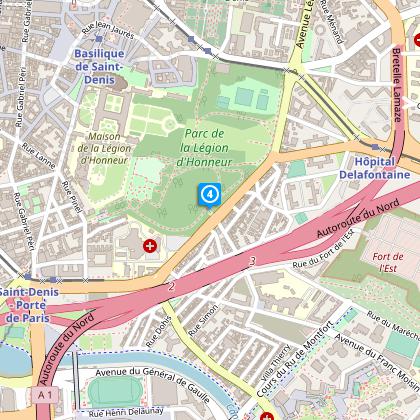
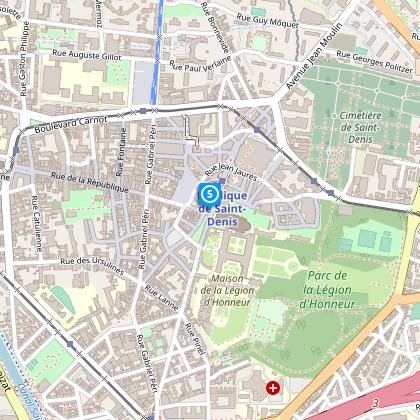
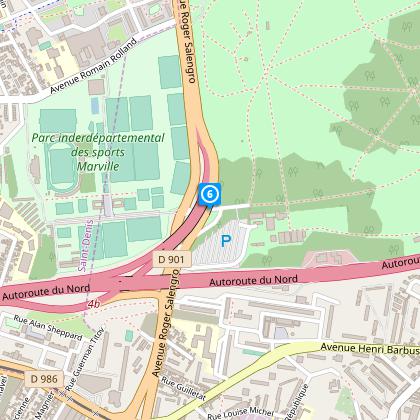
Points of interest
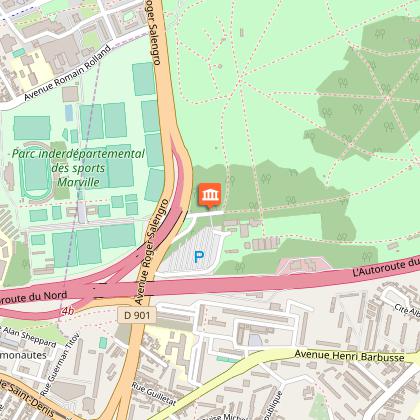
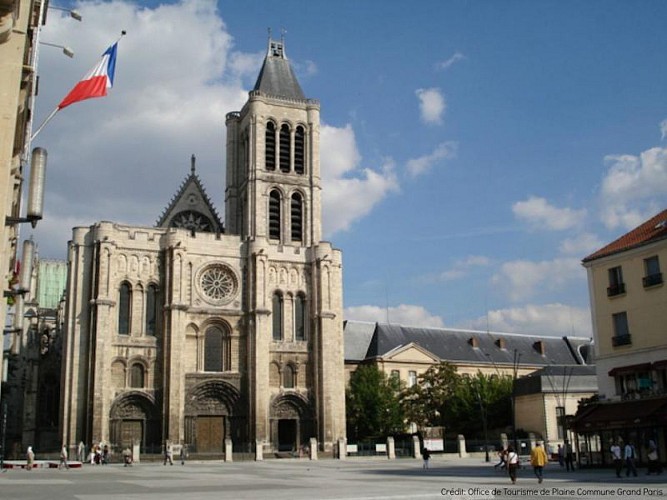

Additional information
Reach the itinerary
Access to the course
> Métro Ligne 13 station Mairie de Saint-Ouen
To reach directly the park:
> RER B (station Courneuve - Aubervilliers) or Tram T1 (stop 6 roads).
On September 30th only: Free shuttles from 13:30 to 20:00 betwwen the RER B, the T1 and the parc.
Data author

proposed by
CDRP 93
1Ter Place des martyrs de la Résistance et de la Déportation 93110 Rosny-sous-Bois France
The Cirkwi brief
Explore Paris 2024 Olympic Sites with FFRandonnee's 15Km
This specially crafted itinerary by FFRandonnee Seine-Saint-Denis reveals a unique side of Paris, stretching through historical and environmental gems, leading up to the eagerly awaited 2024 Paris Olympic Games venues. Starting from the charming streets of Saint-Ouen and wandering through l'Île des Vannes, Saint Denis, and the scenic parc des sports de Marville, to finally immerse in the lush expanses of parc départemental Georges-Valbon. It's a journey not just across distances but through time, unveiling the rich tapestry of Parisian life, its ambitious Olympic dreams, and its commitment to blending urban life with nature's tranquility.
Brief Technical Overview of the Journey
With a total distance of 15.581 kilometers, this 15Km route offers an average altitude ranging from 24 to 61 meters. The ascend and descend along the path balance out, marking a difference of merely 5 meters. Crafted meticulously by FFRandonnee Seine-Saint-Denis, the route is primarily designed for walking, making it accessible to enthusiasts of various fitness levels. Characterized by its gentle slopes and panoramic views, it strikes a harmonious balance between physical challenge and visual delight, ensuring an engaging experience for any trekker.
Seasonal Guide and Safety Tips
For an optimal experience, each season offers different charms along this 15km trek. Spring and autumn, with their milder temperatures, paint the scenery in vibrant colors, making these seasons ideal for your journey. Summer presents the lush, green face of the parks, although hydration and sun protection are a must. Winters are brisk, and pathways might be slippery, so wearing proper footwear is crucial for safety. Regardless of the season, always carry water, snacks, and ensure your mobile phone is fully charged. Local signage is clear, but having a map or a digital guide helps in staying oriented.
Cultural Significance of the Locale
Saint-Ouen and its surroundings, transitioning into the heart of Paris Olympic sites for 2024, boast a rich tapestry of historical and cultural significance. This region, with its industrial roots, has evolved into a vibrant community, embodying the spirit of innovation and culture. The parc départemental Georges-Valbon, once envisaged as a futuristic "satellite city" in the early 20th century, stands as a testament to visionary urban planning, albeit transformed into a haven of greenery. The itinerary not only offers a glimpse into France's sporting future but also threads through the narrative of its past, celebrating the legacy and aspirational strides of the Seine-Saint-Denis department.
Climate Insights for Best Visit Times
Understanding the Local Weather Patterns
The Seine-Saint-Denis region, encompassing the route of this 15km journey, enjoys a temperate oceanic climate. Summers are warm but not overly hot, with average highs around 25°C, making late spring to early summer (May-June) and early autumn (September-October) the prime times for embarking on this outdoor adventure. Winters are generally mild but can be unpredictable with occasional cold snaps. Rainfall is distributed fairly evenly throughout the year, so weather-wise preparedness is key. For the most comfortable trekking experience, aim for days with clear skies and moderate temperatures.
This specially crafted itinerary by FFRandonnee Seine-Saint-Denis reveals a unique side of Paris, stretching through historical and environmental gems, leading up to the eagerly awaited 2024 Paris Olympic Games venues. Starting from the charming streets of Saint-Ouen and wandering through l'Île des Vannes, Saint Denis, and the scenic parc des sports de Marville, to finally immerse in the lush expanses of parc départemental Georges-Valbon. It's a journey not just across distances but through time, unveiling the rich tapestry of Parisian life, its ambitious Olympic dreams, and its commitment to blending urban life with nature's tranquility.
Brief Technical Overview of the Journey
With a total distance of 15.581 kilometers, this 15Km route offers an average altitude ranging from 24 to 61 meters. The ascend and descend along the path balance out, marking a difference of merely 5 meters. Crafted meticulously by FFRandonnee Seine-Saint-Denis, the route is primarily designed for walking, making it accessible to enthusiasts of various fitness levels. Characterized by its gentle slopes and panoramic views, it strikes a harmonious balance between physical challenge and visual delight, ensuring an engaging experience for any trekker.
Seasonal Guide and Safety Tips
For an optimal experience, each season offers different charms along this 15km trek. Spring and autumn, with their milder temperatures, paint the scenery in vibrant colors, making these seasons ideal for your journey. Summer presents the lush, green face of the parks, although hydration and sun protection are a must. Winters are brisk, and pathways might be slippery, so wearing proper footwear is crucial for safety. Regardless of the season, always carry water, snacks, and ensure your mobile phone is fully charged. Local signage is clear, but having a map or a digital guide helps in staying oriented.
Cultural Significance of the Locale
Saint-Ouen and its surroundings, transitioning into the heart of Paris Olympic sites for 2024, boast a rich tapestry of historical and cultural significance. This region, with its industrial roots, has evolved into a vibrant community, embodying the spirit of innovation and culture. The parc départemental Georges-Valbon, once envisaged as a futuristic "satellite city" in the early 20th century, stands as a testament to visionary urban planning, albeit transformed into a haven of greenery. The itinerary not only offers a glimpse into France's sporting future but also threads through the narrative of its past, celebrating the legacy and aspirational strides of the Seine-Saint-Denis department.
Climate Insights for Best Visit Times
Understanding the Local Weather Patterns
The Seine-Saint-Denis region, encompassing the route of this 15km journey, enjoys a temperate oceanic climate. Summers are warm but not overly hot, with average highs around 25°C, making late spring to early summer (May-June) and early autumn (September-October) the prime times for embarking on this outdoor adventure. Winters are generally mild but can be unpredictable with occasional cold snaps. Rainfall is distributed fairly evenly throughout the year, so weather-wise preparedness is key. For the most comfortable trekking experience, aim for days with clear skies and moderate temperatures.
Automatically generated.
Ratings and reviews
To see around